
Understanding Mini Moisture Meters for Pest Control


Intro
When delving into the world of pest control and home maintenance, the selection of the right tools can turn an arduous task into a manageable one. One such tool that often flies under the radar is the mini moisture meter. While it may seem like a simple gadget, it plays a pivotal role in keeping your living spaces safe from unwanted pests. Understanding how to utilize this device effectively can provide you with a significant edge in both pest prevention and treatment.
This guide will explore the nuances of mini moisture meters, covering everything from their operational mechanics and significance in pest control to practical ways to maximize their use in your home. By the end, you should have a clearer picture of how moisture levels intertwine with pest management and how to take action accordingly.
Intro to Mini Moisture Meters
Mini moisture meters have become essential tools for homeowners and pest management professionals alike. Understanding these devices offers insight into effective moisture control, which is crucial in maintaining a healthy living environment. Moisture levels in materials like wood, drywall, and even masonry can greatly influence pest infestations, making it critical to grasp the functionality and application of mini moisture meters. This introductory section outlines their significance, particularly in the realms of household maintenance and pest control.
Definition and Purpose
A mini moisture meter is a compact instrument designed to measure the moisture content in various materials. Its primary function is to provide quick and accurate readings, often in real-time, allowing users to detect and address moisture issues promptly. The purpose of such devices extends beyond simple readings; they act as vital instruments in maintaining the integrity of structures and preventing pest-related problems.
For instance, when you notice a musty smell or see signs of potential mold growth, a mini moisture meter can help clarify if there’s an underlying moisture problem. The readings, typically expressed as a percentage, offer a clear picture of moisture levels. This clarity empowers homeowners to take actionable steps to rectify imbalances before they escalate into bigger issues.
Relevance in Pest Control
When it comes to pest control, understanding moisture levels is akin to having a compass in the wilderness. Certain pests, like termites and cockroaches, are not just unusually attracted to moist environments; they thrive in them. Too much moisture can be a breeding ground for these unwelcome guests. A mini moisture meter thus serves as an early warning sentinel, alerting you to areas at risk of infestation.
Regular use of a moisture meter can help identify
- High-risk zones in your home—be it your basement, bathroom, or around appliances.
- Moisture pockets which could escalate to costly repairs and health hazards.
Furthermore, knowledge gleaned from moisture readings can guide targeted pest control strategies. By addressing the source of moisture, you not only reduce pest attraction but also enhance your home’s overall safety and longevity.
The Science of Moisture Measurement
Understanding the science behind moisture measurement is essential, especially when it comes to household management and pest control. When we talk about moisture, we’re referring to the presence of water, whether in the air or within materials. Knowing how to measure and comprehend moisture levels can save homeowners from many troubles, including structural damages and pest infestations.
Understanding Moisture Content
Moisture content is key to assessing the health of materials in and around your home. It's often expressed as the percentage of water present in a material compared to its dry weight. Having a solid grasp on this concept is like having a window into the condition of your home.
For example, consider wooden structures. Wood isn’t just a simple material; its moisture content profoundly influences its strength, durability, and appearance. If wood gets too much moisture, it can swell or warp, leading to structural issues. This not only affects aesthetics but also the stability of your home. Therefore, knowing how to measure moisture content accurately can help prevent serious damage.
Furthermore, in the context of pest control, certain pests thrive in high-humidity areas. Wood-destroying insects, such as termites, look for damp wood to munch on. With a mini moisture meter, you can keep an eye on moisture levels, providing a proactive approach to pest management.
Moisture's Impact on Materials
The relationship between moisture and materials can't be overstated. Whether it’s drywall, wood, or textiles, moisture levels directly influence how these materials behave.
- Wood: High moisture often leads to mold and mildew growth, not to mention it creates a welcome mat for pests.
- Drywall: It can crumble and lose integrity when exposed to excess moisture, posing a serious risk in various environments.
- Textiles: Fabrics that remain damp can become breeding grounds for all sorts of pests, from dust mites to rodents.
"Moisture isn’t just a minor detail; it's a central player in the game of home maintenance. Understanding its effects can lead to smarter choices and greater control over your living space."
Thus, taking the time to understand how moisture interacts with different materials leads to thoughtful choices when it comes to home repairs or pest management strategies. Ninety percent of foresight is preparing for the inevitable, and knowing what materials you’re dealing with can help avert disasters down the line.
In summary, the science of moisture measurement not only informs the state of your home’s materials but also enables better pest control measures. A little knowledge about moisture content can go a long way, enabling homeowners to stay one step ahead.
Types of Mini Moisture Meters
Understanding the different types of mini moisture meters is crucial for homeowners and pest management professionals alike. Each meter offers unique features suited for specific tasks, and recognizing their differences helps users choose the right tool for their needs. Here, we’ll delve into the two primary types of mini moisture meters: pin-type moisture meters and non-invasive moisture meters. Both types have their respective benefits, considerations, and functionalities, which are important to grasp for effective moisture management.
Pin-Type Moisture Meters
Pin-type moisture meters operate by inserting sharp metal pins into the material being tested. The primary method these meters use to measure moisture levels is by measuring the electrical resistance between the pins. Materials with higher moisture content conduct electricity more effectively than dryer materials, allowing the meter to provide a reading. This method gives a direct insight into the moisture levels within wood, drywall, and other porous substances.
One of the major benefits of pin-type meters lies in their precision. When you need to get right down to the nitty-gritty of an area, these meters deliver accurate readings, an essential aspect for determining if your woodwork is prone to rot or pest infestations. However, their use does come with certain limits; the need to penetrate the material means these meters can leave small holes, which some homeowners may find undesirable. Still, for the serious user, this minor inconvenience often pales when weighed against the level of detail you gain about moisture conditions.
Some important considerations when using pin-type moisture meters include:
- Calibration: Ensure that your meter is correctly calibrated before taking readings for increased accuracy.
- Material Compatibility: Certain building materials might yield varying results; therefore, be familiar with the characteristics of the materials you’re checking.
Non-Invasive Moisture Meters


On the flip side, non-invasive moisture meters offer another level of convenience. They utilize electromagnetic waves to measure moisture without needing to penetrate the material. Simply place the device on the surface, and it accurately gauges the moisture content in wood, drywall, and other materials without causing any damage.
The main selling point of these meters is that they are user-friendly and often come with digital displays that make reading results simple. This ease of use can be particularly appealing for homeowners who may not have extensive knowledge of building materials or moisture measurement. Also, by eliminating potential damage to surfaces, non-invasive moisture meters can be used frequently and without worries over compromising the integrity of the materials.
Some features to consider with non-invasive meters include:
- Sensitivity Settings: Many models come with adjustable sensitivity levels to customize readings based on the specific material being assessed.
- Memory Functionality: Some meters even have memory capabilities, allowing users to track moisture levels over time, which can be valuable for monitoring changes post-treatment.
Ultimately, knowing which moisture meter suits your needs is an essential part of effectively managing moisture levels—particularly in contexts like pest control—where damp materials can nourish infestations. Each type of meter brings valuable functions to the table, helping you tackle moisture issues head-on.
"Understanding the right type of moisture meter to use is akin to having a compass when navigating through uncharted waters; it keeps you on course."
When choosing between pin-type and non-invasive moisture meters, consider factors like the specific applications you have in mind, the materials commonly in your environment, and your comfort with potentially invasive methods. By doing so, always remember: the right tool makes all the difference.
How Mini Moisture Meters Work
Mini moisture meters operate using different methods that allow them to accurately gauge moisture levels in materials around the home. Understanding these operational principles is essential for getting the most out of these devices. Homeowners and pest control professionals alike can benefit from knowing how these meters function. In doing so, they can ensure proper maintenance and applications in identifying moisture issues, which often serve as catalysts for pests.
Electrical Conductivity Method
The electrical conductivity method is one of the most straightforward yet effective approaches used by pin-type moisture meters. This technique relies on the principle that water conducts electricity better than dry materials. When the electrodes of the moisture meter come into contact with a surface, a small electrical current passes between them. When moisture is present, the conductivity increases, providing a reading that indicates the moisture level.
This method has several advantages. It's quick and generally reliable for discerning moisture content in various materials like wood, drywall, and concrete. One cannot overlook its direct relationship with the risk of pest infestations. Creatures like termites thrive in wet wood, and being able to measure moisture accurately makes a big difference in managing and mitigating potential damage.
However, there are caveats to consider. Variability exists based on the material being tested, as some surfaces may react differently to electrical currents. For instance, treated wood may yield a lower moisture reading compared to untreated wood, leading to some confusion if not properly understood. Homeowners should always think about calibrating their devices frequently to ensure accuracy, particularly if frequent use is in the cards.
Capacitance Method
On the other hand, the capacitance method presents an alternative technique that doesn’t require direct contact with the material in question. Instead, it relies on the change in capacitance caused by moisture. In simple terms, the meter generates an electromagnetic field, which can detect moisture by assessing how much of the field is interrupted by water molecules. This makes capacitive moisture meters non-invasive and ideal for sensitive situations where damaging the material is a concern.
The benefits here are pragmatic. Not only does it provide a quick reading, but it can also be utilized on a wider range of materials without leaving any trace. Homeowners can inspect walls and floors without the fear of creating additional damage. This can be particularly helpful in the realm of pest control, as the ability to monitor moisture levels without invasive methods makes it easier to assess risk areas without disturbing existing structures.
However, this method isn’t without its downsides. Capacitance meters can sometimes provide inaccurate readings if there are contaminants in the material being measured. For instance, if there’s paint or other insulating layers on the surface, the readings might not accurately reflect the moisture content deep within. Thus, individuals should do their homework before relying solely on capacitive readings to make critical decisions about pest control or home maintenance.
"The success of effective moisture management lies in understanding the underlying methods used to gauge moisture accurately. Whether it's the straightforward electrical conductivity method or the nuanced capacitance method, awareness is key."
Benefits of Using a Mini Moisture Meter
Utilizing a mini moisture meter in households holds significant advantages, particularly in maintaining structural integrity and preventing pest issues. In the realm of pest control, being proactive rather than reactive can make all the difference. A mini moisture meter equips homeowners with the capability to measure moisture levels accurately, which is vital for several reasons.
Early Detection of Moisture Problems
Detecting moisture issues early can prevent bigger problems from arising down the line. When humidity levels rise unexpectedly, it becomes a breeding ground for pests like termites and mold. A mini moisture meter allows users to pinpoint areas that may be susceptible to moisture accumulation. By regularly checking hidden spaces such as basements, attics, or behind walls, homeowners can catch potential moisture problems before they escalate into pest infestations or structural damage.
Imagine finding damp patches on the ceiling too late; by then, the problem might be far worse than anticipated. Using a mini moisture meter creates an opportunity for early intervention. It simplifies monitoring and provides more peace of mind. Knowing where moisture lurks, especially in undetectable spaces, can save a lot of trouble later.
Enhanced Pest Control Measures
One of the primary roles of moisture in pest management is to attract pests that thrive in damp conditions. By utilizing a mini moisture meter, homeowners can create an inhospitable environment for these nuisances. With precise moisture readings, you can implement targeted pest control strategies.
For instance, if a moisture meter reveals high levels of humnidty in the kitchen or bathroom, addressing the source of that moisture can significantly lower the risk of pests such as cockroaches or even ants taking up residence. It’s a clever way to preemptively stop infestations before they even begin. In pest management, knowledge is power, and knowing precisely how moisture influences pest behavior helps maintain a healthy, pest-free home.
Cost-Effectiveness
Investing in a mini moisture meter can be cost-effective in the long run. Rather than waiting until serious pest infestations arise, which may require expensive treatments or structural repairs, regular monitoring can lead to preventive actions.
For example:
- Finding and fixing damp areas before mold develops can save a significant amount on health and cleaning costs.
- Investing in early treatments based on moisture readings is often less expensive than dealing with the aftermath of an established infestation.
- Homeowners can gain insights into energy efficiency, too. High moisture levels might indicate that ventilation issues need addressing, which could lower energy bills.
While the initial purchase of a mini moisture meter is a small expense, the benefits in avoiding costly remedial measures or pest control services add up. The upfront investment can easily translate into long-term savings for homeowners. By making moisture monitoring a part of regular home maintenance, you ensure a safer and healthier living environment.
"Prevention is better than cure." Keeping an eye on moisture levels is not just about immediate savings; it's about securing the integrity of your home for the future.
Practical Applications in Pest Management


Mini moisture meters hold a valuable position in pest management. Their role is not merely limited to measuring moisture; instead, they provide vital insights that can dictate the success of pest control efforts. Understanding how to apply these tools effectively can give homeowners a significant edge in maintaining a pest-free environment.
Assessing Risk Areas
Determining high-risk moisture areas is the first step in effective pest management. Many pests, such as termites and mold, thrive where moisture levels are elevated.
Using a mini moisture meter helps locate vulnerable spots—places like crawl spaces, basements, and even under sinks that are known to collect moisture. Here's how you can effectively assess risk areas:
- Start with Routine Checks: Measure moisture levels regularly in suspected areas. Consistent monitoring can reveal trends, highlighting if conditions are worsening over time.
- Utilize the Map Technique: Create a moisture map of your home. Mark the areas you’ve checked with their moisture readings. Over time, this visualization will assist you in determining if standby areas need more aggressive preventive measures.
- Identify Structural Vulnerabilities: Older homes may have areas that retain moisture due to outdated structures. Inspect these spots meticulously, as they can become breeding grounds for pests.
It's crucial to remember that different pests require different moisture levels to thrive. For instance, while bedbugs may not require high humidity, termites feast upon damp wood.
"Understanding the moisture levels not only aids in pest detection but also assists in crafting an efficient pest management strategy."
Monitoring Post-Treatment Conditions
After pest control measures are put in place, monitoring moisture levels plays an essential role in ensuring lasting results. This is the phase where many people overlook the importance of keeping tabs on humidity and moisture balance, yet it is fundamental.
Here’s how to effectively go about it:
- Follow-Up Measurements: After treatments, routinely measure moisture levels in previously affected areas. This ensures that treatments remain effective and helps in determining when, or if, further action is required.
- Evaluate Moisture Reduction Strategies: If, for instance, you installed a dehumidifier or performed repairs aimed at moisture control, the mini moisture meter can help in assessing whether these measures have effectively reduced moisture levels.
- Early Warning System: If moisture levels begin to rise again post-treatment, that could signal an underlying issue not yet addressed. An increase in moisture could attract new infestations, necessitating immediate action.
In summary, harnessing a mini moisture meter for assessing risk areas and monitoring post-treatment conditions is critical. A steady moisture balance is a cornerstone of successful pest management, and using this tool effectively can save both time and money in the long run. Homeowners aiming for a pest-free environment will find that a thoughtful approach to moisture management not only protects their homes but also contributes significantly to their peace of mind.
Limitations of Mini Moisture Meters
Even the most advanced technology comes with its hiccups, and mini moisture meters are no exception. While these handy tools greatly assist homeowners and pest control professionals in monitoring moisture levels, several limitations exist. Understanding these caveats is crucial for ensuring accurate readings and effective pest management. Misinterpretations can lead to misguided efforts in tackling moisture problems, which may inadvertently open the door to further issues.
Accuracy Factors
One of the primary concerns regarding mini moisture meters is their accuracy. The precision of these instruments can fluctuate based on several factors. For instance, the calibration of the device plays a significant role in determining reliability. If a meter hasn’t been calibrated properly, its readings may not be representative of actual conditions.
Several factors contribute to accuracy issues:
- Environmental Conditions: High humidity, temperature variances, or even dust and debris can affect measurements. It's important to avoid using a moisture meter in extreme conditions to get a precise reading.
- User Error: How the device is used can deeply impact results. Inconsistencies in measurement technique, such as the depth where the readings are taken, can skew the data. Users must be thorough and employ best practices to ensure accuracy.
- Device Limitations: Not all meters are created equal. Some may lack the technology to provide precise readings across different material types, meaning what works for wood might not yield the same accuracy in drywall or concrete.
Maintaining awareness around these accuracy factors is essential in pest control. By understanding the potential pitfalls, users can make more informed decisions and mitigate errors while using mini moisture meters.
Material Limitations
Another aspect where mini moisture meters might fall short involves their applicability to different materials. While these tools are excellent for certain surfaces, they have their own set of restrictions when it comes to other materials.
- Material Composition: The inherent properties of the materials being tested can greatly influence readings. For example, moisture meters that operate using electrical conductivity may struggle with non-conductive materials such as plastics or ceramic tiling. Consequently, readings from these surfaces can lead one to believe that moisture is either higher or lower than reality.
- Surface Conditions: A damp surface might yield a high reading on a moisture meter. Still, if the device is assessing a material that has been treated or painted, the effective moisture content could differ from that measured, leading to misleading evaluations of actual conditions.
- Variability in Natural Materials: When it comes to wood, variations in grain, density, and species can cause significant discrepancies in moisture readings. Two similar pieces of wood may present different moisture levels, challenging accurate monitoring.
Keeping these material limitations in mind can help users choose the appropriate tools and strategies for tackling moisture-related issues. It reminds us that when it comes to pest management, a multi-faceted approach and cross-verification with traditional methods can be beneficial.
"Moisture issues are rarely black and white; having the right tools and knowledge can save a lot of headaches down the road."
By being aware of the limitations surrounding mini moisture meters, homeowners can enhance their pest control efforts and maintain a dry and safe living space.
Maintenance and Care for Mini Moisture Meters
Maintaining and caring for mini moisture meters is essential for ensuring accuracy and prolonging their lifespan. These devices, when used correctly and taken care of, can provide invaluable insights that help in managing moisture levels effectively. In the realm of pest control and household maintenance, making sure your moisture meter is in peak condition is akin to sharpening a knife before cutting vegetables; it makes the task not only easier but also more precise.
Calibration and Testing
Calibration is a critical aspect for mini moisture meters. Just as a guitar needs to be in tune, your moisture meter should read accurate levels to be truly effective. Over time, factors such as temperature changes and regular use can cause a meter to drift away from its accurate readings. Here’s how to ensure yours remains reliable:
- Regular Calibration: Calibration should be done at least once a year, or more frequently if the meter is used often. Different models may have specific calibration procedures, so always consult your user manual.
- Use a Reference Material: Testing your meter against a known standard can help confirm its accuracy. For wooden materials, a piece of seasoned lumber can act as a good indicator.
- Check for Drift: Taking readings on a routine basis will help you notice if the accuracy is waning. If readings fluctuate wildly without reason, it’s time for recalibration.
Keeping your moisture meter accurately calibrated not only extends its longevity but also aids in making informed decisions in pest management.
Storage Practices
How you store your mini moisture meter can drastically influence its functionality. Proper storage can be the difference between a reliable tool and a faulty one. Here are a couple of pointers to consider when storing your device:
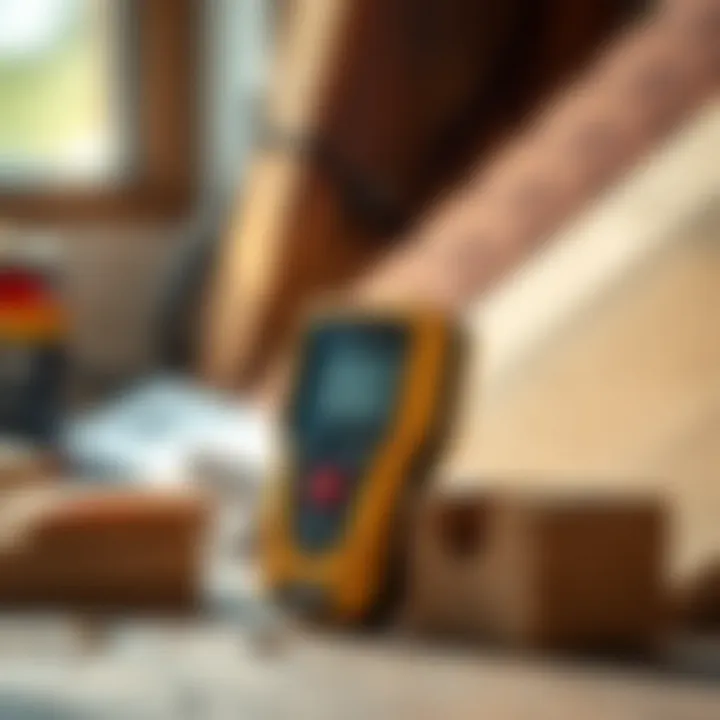
- Protect From Moisture and Temperature Fluctuations: Just as you wouldn’t leave your favorite winter coat out in the rain, your moisture meter should be stored in a dry, temperate place. Excess water or extreme temperatures can damage sensitive components.
- Use a Carrying Case: Investing in a sturdy carrying case can prevent physical damage and keep the meter safe during travels. Cases also play a role in keeping dust and dirt at bay.
- Avoid Prolonged Exposure to Direct Sunlight: Ultraviolet rays can degrade readouts and affect the circuit inside the device. Keeping it in a dark or shaded area when not in use can help avoid such issues.
“Taking the extra time to care for your tools is the mark of a true adept.”
If you keep these practices in mind, your mini moisture meter will not only remain functional but may even outlive your expectations. Regular calibration and thoughtful storage make a world of difference in ensuring your readings remain precise and, ultimately, effective at preventing moisture-related pest issues. For further reading on moisture measurements and their impact, visit Britannica, which offers extensive resources on the science behind moisture control and pest management.
Comparing Mini Moisture Meters with Traditional Methods
Understanding the shift from traditional methods of moisture assessment to using mini moisture meters provides valuable context for homeowners and pest control professionals alike. Traditionally, moisture levels were gauged using techniques that demanded more time, labor, and expertise. This article emphasizes how mini moisture meters can enhance efficiency and accuracy.
Water Damage Assessment
When it comes to evaluating water damage, traditional methods often involved the use of moisture indicators like moisture-prone tape or more invasive techniques. A homeowner may have relied on their sense of touch or sight, sometimes leading to inaccuracies. In contrast, a mini moisture meter provides a rapid and precise reading, allowing one to easily spot problem areas before they escalate into bigger issues.
Mini moisture meters utilitize different technologies such as capacitance or resistance, each having its own strengths. For example, using a pin-type meter, one could effectively gauge moisture levels deep within walls. This allows for targeted interventions and informed decisions about repair or treatment. With a traditional approach, one might inadvertently treat unaffected areas, wasting effort and resources.
Moreover, technology in mini moisture meters has progressed to the point where some models even provide digital readings, thus eliminating guesswork. A visual indicator can guide the user, ensuring that they don't miss critical moisture levels that may facilitate mold growth, which is often overlooked in homes.
"The accuracy of a mini moisture meter can prevent minor dampness from becoming a disaster."
Training and Expertise Requirements
In traditional moisture assessment, one often needed extensive training or experience. Professionals might have taken specialized courses that focused on various environmental factors, including the materials being assessed. This training was not only time-consuming but also required a financial investment that sometimes put this knowledge out of reach for average homeowners.
In stark contrast, mini moisture meters have made moisture assessment much more accessible. Anyone can pick up a moisture meter, turn it on, and get results within seconds. However, for those who want to maximize the utility of their mini moisture meter, a basic understanding of how to interpret the readings is beneficial.
Key Considerations
- Learning Curve: Familiarizing oneself with the meter's functionality is crucial. Users should read the manual to understand calibration processes or interpret digital outputs.
- Application: Learning the best practices for specific materials helps one avoid potential errors.
Future Trends in Moisture Meters
The landscape of moisture measurement is indeed shifting, and understanding its future trends is paramount for homeowners and pest control enthusiasts alike. As we move into an era increasingly governed by technology, mini moisture meters are evolving not just in function but in how they integrate into our daily lives. This section outlines some of the pivotal advancements and integrations that signal where moisture meters are headed.
Technological Advances
Technology is pushing the envelope in terms of what mini moisture meters can do. New features are being developed, from enhanced sensitivity to more accurate readings that can be carried out in less time. Many of today’s meters utilize advanced sensors that can detect moisture levels at a granular level, providing a reliable basis for assessing risks associated with pest infestations and material damage.
Moreover, the rise of smart features in moisture meters is quite notable. The incorporation of real-time data analytics means that many devices can give users insights into moisture trends over time. This not only informs on current situations but forecasts potential issues before they escalate. Some models even allow for setting alerts. That way, if moisture levels cross a predefined threshold, users receive notifications directly to their smartphones.
The incorporation of user-friendly interfaces is a focus too. As more sophisticated functions are introduced, the need for intuitive design becomes critical. This allows homeowners, who may not be tech-savvy, to operate these devices with ease. The ultimate aim is to make moisture detection as stress-free as measuring room temperature.
Integration with Smart Home Devices
In our increasingly connected homes, the link between mini moisture meters and smart home systems is becoming more significant. Imagine a moisture meter that communicates with your home’s climate control system! Such integration can dynamically adjust a home's humidity levels, reducing the chances of pest infestations and mold growth.
Many homeowners are leveraging systems such as Google Home or Amazon Alexa to facilitate a personalized atmosphere. Appliances and devices that integrate with these platforms mean that moisture meters can work in unison with humidifiers or dehumidifiers, triggering actions based on real-time moisture data. This seamless interaction makes for a proactive approach in home maintenance, ensuring environments remain inhospitable for pests.
The added convenience is notable; homeowners can monitor moisture levels from anywhere, using apps that provide comprehensive data at their fingertips. This not only enhances user control but also simplifies maintenance efforts.
The advancements in moisture measurement are not just about making tools more efficient, but also about integrating them seamlessly into the way we manage our homes.
For further reading on home technology and maintenance, you may refer to resources like Wikipedia, or articles in Britannica. They often provide comprehensive overviews and updates on emerging technologies.
Closure
In wrapping up our discussion surrounding mini moisture meters, it becomes clear that understanding their role in both pest control and home maintenance is paramount. These devices are not just gadgets; they serve as essential tools for preventing damage due to excessive moisture, which can be a breeding ground for pests like termites and mold.
Summary of Key Insights
The exploration of mini moisture meters reveals several key insights:
- Detection of Moisture Levels: Mini moisture meters provide precise readings, allowing homeowners to identify problem areas in walls, floors, and other structural components before they escalate into expensive damage.
- Integration in Pest Management: Their relevance cannot be overstated in pest control scenarios. Highly humid areas invite infestations, and utilizing a moisture meter informs treatment strategies that align with maintaining an environment inhospitable to pests.
- User-Friendly Technology: Today's models are increasingly sophisticated yet user-friendly. Homeowners can use them without needing a PhD in science. Simple interfaces and quick-read functions empower anyone to take charge of their home environment.
- Maintenance of Material Integrity: Assessing moisture helps maintain the integrity of wood, paper, and other materials that can succumb to pest infestations when moisture is unchecked.
“An ounce of prevention is worth a pound of cure.” Maintaining your home's moisture levels, supported by the timely readings of a mini moisture meter, showcases this age-old wisdom.
Final Thoughts on Moisture Management
Moisture management is a continuous process, not a one-time task. Homeowners must integrate the use of a mini moisture meter into their regular home maintenance routines. Checking moisture content at intervals can make all the difference in preempting damage and pest proliferation. In addition, homeowners should consider engaging in further education on moisture control practices.
Resources such as US Environmental Protection Agency and University Extension Services offer valuable information on the relationship between moisture management and pest control. Adequately understanding this relationship can lead to significant savings and peace of mind.
In summary, leveraging the capabilities of mini moisture meters combined with proactive management strategies builds a solid foundation for maintaining a pest-free environment. With the right tools and knowledge, protecting one’s home has become a feasible goal for every homeowner.