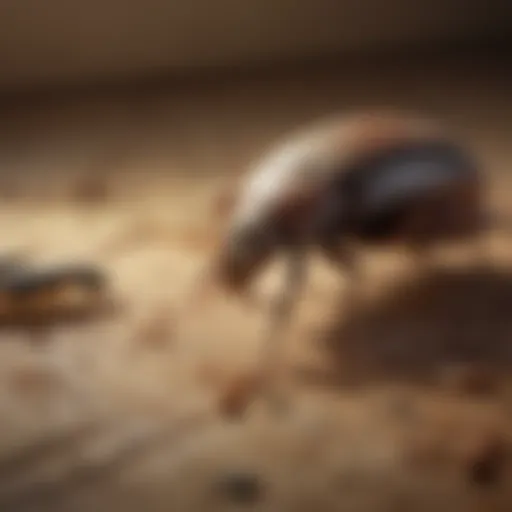
Effective Methods for Handling Fly Infestations


Intro
Fly infestations in homes can be more than just an annoyance; they can also pose health risks and compromise the comfort of your living space. Understanding the importance of addressing these pest problems is the first step toward maintaining a clean and healthy environment. This article provides a detailed guide to recognizing common types of flies, their breeding habits, and various methods to prevent and treat infestations. Whether you’re a housewife looking to keep your family safe or a homeowner aiming to protect your property, this guide offers practical solutions and insights.
Pest Identification
Detailed Descriptions of Common Pests
Flies come in various shapes and sizes, but several species are notorious for invading homes. Among the most common culprits are:
- House flies (Musca domestica): Easily recognizable by their gray color and rapid flying, these pests are often found around trash, food, and animal waste.
- Fruit flies (Drosophila melanogaster): Small and attracted to fermented fruits and vegetables, fruit flies are often seen buzzing around kitchen countertops.
- Drain flies (Psychoda): With their fuzzy appearance, drain flies breed in decaying organic matter found in drains and sink pipes.
Understanding the specific characteristics of these pests enables homeowners to identify solutions tailored to each species.
Signs and Symptoms of Infestations
Detecting a fly infestation early can save you considerable time and resources. Signs you may have unwanted guests include:
- Increased fly activity, particularly near food sources.
- Presence of fly eggs or larvae in hidden spots such as under fridges or inside pantries.
- Unpleasant odors indicating potential breeding sites.
Effective pest management begins with proper identification and understanding the behavior of these insects.
Prevention Strategies
Home Maintenance Tips for Pest Prevention
Prevention is often the best remedy for fly infestations. Here are some practical home maintenance strategies:
- Clean Up Regularly: Frequent cleaning of surfaces where food particles can accumulate reduces breeding chances. Keep garbage cans tightly sealed and dispose of organic waste efficiently.
- Seal Entry Points: Inspect windows and doors for gaps. Use screens and caulking to block potential entry points.
- Manage Moisture: Flies are drawn to damp environments. Fix leaking pipes and ensure proper drainage to eliminate standing water around the home.
Natural Deterrents and Barriers
Utilizing natural remedies aligns with a no-chemical philosophy for many homeowners. Some effective deterrents include:
- Essential Oils: Scents like peppermint, eucalyptus, and lemongrass can repel flies. A homemade spray can be made by mixing these oils with water and spraying around doors and windows.
- Plant Barriers: Planting basil, lavender, and marigold not only adds to the aesthetics of your garden but also keeps flies at bay, as they dislike the smell of these plants.
Treatment Options
Overview of Chemical vs. Natural Treatments
When it comes to treating infestations, homeowners may choose between chemical and natural options. Each has its pros and cons:
- Chemical Treatments: Often more potent and may yield quicker results. Common products include insect sprays containing pyrethrin or neonicotinoids. However, care must be taken to follow the manufacturer’s instructions to ensure safety.
- Natural Treatments: While typically safer for children and pets, natural remedies may require more time to show effectiveness. Solutions like vinegar traps can capture flies without introducing harsh chemicals into the household environment.
Step-by-Step Guides for DIY Treatments
For those inclined to tackle fly infestations with their own hands, consider these straightforward methods:
- Vinegar Trap: Fill a bowl with apple cider vinegar, cover it with plastic wrap, and poke small holes in the top. Flies will be lured in and unable to escape.
- Soap and Water Spray: Mix dish soap with water in a spray bottle and apply directly to flies. The soap clogs the breathing pores of the flies, leading to their demise.
Utilizing these creative pest control measures can empower homeowners to manage and prevent fly infestations efficiently. Embracing these strategies not only enhances your quality of life but also fosters a more hygienic and inviting home.
Understanding the Fly Problem
Understanding the fly problem is crucial in tackling infestations at home. Flies not only disrupt the peace but also pose health risks. They are carriers of various diseases, making it essential to address any signs of their presence swiftly. Ignoring a few buzzing flies can quickly escalate into a significant issue, affecting not only comfort but also hygiene.
By understanding the types of flies typically found in residential areas, homeowners can better prepare and implement effective control strategies tailored to specific situations. Categories like houseflies, fruit flies, drain flies, and cluster flies each have distinct characteristics and behaviors. Knowing these differences provides a clearer insight into their lifecycle and breeding habits, which ultimately aids in effective prevention and control.
In addition to the immediate annoyance they cause, flies can lead to potential food contamination. This is especially concerning for families with young children or those on strict diets. The potential health implications make it clear that understanding the nature of fly issues is not merely about comfort, but rather, it's about safeguarding well-being.
"A stitch in time saves nine." Being proactive in dealing with fly infestations can save vast amounts of time, effort, and money down the road.
Types of Flies Commonly Found in Homes
Houseflies
Houseflies are perhaps the most ubiquitous among flies found in urban environments. Relaxed around filth, they are drawn to various food sources but tend to congregate around trash, decaying matter, and organic waste. What makes houseflies notably bothersome is their rapid reproduction rate; a single female can lay hundreds of eggs in her short life.
In this article, houseflies serve as a central example of the fly problem due to their prevalence and potential health risks. A typical housefly can carry pathogens that spread diseases such as gastroenteritis, which can severely impact larger households. Being able to identify and control these flies is an integral part of any fly management strategy.
Fruit flies
Fruit flies are small, distinguished by their rapid lateral movement and attraction to fermenting fruits. They breed quickly when ripe fruits or vegetables are available, making them a common kitchen pest. Their ability to reproduce rapidly means that a seemingly minor infestation can spiral into a major annoyance almost overnight.
In the context of this article, fruit flies highlight the need for vigilance regarding kitchen cleanliness. Their presence serves as a reminder to regularly check produce and ensure that food waste is disposed of correctly. Knowing their behavior can aid in acting promptly at the first sighting.
Drain flies
Drain flies, often overlooked, thrive in damp, unclean conditions, typically residing in drains and sewage systems. They are characterized by fuzzy bodies and quiet flight, leading to many unknowingly living with these pests until they become a noticeable annoyance.
Identifying drain flies in one's home is essential for a comprehensive approach to pest management. While they are primarily a nuisance, they also indicate sanitation problems that may need addressing. Alarmingly, drain flies breed in slime formed in drain systems, emphasizing the importance of thorough cleaning and monitoring plumbing systems regularly to prevent infestations.
Cluster flies
Cluster flies differ from others in that they prefer to enter homes during autumn and hibernate. They're often recognized by their slow movements and tendency to congregate by windows. Unlike houseflies, they do not reproduce inside homes, making their presence more of a seasonal nuisance.
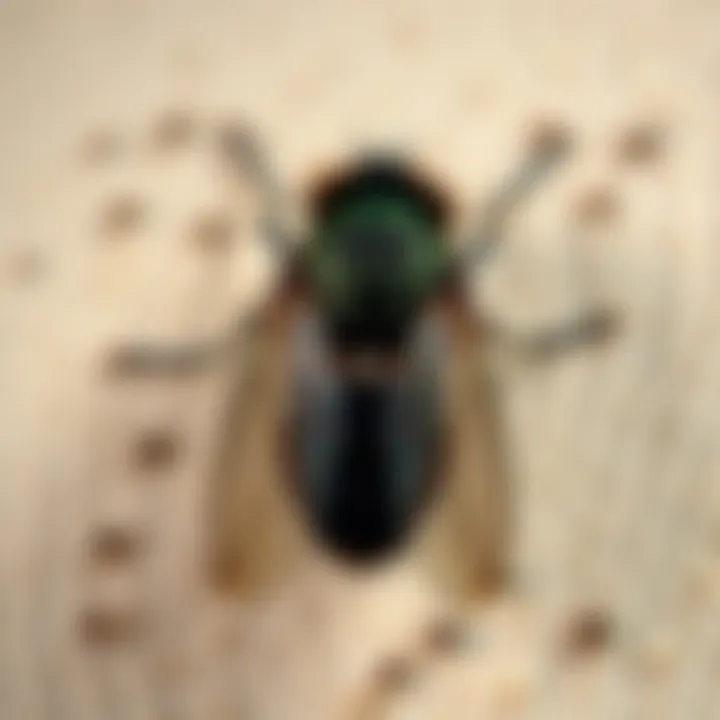
Cluster flies bring attention to seasonal fly issues, creating a push for preventive measures as seasons change. Learning how to seal entry points and manage warming temperatures effectively aids in a proactive approach to this particular infestation method.
Lifecycle of Flies
Egg stage
Understanding the egg stage is vital in fly control, as identifying where flies lay their eggs can help in customizing management strategies. Flies generally reproduce in moist environments where organic material is present. For example, houseflies might lay eggs in garbage or compost areas.
Highlighting this stage informs the need for regular checks in areas where waste can accumulate. Notably, since eggs can hatch swiftly, timely detection is paramount for effective control.
Larval stage
The larval stage, often visible as maggots in decaying organic matter, is where flies grow and develop. This stage is crucial to address because the larvae may quickly lead to larger populations if left unchecked.
It's during this stage that sanitation becomes critically important. Keeping areas clean and free from waste can interrupt their life cycle effectively. Homeowners should be aware that this part of the lifecycle signifies immediate action is required.
Pupal stage
During the pupal stage, flies undergo transformation into adults, which typically takes several days. However, conditions can alter the duration of this stage. Flies developing in warmer environments may transition faster.
Recognizing the signs of this stage can help prepare for upcoming adult flies, making it an important consideration in implementing preventive measures. Observing changes in certain areas can reveal infestations on the verge of arising.
Adult stage
The adult stage is what most homeowners contend with regularly. Recognizable by their distinctive features, adult flies can reproduce rapidly, perpetuating the cycle unless controlled effectively. The key characteristic of adult flies is their ability to travel and spread diseases; they are often the last sign of an underlying infestation problem.
Understanding adult behavior helps in determining adequate control measures and identifying when interventions are needed. Homes must be vigilant and monitor possible entry points, sealing off areas to reduce susceptibility to future infestations.
Assessment of the Infestation
To tackle a fly issue effectively, one must first assess the extent and sources of the infestation. Without understanding the individual elements involved, such as where the flies are coming from and the severity of the problem, any attempts at resolution might resemble throwing darts in the dark—hardly effective. This step serves as the bedrock for any ensuing strategy, ensuring that resources are allocated wisely and efforts are not wasted.
Identifying the Source of Infestation
Potential breeding sites
Identifying potential breeding sites is crucial. Flies lay their eggs in areas conducive to their young's survival. Common spots include garbage bins, compost heaps, and even damp areas around sinks. The unique aspect of these spots is their accessibility and the environmental factors, like moisture, they offer. This makes them a prime target for flies. Homeowners often overlook these breeding areas, assuming flies just appear from nowhere, which isn’t the case. By recognizing these sites, proactive steps can be taken to eliminate them, which is one of the key strategies for moldng a pest-free home.
Sanitary conditions
Sanitary conditions play a vital role in fly management. A meticulously clean environment can significantly deter fly activity. The main characteristic here is maintenance; regular cleaning reduces potential fly havens. When surfaces are kept clean and free of food particles, flies have fewer opportunities to thrive. Unfortunately, many people adopt a "out of sight, out of mind" attitude, often neglecting unseen dirt. By prioritizing sanitation, one drastically decreases fly attraction, making it a pivotal strategy in the overall goal of reduction.
Food residue and waste
Food residue and waste present another appealing factor for flies. They're drawn to decaying organic material, making kitchens and dining areas particularly vulnerable. The attractive nature of leftovers may seem minor, but even a few crumbs can invite an endless supply of unwanted guests. It's fascinating how something as simple as a forgotten slice of fruit on the counter can lead to a significant problem. Moreover, flies can breed quickly in such waste. This element emphasizes that regular cleaning of kitchen surfaces and proper disposal of organic waste plays a vital role in mitigating infestations.
Determining Severity of the Problem
Visual inspection methods
Visual inspection methods allow for a direct assessment of the fly situation. Homeowners can identify fly numbers, their resting spots, and potential breeding areas through systematic checking. This method stands out for its simplicity; one does not need fancy tools or equipment. However, relying solely on visual cues can be misleading if the infestation is secretive. It’s wise to combine this approach with other assessment methods to get a complete picture of what one is dealing with.
Fly populations and their behavior
Understanding fly populations and their behavior offers more insight into the issue at hand. Flies tend to zero in on specific behaviors; for example, houseflies are known to favor food sources while fruit flies gravitate towards fermenting materials. Recognizing these behaviors makes the identification of infestations clear-cut, as it ties the kind of fly observed to its appropriate source. However, get too comfortable analyzing one aspect, and one might miss the bigger infestation picture.
Monitoring traps
Using monitoring traps is a proactive measure in determining the severity of chirping issues. These traps lure flies, allowing one to gauge the population level. The unique attribute of traps is their ability to pinpoint areas of high activity—essential data that informs where to focus efforts. Yet, there's a catch—high trap numbers can indicate severe infestations, and relying solely on traps could lead to ignoring the root causes existing within the environment.
Preventive Measures to Keep Flies at Bay
When it comes to dealing with fly infestations, prevention is far better than cure. Taking proactive steps can significantly reduce the likelihood of flies becoming a problem. This not only saves homeowners the hassle and expense of dealing with infestations later on but also creates a more pleasant living environment. In this section, we’ll explore key preventive measures that can help keep flies at bay effectively.
Sanitation Practices
Maintaining cleanliness
Maintaining cleanliness is at the heart of fly prevention. A clean home is less appealing to flies, who are naturally drawn to filth and decay. Regularly sweeping, mopping and wiping down surfaces can eliminate potential food particles and breeding sites for flies. The essential characteristic of cleanliness here is pretty simple but effective: a tidy environment directly discourages fly activity. This practice stands out as a very beneficial choice because it not only improves the home atmosphere, but also contributes to overall health.
However, keeping a clean home does require consistent effort. It’s easy to overlook corners or forget about certain areas like under the fridge or behind furniture. To successfully maintain cleanliness, consider establishing a routine cleaning schedule.
Proper waste disposal
Proper waste disposal is another critical element in fly prevention strategies. Trash bins should be tightly sealed, preventing smells that attract flies and other pests. Regularly disposing of garbage, especially food scraps, reduces the opportunities for flies to breed within the home. The key characteristic of effective waste disposal is its ability to cut off a major food source for flies. This approach is popular because it’s straightforward and can be done daily without much fuss.
A unique aspect of proper waste disposal is the importance of containers that are not just sealed but are also clean. Rinsing out garbage bins regularly can reduce odors that invite unwanted guests. An example of how this can backfire is if a bin collects food residue over time, flies will find their way in, causing an infestation that can be time-consuming to tackle.
Food storage techniques
Preventing flies from getting access to food is essential. Food storage techniques play a vital role in this process. Ensuring leftovers are promptly stored in airtight containers and that perishable items are refrigerated can drastically reduce attractants for flies. The key characteristic of good food storage is ease of access for the homeowner and prevention of accessibility for pests.
This is a beneficial choice for the article as it highlights practical methods that can be integrated into daily routines. A unique feature of effective food storage techniques is their dual advantage: they preserve food quality while also keeping flies away, which can save money over time. Keep in mind that poorly stored food can lead to much more than just a fly infestation.
Physical Barriers and Deterrents
Window screens

Window screens form another line of defense against fly entry, allowing fresh air to circulate while keeping pests on the outside looking in. The key characteristic of window screens is their accessibility; they are often easy to install and maintain. Their effectiveness in preventing flies and other bugs from entering the home makes them a popular solution for many households.
However, screens can sometimes suffer from wear and damage. Holes or tears can render them useless. Homeowners should regularly inspect and repair screens to ensure they are functioning properly.
Fly traps
Using fly traps can be an excellent tactical approach to managing fly populations. These traps come in various forms—some use pheromones to lure in flies, while others might use light. The main characteristic that makes traps beneficial is their ability to actively catch flies rather than simply deter them.
A unique feature of traps is that they can be placed strategically around problem areas, giving homeowners the advantage of targeting hotspots of fly activity. Yet, it’s important to consider their limitations; traps can get full and require regular maintenance to continue being effective.
Use of natural repellents
Natural repellents like essential oils can provide a friendly solution to repel flies without relying on harsh chemicals. Ingredients like peppermint or lavender oil are found to have a scent that flies tend to avoid. The main characteristic of using natural repellents is their non-toxic nature, making them attractive for households with children or pets.
The unique feature here is that these natural solutions often also serve other purposes, such as enhancing a pleasant aroma in the home. Nevertheless, it’s important to note that while they can be effective in reducing fly presence, they might not completely eliminate the infestation.
This wide array of preventive measures equips homeowners with both immediate and long-term strategies for combating fly infestations. A combination of cleanliness, proper disposal, effective food storage, physical barriers, traps, and natural repellents creates a comprehensive defense against the unwelcome buzz of flies.
Natural Remedies for Fly Control
Natural remedies for fly control are becoming increasingly relevant for homeowners seeking eco-friendly and non-toxic solutions to pesky fly infestations. In a world where chemicals often dominate pest management, many residents are opting for methods that are not only effective but also less harmful to their families and pets. This section explores various natural solutions, particularly focusing on essential oils and homemade repellents, highlighting their efficacy and ease of use.
Essential Oils and Their Efficacy
Essential oils have gained recognition for their aromatic qualities, but their insect-repelling properties make them a viable option against flies, too. These oils not only help in creating a pleasant ambiance at home but also keep those annoying insects at bay. Let's delve into some of the most popular options:
Peppermint oil
Peppermint oil stands out due to its strong and refreshing scent. Flies are particularly sensitive to peppermint, making it a good choice for repelling them effectively. The key characteristic of peppermint oil is its ability to mask scents that attract flies, disrupting their instinct to invade your space. Homeowners often resort to peppermint oil because it’s a natural solution that comes with the bonus of refreshing your living environment.
A unique feature of peppermint oil is its versatility; it can be used in many forms, such as diffused into the air or mixed with water for a spray. However, it’s important to note that while peppermint oil is generally safe, concentrated amounts should be used with caution, especially around pets.
Tea tree oil
Tea tree oil is another potent natural insect repellent, valued for its antiseptic properties. When applied, it can not only deter flies but also cleanse your home environment. With a key characteristic of being a broad-spectrum antimicrobial, tea tree oil adds an extra layer of benefit by purifying the air.
What’s appealing about tea tree oil is its unique feature that goes beyond repelling flies; it also helps in sanitizing and deodorizing areas prone to flies. However, the oil has a strong scent, which may not suit everyone's olfactory preferences, making it a good idea to test it in smaller areas before widespread application.
Lavender oil
Lavender oil is often linked to a calming aroma, but it serves a double purpose when it comes to fly control. Its key characteristic is its sweet fragrance, which is highly repulsive to flies while being pleasant for humans. Lavender is typically utilized in mixed sprays or sachets, making it accessible to various households.
A unique feature of lavender oil is its safety; it’s generally safe for use around children and pets. Furthermore, being an essential oil with antibacterial properties, it offers the added benefit of acting as a natural sanitizer. However, effectiveness may vary with individual sensitivity to particular scents.
Homemade Fly Repellents
Homemade fly repellents serve as an economical and accessible alternative to commercial products. These solutions are typically easy to make with everyday ingredients, offering versatility and control over the components used. Below are several commonly used homemade repellents:
Vinegar solutions
Vinegar solutions are renowned for their efficacy against a variety of pests, including flies. The key characteristic of vinegar is its acidic nature, which disrupts the attractants that often draw flies to your home. Using vinegar as a fly repellent is particularly advantageous as it is inexpensive and readily available.
A unique feature of vinegar solutions is their dual functionality; they can serve as both a repellent and a disinfectant. As a downside, the sharp smell of vinegar may not be pleasant for everyone, but it tends to dissipate quickly, leaving little in its wake.
Soap and water sprays
Soap and water sprays are one of the simplest and most effective homemade repellents. The key characteristic of this solution is that it creates a barrier that can suffocate flies upon contact. A few drops of dish soap mixed with water can yield an effective fly spray that is also gentle on surfaces.
An advantage of soap and water sprays is their ease of use; simply mix the two ingredients in a spray bottle, and you’re good to go. However, it may require multiple applications, as the effects are temporary.
Herbal sachets
Herbal sachets can be crafted from an assortment of dried herbs known for their pest-repelling qualities. The key characteristic here lies in the use of aromatic plants like mint, rosemary, and eucalyptus, which are all natural deterrents for flies. These sachets can be placed in various locations around the home for a constant, gentle repellent effect.
The unique feature of herbal sachets is their decorative nature; they can add a touch of nature to your home while serving their purpose effectively. While they are generally low-maintenance solutions, their effectiveness may diminish over time, necessitating occasional replenishment.
Chemical Control Options
When dealing with a fly infestation, chemical control options often become a necessary part of the toolkit. This section discusses how various chemicals can effectively target fly populations while ensuring that homeowners can maintain a safe living environment. Effectiveness and safety are key when considering these options.
Insecticides and Their Application
Types of insecticides
Insecticides stand at the forefront of chemical control, presenting a variety of options tailored for specific uses. Pyrethroids, which mimic natural defenses in plants, are widely used due to their rapid action and relatively low toxicity to humans and pets. They work by attacking the insect's nervous system.
Another commonly used class is organophosphates, known for their broad-spectrum effectiveness but requiring caution due to higher toxicity. This class, though effective, can pose risks if not handled properly, making it vital for homeowners to familiarize themselves with proper dosages and usage.
In summary, the key characteristic of these insecticides is their ability to eliminate flies quickly. This quality makes them a popular choice for addressing immediate infestations. However, users must weigh the advantages of effectiveness against disadvantages like potential toxicity and environmental impact.
Application methods
Application methods play a crucial role in the effectiveness of insecticides. The two most common methods are spraying and fogging. Spraying involves applying insecticides directly to infested areas, while fogging disperses a mist of the chemical in a larger area, effectively targeting multiple breeding grounds at once.
Choosing the right method is essential because spraying allows for precise targeting, which can be beneficial in homes with children or pets, while fogging covers a broader area more quickly. Some homeowners may opt for ready-to-use sprays due to their ease of use, while others choose concentrated forms for larger spaces. However, it’s imperative to follow instructions to avoid over-application which could be harmful.


Safety precautions
Safety precautions are paramount when using chemical control methods. First, wearing protective gear, including gloves and masks, protects users from inhalation or skin contact. Additionally, following the manufacturer’s instructions meticulously ensures correct application rates and safety measures, thereby reducing unnecessary exposure to chemicals.
A major consideration is the timing of application, particularly choosing to treat spaces when children and pets are not present. Ventilation is another critical aspect; ensuring windows are open or fans are running helps disperse any lingering chemical odors. Adopting these safety measures enables effective pest control while safeguarding family health.
Baits and Traps
Beyond insecticides, baits and traps offer alternative methods for managing fly populations within the home, emphasizing localized action and minimal chemical use.
Commercial bait stations
Commercial bait stations offer a targeted approach to fly management, employing a mixture of attractants that entice flies into a trap. These stations are especially effective for persistent infestations, as they create safe zones where flies can become entrapped without exposing the entire living space to chemicals. The inherent convenience of pre-formulated baits appeals to many homeowners seeking a hands-off approach.
One unique feature is their low environmental footprint; many companies manufacture biodegradable bait stations which decompose naturally. However, some homeowners express concern regarding the effectiveness in areas where food is not readily available. Ensuring these stations are placed strategically increases their effectiveness.
DIY bait solutions
DIY bait solutions empower homeowners to take control of their fly infestation through cost-effective means. Common recipes include using apple cider vinegar mixed with dish soap to create an enticing trap. This method attracts flies and traps them without harmful consequences to nearby family members or pets.
The beauty of DIY solutions lies in their simplicity and the natural ingredients often used. However, their effectiveness can vary, and they may not catch all types of flies. Therefore, while they can reduce the fly population, they are best used in conjunction with other strategies for comprehensive management.
Effectiveness of traps
The effectiveness of traps, whether commercial or DIY, is evident in the significant reduction they can bring to fly populations when used correctly. Traps can intercept flies before they have a chance to breed, making them a preventive measure as well as a solution. The key characteristic of traps is their passive nature—they do not require constant monitoring once set.
While traps function well in some situations, their limitations should be acknowledged; they may not capture flies exhibiting varied feeding habits. Regularly checking and replacing traps is necessary to maintain their efficacy. Overall, the use of traps promotes a sustainable approach to pest control that can be both time-effective and environmentally friendly.
"Deploying a combination of bait solutions and traps can complement chemical methods, addressing various aspects of fly infestations effectively."
Long-Term Solutions to Fly Management
Addressing fly infestations is often viewed through a short-term lens; however, this is a narrow perspective that can lead to recurring problems. A durable management plan is essential not just for immediate relief but for future prevention. This section highlights the significance of implementing long-term solutions in changing not only the existing conditions that support fly infestations but fostering a mindset geared toward ongoing maintenance. The benefits of such an approach include reduced reliance on chemical solutions, cost efficiency over time, and healthier living conditions.
Landscape Management
Removing breeding habitats
One of the most effective ways to tackle fly infestations is by removing breeding habitats. Flies thrive in decaying organic material, so it’s paramount to clean up areas where things can rot or fester. This might include piles of leaves, compost bins, or even pet waste in a yard. By keeping these areas tidy, we can limit attractive sites for flies, hence cutting down their population.
Removing breeding habitats is a proactive choice. It not only minimizes the presence of flies but also contributes to overall environmental cleanliness. A prime unique feature of this approach is the requirement of regular upkeep; if people let areas go unkempt, they invite flies back in. Of course, the downside to this method may be the initial effort involved in transforming a messy yard into something more manageable, but the long-term payoff is significant.
Planning garden layouts
Another critical aspect of long-term fly management is planning garden layouts mindfully. When selecting plants, consider their impact on pest populations. For instance, grouping certain plants can create a natural repellent effect. Certain flowers and herbs are known to deter flies; for instance, marigolds can keep them at bay.
Intelligently designed layouts not only beautify a home but serve as protective barriers against pests. A well-structured garden shows forethought and offers a dual benefit; enhancing the home’s aesthetic appeal while simultaneously reducing unwanted visitors. A notable characteristic of this strategy is its sustainability—once established, a garden designed with pest deterrents can continue to be effective with less maintenance.
Using plants that deter flies
The strategic use of plants that repel flies is an excellent part of the fly management puzzle. Plants like basil, lavender, and mint are known for their ability to repel common fly species, effectively reducing the number of these pests in the vicinity. Growing these plants not only serves an aesthetic purpose but also adds a certain charm and fragrance to the living environment.
The unique feature of this method lies in its dual role; these plants not only deter flies but can also be utilized in cooking or as essential oils, enhancing homes in multiple ways. Though one may need to research suitable plants for specific climates or environments, the overall benefits far outweigh the minor initial inconvenience of selecting and planting.
Regular Monitoring and Maintenance
Establishing a long-term plan involves regular monitoring and maintenance. Such measures ensure that conditions remain unfavorable for flies and any new infestations can be quickly addressed. Staying one step ahead is crucial for a fly-free residence.
Establishing inspection schedules
Setting a regular inspection schedule can be a game-changer in managing fly populations. The frequency of checks, whether monthly or seasonally, allows for the early detection of any potential issues before they escalate. This proactive approach is a solid choice for maintaining a pest-free environment.
A key feature of this routine is predictability; when regular inspections are established, it becomes easier to spot irregular changes and adjust strategies accordingly. The downside might be the time commitment necessary, yet the ongoing peace of mind you gain is well worth it.
Adjusting strategies as necessary
Flexibility is crucial in effective fly management. Sometimes, despite best efforts, the unexpected happens. It’s important to know when to pivot and adjust your approach to combat the issue. If certain methods aren’t producing the desired outcomes, reassessing and adapting is an integral part of a long-term strategy.
Highlighting adaptability ensures continuous improvement in a management plan. The distinctive characteristic of this approach is its fluidity which can require some trial and error. Still, the overall outcome—a lasting, pest-free home—is the ultimate goal.
Documenting findings and adjustments
Lastly, keeping track of findings and strategies is indispensable for long-term fly management. Documenting what works and what doesn’t not only informs future efforts but also streamlines the entire process. Whether it’s a simple notebook or a dedicated app, having everything in one place makes adjustments more straightforward.
Notably, this systematic documentation fosters a higher level of engagement. Homeowners familiar with their past experiences often find themselves better equipped to handle future infestations. However, one potential drawback could be the initial effort needed to maintain meticulous records.
Finale
Understanding how to effectively combat fly infestations holds critical importance for homeowners. It is not merely about ridding one’s living space of these nuisances; it is about reclaiming comfort and fostering a healthy environment for family and guests alike. Flies can be more than just an annoyance; they are carriers of diseases and unsanitary conditions. By implementing comprehensive strategies discussed throughout this article, one can make significant strides toward maintaining a fly-free home.
Summary of Essential Strategies
A summary of the strategies discussed can be invaluable in wrapping your head around the essential points. Here’s a quick rundown:
- Identification: Pinpointing the specific type of fly is crucial. Houseflies, fruit flies, and drain flies all have unique habits and breeding sites.
- Assessment: Conduct a thorough inspection to determine the scale of the problem and identify all potential breeding grounds.
- Prevention: Maintaining high sanitary standards and employing physical barriers can greatly reduce the risk of an infestation.
- Natural Remedies: Utilizing essential oils and homemade solutions offers eco-friendly alternatives to harsh chemicals.
- Chemical Control: Understanding and applying insecticides safely can provide an additional layer of defense when necessary.
- Long-Term Management: Regular monitoring, landscape management, and adaptive strategies will ensure any resurgence of flies is kept in check.
Encouragement for Proactive Measures
It’s all too easy to let house maintenance slip into the background. However, by taking proactive measures, you not only prevent the likelihood of fly infestations but also create an inviting atmosphere at home. Simple actions can make a world of difference:
- Make a habit of cleaning food spills promptly and ensuring crumbs are swept away.
- Install window screens or keep doors closed to block entry points.
- Regularly check and clean hidden corners and drains where flies may breed.
- Consider natural repellents as options that safeguard both your home and your health.
Taking these steps encourages a mindset of vigilance and preparedness. Understanding the nature of flies, their behavior, and creating preventive strategies will provide a sustainable solution for maintaining a fly-free living space long into the future. With diligence and proper techniques, homeowners can keep these pests at bay, ensuring a comfortable and sanitary living environment.