Effective Pest Strips for Bed Bug Control: A Comprehensive Guide


Intro
The persistent problem of bed bugs has been a bane for many homeowners, leading to sleepless nights and a host of other worries. These relentless pests can turn a once cozy room into a site of sheer distress. Understanding the importance of pest control is vital for maintaining a comfortable living environment, and that’s where solutions like pest strips come into play.
In the following sections, we will delve into the intricacies surrounding bed bug infestations, identifying these pests, prevention strategies, and various treatment options, focusing particularly on pest strips. By exploring these areas thoroughly, this article intends to offer practical advice that can empower housewives and homeowners alike to tackle the issue head-on.
Pest Identification
Detailed Descriptions of Common Pests
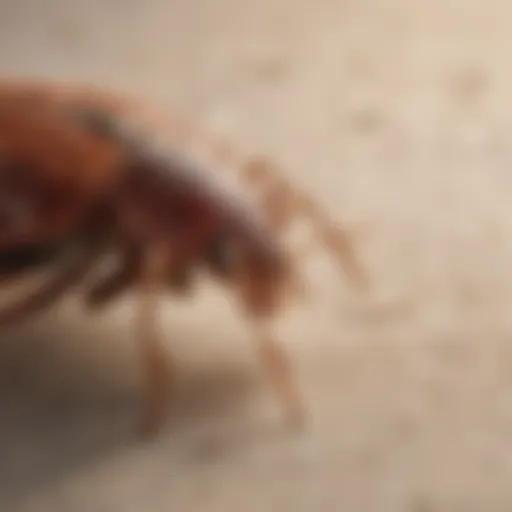
Bed bugs, scientifically known as Cimex lectularius, are small, flat, reddish-brown insects. They typically measure about 1/4 inch in length. While they don’t fly, they can scuttle quickly across floors, walls, and ceilings. Their bodies are oval, and after feeding, they may swell and become a reddish color, making them easier to spot.
In addition to bed bugs, it's important to recognize that other pests might also invade homes. Common household pests include cockroaches, ants, and fleas. While they may not share the same habits as bed bugs, understanding their behavior can help in comprehensive pest management.
Signs and Symptoms of Infestations
Recognizing the signs of a bed bug infestation is the first step towards effective control. Here are several indicators:
- Bites on the skin: Often appear as red, itchy spots in clusters or a line.
- Blood stains: Small, rust-colored spots on sheets or mattress covers from crushed bugs.
- Fecal spots: Tiny black dots on bedding or nearby surfaces.
- Shell casings: As bed bugs mature, they shed their skin, leaving behind these casings.
If you notice these signs, it's crucial to act promptly to limit the infestation.
Prevention Strategies
Home Maintenance Tips for Pest Prevention
Preventing bed bugs from entering your home is far better than dealing with an infestation. Here’s how:
- Seal Cracks and Crevices: Inspect and seal any gaps in walls, around windows, and doors to deter entry.
- Regular Cleaning: Vacuuming regularly can help eliminate eggs, shells, and any potential hiding spots.
- Careful Second-Hand Purchases: Always check second-hand furniture or clothes for signs of pests before bringing them into your home.
Natural Deterrents and Barriers
Some natural solutions can help keep these pests at bay. Consider:
- Diatomaceous Earth: This powder can be sprinkled in areas prone to infestations as it dries out the exoskeletons of bugs upon contact,
- Essential Oils: Scents like peppermint or lavender can deter bed bugs. Use these oils in a spray to cover potential entry points.
Treatment Options
Overview of Chemical vs. Natural Treatments
When bed bugs strike, you have a choice between chemical and natural treatments.
- Chemical Treatments: These often include professional fumigation or pesticide sprays, such as those containing pyrethroids. They are potent but come with safety concerns for pets and children.
- Natural Treatments: Products containing essential oils or plant-based extracts may reduce bug populations with fewer health risks. However, their effectiveness might vary.
Step-by-Step Guides for DIY Treatments
If you're inclined to take a hands-on approach, consider these methods:
- Vacuum Thoroughly: Start by vacuuming your entire home, especially seams of mattresses and upholstery.
- Wash and Dry: Remove bedding and garments that may have been infested. Wash at high temperatures and dry effectively.
- Apply Diatomaceous Earth: Lightly dust affected areas with diatomaceous earth, leaving it for a few days before vacuuming.
"Prevention is better than cure" – and it holds particularly true for bed bugs. Keeping your home secured could save you time, money, and countless headaches in the long run.
In summary, this guide seeks to shed light on bed bugs and pest strips, ensuring you feel well-equipped in your fight against these uninvited guests. By understanding these aspects, you can take control of your home and perhaps rest a little easier knowing you're being proactive.
Understanding Bed Bugs
Understanding the biology and behavior of bed bugs is a vital first step in tackling infestations. Knowledge is power, and grasping how these pests operate can significantly inform the choice of pest management strategies, particularly the use of pest strips. This section explains key elements that contribute to knowing both the enemy and the battleground.
Biology and Behavior
Bed bugs, scientifically known as Cimex lectularius, are small, nocturnal insects that thrive on the blood of humans and animals. Their adult form measures about 4 to 5 millimeters in length and has an oval and flattened shape. An interesting fact about them is their ability to survive for months without feeding. This resilience allows them to persist in environments even when food sources are scarce.
In terms of reproduction, a single female can lay up to 500 eggs in her lifetime, contributing to rapid population growth if not managed. The young nymphs, which are often barely visible to the naked eye, require blood meals for their development. This makes it crucial to identify breeding habitats and nesting sites to curb their spread effectively.
Bed bugs are often mistaken for other pests due to their size and color. Their behavior largely revolves around seeking out their next meal, which primarily occurs at night.
- They tend to hide in cracks, crevices, mattresses, and furniture, coming out to feed during dusk and dawn.
- While they don't transmit diseases, their bites can cause significant discomfort, often manifesting as fiery red welts or itchy rashes.


Recognizing these characteristics plays a crucial role in developing effective pest control strategies, such as the deployment of pest strips, which specifically target their biology and behavior.
Signs of Infestation
Detecting bed bugs early can mean the difference between a minor nuisance and a full-blown infestation. Knowing the signs is paramount. Here are some indicators to watch for:
- Bite Marks: You may discover small, red, itchy welts on your skin, often forming clusters. Check for bites in a line or zigzag pattern, which is typical of bed bug feeding.
- Blood Stains: After feeding, bed bugs may leave small bloodstains on your sheets or pillowcases. These can be faint, so thorough inspection is essential.
- Fecal Matter: Dark spots on bedding, furniture, or walls are telltale signs of bed bug droppings. The spots are often dark red or brown, similar to ink.
- Egg Casings: When young bed bugs hatch, they leave behind tiny, empty egg shells. These are often found in or around their hiding spots.
Understanding these signs can help homeowners identify a bed bug issue before it escalates. Early detection is key to an efficient control strategy.
By familiarizing oneself with these behaviors and signs, individuals can not only diagnose problems sooner but also act faster to mitigate infestation severity. This foundational knowledge is essential as we explore the solutions available for managing these persistent pests, particularly pest strips designed specifically for bed bugs.
Preface to Pest Strips
Pest strips have emerged as an essential element in the battle against unwelcome critters, particularly bed bugs. These persistent pests, known for their resilience and ability to thrive in various environments, have caused countless sleepless nights and discomfort for homeowners. The significance of understanding pest strips lies in their potential to mitigate these issues effectively. In this article, we delve into the various aspects of pest strips that not only help in managing bed bug infestations but also offer a deeper comprehension of how they work, the types available, and the precautions necessary for safe usage.
What Are Pest Strips?
Pest strips are specialized devices designed to attract and kill insects, including bed bugs. Typically, they are thin strips or panels infused with active ingredients that emit vapors or residues which are toxic to pests but relatively safe for humans when used as directed. One of their main attractions is their ease of use. Homeowners can simply place them in strategic locations like bedrooms, under mattresses, or in closets, where bed bugs are likely to travel or hide.
The following points highlight the characteristics of pest strips:
- Insecticides: They often contain insecticides that target specific pests. Commonly, ingredients like dichlorvos or hydramethylnon are employed.
- Continuous Release: These strips release their active ingredients steadily over time, providing long-term protection against bed bugs.
- Non-Mechanical: They do not require complicated setups or maintenance, making them a convenient choice for busy households.
Despite their advantages, a correct understanding of how pest strips fit into an integrated pest management plan is crucial. They should not be viewed as a standalone solution but rather as part of a broader strategy for effective pest control.
Types of Pest Strips for Bed Bugs
When it comes to pest control, not all strips are created equal. Several types of pest strips are available, each catering to different needs and scenarios. Below are some common varieties:
- Chemical Strips: These are most common and contain insecticides to eliminate pests. They work by emitting vapors that bed bugs inhale, leading to their demise. Products like the Hot Shot Bed Bug & Flea Killer are well-known examples.
- Glucose Baits: These strips utilize a more natural approach by attracting bed bugs using glucose as bait. Once the insects make contact, they are killed by combined health hazards associated with the bait compounds.
- Pheromone Traps: This type of pest strip uses synthetic pheromones to lure bed bugs in. While they kill fewer immediately, these traps are fantastic for monitoring bed bug activity due to their attraction capabilities.
Selecting the right type of pest strip requires consideration of the specific circumstances faced by the user. Factors such as existing infestation levels, the size of the area to be treated, and individual safety concerns all play a role in this decision.
"Choosing the right pest strip can be as crucial as identifying the pest itself."
Understanding the tasks of these diverse types ensures homeowners can combat their bed bug issues effectively. As we move on to the mechanisms behind these pest strips, it will become clear how their chemical makeup translates to effective bed bug eradication.
Mechanism of Action
Understanding the mechanism of action behind pest strips is crucial for effectively tackling bed bug issues. These strips use specific chemicals and active ingredients that target bed bugs at various life stages. The effectiveness of these strips relies heavily on their proper use and understanding their functionality.
Chemical Composition
Pest strips are crafted from a blend of chemicals designed to attract and ultimately eliminate bed bugs. Most of these compositions include insect growth regulators (IGRs), pyrethroid compounds, and sometimes essential oils that disrupt the normal biological processes in bed bugs. For instance, pyrethroids, commonly used for their high efficacy against a range of insects, affect the nervous system of these pests, leading to paralysis and death.
It’s essential to know what goes inside these strips, as the chemical makeup can inform users about potential safety risks and effectiveness. Ingredients such as bifenthrin and imidacloprid—ingredients often found in pest strips—market their capability to deal with resistant bed bug populations.
How They Affect Bed Bugs
The interaction between bed bugs and pest strips is often a silent battle. As bed bugs come into contact with the strips, they encounter a range of chemicals that instigate various physiological and neurological changes. The introduction of these agents can result in several outcomes:
- Mortality: Immediate contact can be lethal to bed bugs, especially adults, which are more susceptible than their eggs.
- Disruption of Life Cycle: Chemicals may impede the growth and reproduction of nymphs by affecting hormonal changes. This way, even if some bed bugs survive initial exposure, the future generation may be drastically reduced.
- Repellency: In some cases, the scent or residue from pest strips may deter bed bugs from residing nearby, creating a no-go zone for these unwanted guests.
Using pest strips requires patience, as it is not a magic bullet. Users should observe how these chemicals work over time, ensuring they complement other pest management strategies. Monitoring the effectiveness of pest strips can be the key to long-term solutions in controlling bed bug infestations.
"Understanding the underlying mechanisms of pest strips not only empowers homeowners but also enhances their ability to implement effective pest management solutions."
By recognizing both the chemistry and the biological impact on bed bugs, one can better utilize pest strips as part of a comprehensive pest management strategy. This knowledge brings a sense of control and reassurance when dealing with such a persistent household nuisance.
Effectiveness of Pest Strips
When dealing with bed bug infestations, the efficacy of pest strips can’t be overlooked. Homeowners often seek solutions that not only eliminate these resilient pests but also do so with minimal hassle. Pest strips, specifically designed to target bed bugs, can be a game changer in integrated pest management. Their effectiveness is measured not merely in the immediate eradication of bugs, but in how well they fit into a broader strategy for maintaining a pest-free environment.
Comparative Efficacy
Pest strips are distinct from conventional sprays and traps. Their effectiveness is primarily rooted in their ability to consistently release active ingredients over extended periods. This gradual release ensures that the presence of harmful chemicals remains effective against bed bugs that might otherwise escape immediate contact with treatment methods. In many instances, pest strips can significantly reduce bed bug populations when used as part of a comprehensive approach. Studies have shown that strips containing transfluthrin, for instance, can effectively reduce infestation rates, often leading to favorable outcomes when compared to traditional chemical treatments.
The following points emphasize why these strips might be your best bet:


- Sustained Action: Unlike sprays that require frequent application, strips can work for weeks, making them ideal for ongoing protection.
- Targeted Effectiveness: Pest strips can be placed right in the areas where bed bugs hide—like under beds, behind headboards, or in crevices. This concentration can be more effective than widespread chemical treatments.
- Low Residual Impact: Many strips are designed to minimize chemical residue in occupied spaces, making them safer in homes with children or pets.
While pest strips show promise, effectiveness can waver based on a few factors such as the strain of bed bugs and environmental conditions. For instance, it's not always a one-size-fits-all. Different environments, from hotels to private residences, demand tailored strategies when integrating pest strips into the pest control regimen.
Limitations and Challenges
Despite their benefits, pest strips come with a caveat. They can be seen as a supplementary tool rather than a one-stop solution for bed bugs. Here are some notable limitations and challenges:
- Resistance Issues: Bed bugs are infamous for their adaptability. Over time, strips may lose effectiveness if used as the primary method of control without rotating other strategies.
- Limited Scope: While they can reduce bed bug populations, they often cannot eliminate them entirely. A missed egg here and there can lead to resurgence if not addressed concurrently with other methods.
- Environmental Considerations: Certain conditions, like high humidity or poor air circulation, can affect the release rate of active ingredients, thus impacting overall efficacy.
"Pest strips serve as a solid ally in the battle against bed bugs but must be part of a multifaceted approach."
In summary, while pest strips offer substantial advantages in the ongoing war against bed bugs, they should be viewed as a part of a larger pest management toolbox. Understanding their strengths and limitations will inform better decisions for pest control solutions.
For more on pest management strategies, visit EPA's official site or refer to CDC’s information page for deeper insights into controlling infestations effectively.
Using Pest Strips Safely
When it comes to pest control—especially with something as persistent as bed bugs—safety cannot be an afterthought. Using pest strips can be an effective method, but understanding how to implement them safely is vital for ensuring not only efficacy but also the well-being of inhabitants. This section highlights the necessary precautions and emergency measures to take when using pest strips, making sure that homeowners can confidently approach their pest control strategies.
Safety Precautions
Using pest strips safely requires a nuanced understanding of the chemicals involved and their potential impact on human health and pets. Here are some essential precautions:
- Read Instructions Thoroughly: Each product comes with its own set of guidelines. Ensuring that you understand how to use them will minimize risks and enhance their effectiveness.
- Positioning: Always place pest strips in areas that are not easily accessible to children and pets. High placements or simply tucking them into corners where curiosity cannot reach helps to avoid unwanted exposure.
- Ventilation: Effective use often involves proper air circulation. Keep windows open if possible to prevent a buildup of chemical vapors, especially in confined spaces.
- Storage: Store pest strips in a cool, dry place away from direct sunlight and heat sources. Improper storage can degrade their effectiveness and pose risks during application.
Taking these precautions isn't just about following the rules; it's about creating a safe environment for you and your loved ones.
First Aid and Emergency Response
Even with careful handling, accidents can happen. It's prudent to be prepared for unexpected situations involving bed bug strips. Here's what you should know:
- Inhalation: If exposed to fumes, move to fresh air immediately. Symptoms like dizziness or difficulty breathing can occur. If symptoms persist, seek medical attention.
- Skin Contact: If any chemical from the strip touches your skin, wash the area immediately with soap and water. If irritation continues, contact a healthcare professional.
- Eye Contact: Should any substance come in contact with your eyes, rinse them thoroughly with water for at least 15 minutes. Seek medical help if irritation or vision problems arise.
- Emergency Numbers: Keeping the local poison control center's number handy can be invaluable in case of an emergency. Not all households are familiar with these resources, but having them readily available is smart.
"An ounce of prevention is worth a pound of cure." — This applies perfectly when dealing with pest strips. Prioritizing safety can avoid mishaps and ensure a successful pest management experience.
Incorporating these precautions and being prepared for potential emergencies makes using pest strips a much more manageable task. The focus should always be on creating a systematic approach that not only targets the infestation but considers the health and safety of every individual in the environment.
Integrating Pest Strips into Pest Management Strategies
The emergence of bed bugs as a persistent household nuisance calls for a well-rounded approach to pest control. While pest strips serve as a significant component in this strategy, effectively integrating them into broader pest management plans is crucial for optimal results. This section explores how combining various methods can enhance the effectiveness of pest strips and provide more comprehensive solutions to bed bug infestations.
Combining Methods
Integrating pest strips should not be a solo act; think of it as part of an orchestra, where several instruments come together to create harmonious sound. When it comes to bed bug control, using pest strips alongside other methods can yield better outcomes. Here are several strategies to consider:
- Heat Treatment: This method involves raising the temperature of infested areas to levels that are lethal to bed bugs. By deploying heat treatment alongside pest strips, homeowners can maximize their chance of eradication.
- Vacuuming: Regular vacuuming removes not just adults but also eggs and larvae hiding in the nooks and crannies. After vacuuming, placing pest strips in those areas can help catch any remaining bugs that may have slipped through the cracks.
- Insecticides: Using targeted insecticides in conjunction with pest strips can cover a larger area and tackle different life stages of the bed bugs. However, consult with professionals about compatibility to enhance effectiveness without risking chemical overload.
Practical Application Tips
Effective pest control, especially concerning bed bugs, requires more than just the right products; it demands a strategic approach to their application. Within this section, we will delve into practical application tips, emphasizing what homeowners and housewives should keep in mind for the best results. These insights aim to equip you with the necessary knowledge to utilize pest strips effectively.
Placement and Duration
Finding the right spots to place pest strips can often make or break their effectiveness. Consider areas where bed bugs are likely to congregate or travel. Strategic placement often means targeting not just the bedroom, but also places like:
- Behind the headboard: This is where bed bugs like to settle.
- Under mattresses and box springs: A great hiding spot.
- Along baseboards and in cracks around walls: They can crawl in these spaces.
- In luggage and clothing storage: Especially after travels, checking these areas is essential.
When positioning your pest strips, ensure they are flat and unencumbered. If they are crumpled or bent, they may not release their active ingredients properly. As for duration, it's crucial to follow the manufacturer's recommendations. Most pest strips might need to be left in place for several weeks, but paying attention to the specific label instructions is key. Generally, a duration of 6 to 8 weeks can maximize effectiveness.
Follow-Up Measures
After deploying pest strips and allowing them adequate time to work, follow-up measures become crucial. First, always conduct a thorough inspection of the areas where bed bugs might hide. This includes checking:
- Bedding for fecal spots and shed skins: Signs of ongoing activity.
- Ultrasonic pest repellers: They can help monitor the surrounding areas.
- Hotspots like furniture seams and electrical outlets: Bed bugs are expert at squeezing into tight spots.
If any signs of bed bugs remain, it's possible that the strips alone weren't enough, or there might be an underlying infestation. In these cases, consider combining pest strips with other methods, such as vacuuming or using insecticides as advised by pest management professionals. Additionally, record your findings in a journal or on your phone, noting where you placed the strips and your follow-up results. This information can be invaluable for future pest control strategies.
Case Studies


In understanding the practical implications of pest strips for bed bug management, case studies play a crucial role. They provide real-world insights that bridge the gap between theoretical concepts and actual outcomes. These studies illustrate how pest strips function in varying environments, uncovering successes and failures to create a holistic view of their application.
Success Stories
One shining example of pest strip success comes from a family who had been battling bed bugs for months in their modest two-bedroom apartment. They were growing increasingly frustrated, having tried multiple methods without success. After considering a more integrated approach, they decided to incorporate pest strips alongside professional extermination services.
Initially, the family placed the strips in areas most frequented by bed bugs: under the bed, behind the nightstands, and in the closet. Within a few weeks, they noted a significant decrease in bed bug activity. The strips not only reduced the infestation but also acted as a visual indicator of progress. The family frequently checked the strips, seeing evidence of bed bugs trapped. This not only provided peace of mind but also encouraged them to stay vigilant about cleaning and monitoring their living space.
Researchers later followed up with the family and noted that they continued to use pest strips as a preventative measure, emphasizing their successful integration into their pest management strategy.
Failures and Lessons Learned
However, all that glitters isn't gold. Another case study worth mentioning revolves around a small inn that attempted to use pest strips as its primary means of bed bug control. The owners, convinced by marketing claims, placed strips throughout their establishment without prior knowledge of bed bug behavior or signs of infestation.
What followed was a story of discontent. The inn soon found itself still plagued by bed bugs. The pest strips, while reducing visible bugs in some areas, failed to address the root of the problem, which was insufficient cleaning protocols and lack of monitoring. The owners learned that relying solely on these strips without a comprehensive pest control plan led to frustration and financial loss.
From this experience, a few lessons emerged:
- Adopt a Multi-Faceted Approach: Relying solely on pest strips is often insufficient; integrating them with other methods is key.
- Educate Yourself: Understanding how bed bugs behave and reproduce helps in placing pest strips effectively.
- Monitor and Adapt: Regular evaluation of pest control measures is essential to ensure they are working as intended.
"Case studies reflect not just the outcomes of pest strip use, but also the importance of applying knowledge and strategy to real-life situations."
Cost-Benefit Analysis
When it comes to tackling bed bug infestations, making an informed decision can mean the difference between a significant financial setback and a successful resolution. A Cost-Benefit Analysis serves as an essential tool in understanding whether pest strips are a smart investment for homeowners. It helps quantify both the financial implications and the overall effectiveness of using such products to combat these relentless nuisances.
Financial Considerations
It’s no secret that dealing with bed bugs can be a costly affair. The expenses cluster around various aspects—from buying pest control products to potentially hiring professionals for extermination. When considering pest strips, here are a few key financial factors to weigh:
- Initial Investment: Pest strips are often less expensive upfront compared to comprehensive pest control services. For instance, while a full treatment may run several hundred dollars, a box of pest strips might cost anywhere from $10 to $30, depending on the brand and package size.
- Ongoing Costs: Although pest strips offer a low initial cost, their longevity varies. Homeowners need to replace them regularly to maintain effectiveness, which can add up over time. It's crucial to know the lifespan of the strips you choose—most last around two to three months before they need replacement.
- Potential Savings from Prevention: Using pest strips can prevent a full-blown infestation and the accompanying costs of hiring pest control. By catching bugs early, homeowners stand a chance of saving substantial money and salvaging belongings that might otherwise be thrown away due to severe infestations.
These financial considerations need careful weighing to ensure that homeowners can maximize their budget while effectively managing pest problems.
Value Relative to Other Treatments
When considering pest strips, it’s important to contextualize their value against other available treatments for bed bugs. While the allure of pest strips is their ease of use and low upfront cost, here are some aspects that can help better evaluate their relative worth:
- Effectiveness: Pest strips utilize slow-release chemicals to lure and kill bed bugs. However, their effectiveness varies compared to liquid insecticides, which often have a more immediate impact, albeit potentially with a higher level of risk for proper application. A homeowner must weigh if the gradual approach aligns with their urgency to resolve a growing bed bug situation.
- Safety: Pest strips are generally considered safer for indoor use compared to some liquid pesticides, which may require extensive application precautions. This aspect could be especially appealing for families with children or pets, providing peace of mind despite the potential trade-off in immediate effectiveness.
- Ease of Use: For many people, the simplicity of placing pest strips in strategic areas around the home might outweigh the complexity associated with other treatments. Less expertise is needed to utilize these strips compared to applying a liquid formulation effectively.
In summary, while pest strips might initially appear to provide a lower cost solution, assessing their effectiveness and safety relative to other methods is crucial. This thorough Cost-Benefit Analysis allows homeowners to arrive at a conclusion that best fits their unique needs while managing a bed bug situation.
Future Trends in Pest Control
As we tread further into an age driven by technology and innovation, the world of pest control is seeing dynamic changes that shape how we tackle challenges like bed bug infestations. Understanding these trends is crucial for homeowners and pest control professionals alike, as they offer insights into more effective, sustainable, and humane methods for dealing with stubborn pests.
Innovations in Pest Strips
Innovations in pest strips are riding the wave of biotechnology and environmental consciousness. Manufacturers are developing strips that not only target bed bugs more efficiently but also minimize harm to non-target organisms. For instance, new formulations utilize bio-based materials that are derived from natural sources. This approach not only enhances the efficacy but also aligns with more sustainable practices in pest control.
Moreover, advancements in pheromone technology are allowing the creation of strips that are tailored to specific pest behaviors. By mimicking the natural pheromones of bed bugs, these strips can effectively lure and trap these pests, thus decreasing their population more rapidly. For instance, a strip using a dual-action mechanism could release attractive scents while simultaneously using insect growth regulators to prevent bed bugs from maturing and reproducing.
Research and Development Directions
The future of pest control also rests heavily on rigorous research and development, particularly in optimizing pest management systems that are safe for both humans and the environment. R&D is focusing on several key areas:
- Behavioral Studies: Continuous research into bed bug behavior helps develop more effective traps and bait. Understanding mating patterns and feeding cycles allows for better timing in pest control measures.
- Integration of Technology: The use of smart technology can elevate pest strips to a new level. Imagine pest strips that come equipped with sensors to indicate when they are full or when they need changing. This kind of innovation could revolutionize the way homeowners and pest control technicians monitor bed bug activity.
- Regulatory Compliance: With growing environmental concerns, future developments will likely emphasize compliance with stricter health and safety regulations. This not only ensures safety for users but also bolsters confidence in the pest control solutions provided.
"Innovations in pest control are not just a trend; they are essential for sustainable living in a pest-ridden world".
In summary, the landscape of pest control is evolving, primarily due to technological advancements and growing awareness of environmental standards. The integration of innovative methods and cutting-edge research in pest strips for bed bugs is paving the way for more effective strategies in managing these ubiquitous nuisances. This evolution brings with it the promise of safer, more efficient pest management solutions that cater to the needs of homeowners seeking peace of mind in their living environments.
Closure
In wrapping up our exploration of pest strips in the battle against bed bugs, it’s key to spotlight the profound relevance of this topic in today’s ever-evolving pest management strategies. As more households grapple with the stubborn tenacity of bed bug infestations, the adoption of innovative solutions like pest strips offers hope. These strips, with their specific chemical formulations, not only target the pests that disrupt sleep and peace but also provide a straightforward method for homeowners.
When considering pest strips, we find several vital elements that warrant attention:
- Effectiveness: Pest strips have shown to significantly reduce bed bug populations when used correctly. Their efficacy can vary based on placement and environmental factors, yet many users report visible results.
- Safety: Understanding the composition and safety measures related to these products is crucial for families, especially those with children or pets. Proper usage guidelines assure that households can safely integrate pest strips into their environments, minimizing potential hazards.
- Cost-Effectiveness: Compared to other pest control methods, such as professional exterminations, pest strips may offer a more budget-friendly alternative. Homeowners can save money while actively managing an infestation.
"Using pest strips provides a multi-faceted approach; they can serve as a proactive measure in tandem with other pest management strategies."
Furthermore, integrating pest strips into a wider pest management plan can enhance their benefits. They’re not a standalone solution but can complement regular cleaning, monitoring, and parenting strategies aimed at minimizing bed bug infestations. Knowledge about placement, duration, and follow-up actions creates a more holistic approach that strengthens overall efficacy and sustainability in pest control efforts.
The more informed one becomes about the mechanics and best practices of using pest strips, the better equipped they are to handle infestations efficiently. As this article illustrates, understanding both the principles of pest management and the specific role pest strips play is paramount in fostering a pest-free home environment. This knowledge poses a significant advantage in the ongoing struggle against bed bugs, making a well-informed homeowner a formidable foe to these persistent nuisances.