Effective Pest Control Solutions in Omaha


Intro
In the charming city of Omaha, homeowners often encounter unwelcome guests in the form of pests. Whether it’s the creeping crawlers or the pesky rodents, understanding the nuances of pest control is paramount for any householder. This article aims to arm you with essential knowledge about genuine pest control solutions that you can seamlessly incorporate into your home management routine. The insights shared will help in identifying common pests, adopting preventative strategies, and exploring treatment options tailored for the local context.
Pest Identification
Identifying pests is the first step towards effective management. Each type has its own distinctive markers. Let’s delve into some of the common pests you might face in Omaha:
Detailed Descriptions of Common Pests
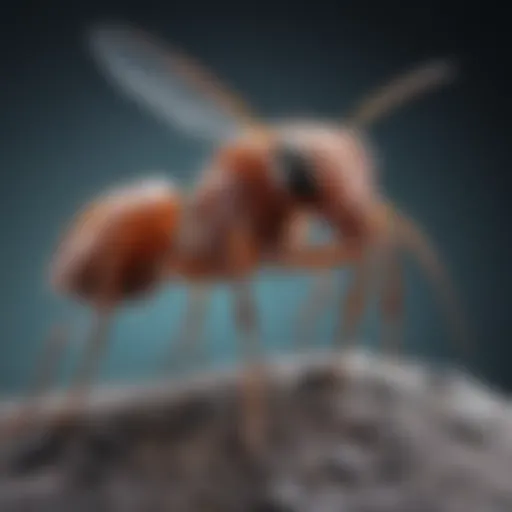
- Ants: These tiny invaders often form trails, signaling a nest nearby. Commonly, both Carpenter ants and Sugar ants can be found in homes, especially during warmer months.
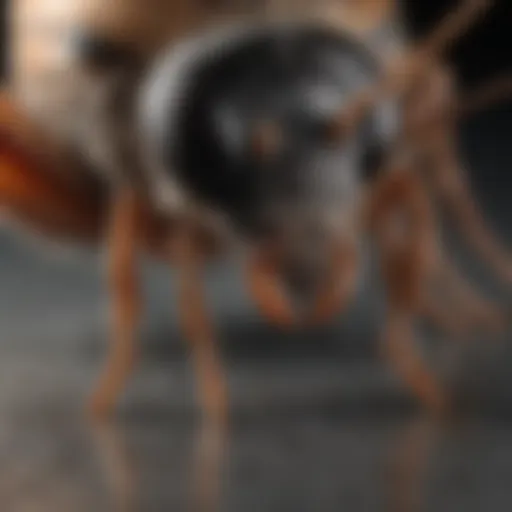
- Cockroaches: Characterized by their dark, glossy bodies, cockroaches are nocturnal and tend to hide in cracks and crevices during the day. They often impart a musty odor in infested areas.
- Rodents: Mice and rats can squeeze through surprisingly small gaps. They often leave droppings, and gnaw marks on food and furniture, making their presence known.
- Termites: Known as the silent destroyers, termites cause significant damage over time. Look for discarded wings and mud tubes as signs of their activity.
Signs and Symptoms of Infestations
Paying attention to the signs of an infestation can save homeowners from grave damage:
- Unusual sounds, particularly at night, may signal rodent activity.
- The presence of droppings is often a red flag.
- Damage to wood, insulation, or wiring often indicates larger issues, especially with termites.
Spotting these symptoms early on can facilitate prompt action and minimize potential destruction, thus preserving your home's integrity.
Prevention Strategies
Preventing pests is certainly less stressful than dealing with an infestation. Incorporating simple daily practices can protect your home effectively.
Home Maintenance Tips for Pest Prevention
- Seal Entry Points: Inspect your home for gaps around windows and doors. A little caulk or weather stripping can go a long way.
- Regular Cleaning: Keep food stored in sealed containers and remove clutter where pests may hide.
- Yard Maintenance: Maintain your yard by trimming bushes and regularly cleaning up debris. This restricts pest habitats.
- Moisture Control: Fix any leaks and maintain proper ventilation in basements and crawl spaces.
Natural Deterrents and Barriers
Utilizing natural deterrents can be both an efficient and safe method:
- Essential Oils: Peppermint and eucalyptus oils can deter ants and rodents when used in spray form.
- Diatomaceous Earth: This powder can be sprinkled in areas where pests are likely to traverse. It’s effective against crawling insects and is safe for humans and pets.
By making such adjustments, homeowners can screen themselves from the unwanted hassle of pest activities.
Treatment Options
Even with the best preventative methods, pests may still find a way in. Therefore, knowing how to address an infestation is critical.
Overview of Chemical vs. Natural Treatments
Chemical treatments often promise fast results but might pose health risks to households with pets or small children. On the other hand, natural treatments can take a bit longer but usually come without adverse health implications. It’s essential to weigh these choices carefully, considering the specific pest and the extent of the infestation.
Step-by-Step Guides for DIY Treatments
For those who lean towards a hands-on approach, here’s a simple guide for dealing with common pests:
- For Ants: Mix equal parts of vinegar and water in a spray bottle. Spray directly onto the ants and their trails.
- For Cockroaches: A mixture of baking soda and sugar can be laid out. The sugar attracts them, and the baking soda causes them distress when ingested.
- For Mice: Use a combination of peppermint oil on cotton balls. Place them near suspected entry points to deter mice away.
Following these methods can produce results, yet persistent issues may necessitate the involvement of professionals.
"An ounce of prevention is worth a pound of cure." - Benjamin Franklin.
The pest control landscape in Omaha offers numerous avenues for effectively tackling these tiny troubles, ensuring homes remain comfortable and safe.
Understanding the Pest Control Landscape in Omaha
The issue of pest control is often underestimated, yet it plays an essential role in maintaining a healthy living environment, especially in Omaha where seasonal variations influence pest activity. From the hot, humid summers perfect for insects to the chill of winter that drives them indoors, it's crucial for homeowners to be aware of the pest control landscape they navigate.
In this article, we'll unravel what pest control services entail, identify common adversaries lurking around homes, and discuss prevention and treatment strategies that can safeguard your sanctuary. By getting to grips with this topic, homeowners can take proactive steps to minimize pest invasions.
Overview of Pest Control Services
Pest control services in Omaha include a broad spectrum of solutions designed to tackle various pest issues. These services often range from inspections to extermination, encompassing both preventative measures and reactive treatments. Generally, pest control can be divided into three main categories: prevention, treatment, and monitoring.
- Prevention: This aspect deals with strategies aimed at stopping pests before they become a problem. It involves making homes less inviting through proper sanitation, sealing entry points, and regular inspections.
- Treatment: Should prevention measures fail, pest control companies will use treatments tailored to the type of pest in question. This can involve chemical treatments, natural remedies, or, for more severe intrusions, the implementation of Integrated Pest Management approaches.
- Monitoring: After treatments are applied, ongoing monitoring ensures that pests do not return. Many service providers offer regular check-ups to keep households pest-free.
Homeowners must understand these services to choose the best option for their pest problems. This understanding not only aids in selecting a pest control company but also helps in identifying the best practices to keep pests at bay.


Importance of Professional Expertise
When it comes to pest control, the expertise of professionals cannot be overstated. Many people might believe that pests can be taken care of with DIY solutions, but the reality is more complex. Pests can cause extensive damage to property and may even pose health risks.
In Omaha, utilizing professional pest control services means accessing expert knowledge on pest behavior and biology. Certified technicians know the most effective techniques to handle various pest challenges. They are trained to identify potential infestation signs and can provide tailored advice for long-term prevention.
Moreover, chemical treatments require careful handling and understanding of safety protocols. Using an untrained individual can exacerbate pest problems and pose risks to health and the environment.
As a homeowner, it's vital to weigh the costs of professional services against the potential damage and health concerns that pests may cause. In many cases, investing in a knowledgeable and experienced pest control team can save homeowners money and stress in the long run.
"You can save time, money, and your peace of mind by opting for professional pest control services rather than tackling pest problems on your own."
Common Pests in Omaha
Understanding the common pests that inhabit Omaha is crucial for any homeowner. These pests are more than just a nuisance; they can cause extensive damage to properties and affect the health of individuals living in the house. By identifying specific pests, homeowners can tailor their prevention and treatment methods more effectively. Knowledge of these pests equips individuals with the tools needed to safeguard their homes and create a healthier living environment.
Identifying Common Insects
Omaha is home to a range of insects, some of which can wreak havoc if not managed properly. Among the most common are:
- Cockroaches: These pesky critters are not just unpleasant to look at, but they also carry disease. Being nocturnal, they often go unnoticed until there's a larger infestation.
- Flies: Houseflies and fruit flies are abundant, especially in warmer months. Their ability to reproduce quickly makes them a real nuisance.
- Bed Bugs: A nightmare for many, these tiny insects are elusive and can easily hitch a ride into homes via luggage and clothing, causing sleepless nights.
- Ants: These social insects can enter homes in search of food, and some species like the carpenter ant can cause structural damage.
Homeowners should actively monitor their residences for any signs of these pests to prevent substantial infestations.
Termite Infestation: Signs and Prevention
Termites are among the most destructive pests, often dubbed the "silent destroyers." They can compromise wooden structures long before any visible signs are detected. Here’s how to spot them:
- Mud Tubes: Termites build tubes to travel and protect themselves from predators and moisture. These tubes look like small tunnels along the foundation.
- Wood Damage: If there's hollowed-out wood or wood that sounds hollow when tapped, this may indicate a termite issue.
- Droppings: Termite droppings resemble small piles of sawdust and can often be found near infested areas.
To prevent termite infestations, homeowners should consider:
- Regular Inspections: Schedule yearly inspections with pest control professionals to catch potential issues early.
- Moisture Control: Keep areas around the home dry, especially basements and crawl spaces to deter termites.
Rodents: An Ongoing Challenge
Rodents, particularly mice and rats, are common in Omaha and a challenge for many homeowners. They can invade homes searching for food and shelter, often leading to health risks. An infestation can create chaos and distress within what’s meant to be a safe space.
- Signs of Infestation: Look for droppings, gnaw marks, and noises at night. These indicators show that rodents may be lurking.
- Health Risks: Rodents can carry diseases like hantavirus and salmonella, impacting families significantly.
To manage rodent populations:
- Seal Entrances: Inspect your home for gaps and cracks where rodents can enter. Sealing these entry points is crucial.
- Proper Food Storage: Store all food in airtight containers and maintain a clean kitchen area to dissuade rodents from entering.
Ant Species and Their Behavior
Ants may seem like harmless little creatures, but they can pose real problems when they decide to invade homes. In Omaha, common species include:
- Carpenter Ants: Often confused with termites, these ants can damage wooden structures as they carve out nests.
- Pavement Ants: Frequently found around sidewalks and driveways, they are notorious for forming large colonies.
- Sugar Ants: Attracted to sweet substances, these ants can invade kitchens and pantries if food isn’t properly stored.
Understanding the behaviors of these ants can help in prevention and control:
- Avoid Leaving Food Exposed: Clean up crumbs and spills, and store food in sealed containers to deter sugar ants.
- Monitor Nesting Sites: Carpenter ants often nest in damp wood; repairing leaks can significantly reduce infestations.
"The best offense is a good defense; knowing your pests is half the battle in keeping your home safe."
Homeowners in Omaha can significantly benefit from knowing these common pests, their signs, and effective prevention strategies. Vigilance combined with a little understanding goes a long way in maintaining a pest-free home.
Prevention Strategies for Homeowners
When it comes to restoring peace and comfort in your home, prevention is often the unsung hero. Rather than waiting for pests to intrude, employing smart prevention strategies is about being proactive. These methods combine awareness, cleanliness, and thoughtful home design. Investing in these strategies not only keeps your home pest-free but ultimately saves you from greater headaches later on. Let’s dig deeper into some of the practical tactics that make a significant difference.
Maintaining a Clean Environment
Creating a clean environment is like laying out a welcome mat for health and a strong barrier against pests. A tidy home ensures that food sources aren’t easily accessible, which is a clear knock on the door for unwanted visitors.
- Regularly sweep and mop floors to catch crumbs.
- Keep food items, especially grains and cereals, in airtight containers.
- Don’t forget to check behind appliances; those forgotten crumbs can be quite the feast for pests.
Beyond just food, keeping the home organized makes it harder for pests to find hiding spots. Stacks of newspapers and magazines can become cozy homes for roaches or spiders. It’s a simple equation—less clutter means less inviting conditions.


Sealing Entry Points
Pests are like determined ninjas, always seeking a way in. Thus, sealing entry points becomes your fortress against invasion. Windows and doors are the most common culprits, but don't overlook the garage or basement vents.
- Inspect windows to ensure that screens are intact—any little tear can be an open invitation.
- Weather stripping on doors can also keep the critters from sneaking in through the cracks.
- Fill gaps or holes in walls, especially near utility lines. Expanding foam or caulk can work wonders here.
Regular checks to these points can deter pests before they ever set foot inside your home. Remember, an ounce of prevention is worth more than a pound of cure, especially with critters.
Landscaping and Outdoor Maintenance
Believe it or not, the exterior of your home plays a crucial role in pest management. This is where the battle against pests often starts. Neglected yards can become hotbeds for pest activity.
- Trim overgrown shrubs and trees to eliminate hiding places and paths toward your home.
- Keep mulch layers at a minimum. While they can be aesthetically pleasing, thick mulch can attract pests.
- Properly managing drainage to prevent standing water is vital, as it attracts mosquitoes and other water-loving pests.
Investing time in your landscape is key. Whether it’s a frontline defense or an attractive feature, a well-kept yard discourages pests and invites positive chatter about your home’s condition.
A home that's clean and well-maintained is not only a haven for its residents but also a fortress against unwanted visitors.
Treatment Options Available
Finding the right treatment options for pest control is pivotal in keeping your home safe and comfortable. The methods employed can significantly influence the outcome, not only in terms of effectiveness but also regarding the safety of inhabitants and the environment. Understanding the variety of treatments, from conventional methods to more natural approaches, equips homeowners with the knowledge they need to make informed decisions amidst the ever-evolving pest landscape.
Overview of Chemical Treatments
Chemical treatments frequently take center stage in pest control efforts. Their effectiveness in rapid elimination of infestations is quite impressive, but it’s crucial to select the right chemicals and methods.
- Types of Chemicals: There are generally two categories: insecticides, which target insects, and rodenticides aimed specifically at rodents. Each type comes with its own set of applications and formulations.
- Timing and Application: Proper timing and application method can make all the difference. For instance, treatments should often be applied at times when pests are most active while also considering environmental factors.
- Safety Procedures: Always adhere to safety information on product labels. Wearing gloves and masks during treatment can prevent unnecessary exposure. Families with pets and small children might find these measures especially vital.
However, reliance solely on chemicals can raise some concerns. Overuse or misuse can lead to resistant pest populations or negative impacts on local ecosystems.
Natural Remedies: An Alternative Approach
In recent times, natural remedies for pest control have garnered attention for their eco-friendly benefits. These alternatives can often be equally effective while reducing the potential risks associated with harsh chemicals.
- Essential Oils: Many homeowners have found success in using essential oils such as peppermint or tea tree oil as natural repellents. These oils can disrupt the scent trails that pests use to navigate, sending them packing.
- Diatomaceous Earth: This natural powder draws moisture from insects, leading to their demise without the use of harmful chemicals. Sprinkling it around entry points can deter pests without posing risks to the family.
- Homemade Traps: Crafting traps using everyday items like vinegar and sugar can effectively lure and catch pests without any toxic components.
Natural methods may demand a bit more patience and persistence, but they align better with sustainable living principles. Homeowners can take comfort in knowing they are employing less hazardous solutions.
Integrated Pest Management (IPM) Explained
Integrated Pest Management, or IPM, presents a holistic approach to pest eradication, balancing efficiency with environmental responsibility.
- Monitoring and Identification: The first step in IPM involves observing and identifying pest species. Knowing what you’re dealing with allows for targeted interventions.
- Prevention: Using a combination of cultural, physical, and chemical practices to prevent infestations can lower the likelihood of pest problems. For instance, maintaining garden hygiene and regular home inspections can make a big impact.
- Action Thresholds: Understanding when the pest population reaches a level that necessitates action is vital. This proactive stance enables homeowners to react before an infestation spirals out of control.
By combining these various methods, IPM not only strives to eliminate pests but does so with a strategic plan that considers the wider environment and the potential long-term impacts of each decision.
The goal of effective pest control isn't just eradication; it's about managing populations sustainably and responsibly.
Homeowners in Omaha can choose from a diverse array of options—be it chemical, natural, or a blend through IPM. Assessing the specific circumstances and considering the benefits and drawbacks of each tactic will enhance your pest control strategy. With this knowledge in hand, maintaining a pest-free home becomes much less daunting.
Finding Genuine Pest Control Services in Omaha
Identifying effective pest control solutions can sometimes feel like finding a needle in a haystack. In Omaha, where various pests pose threats to homes and health, finding genuine pest control services is a crucial step for homeowners. Trusting a service doesn’t just come down to the price; it involves understanding the service quality, effectiveness, and safety protocols employed by the company.
The right company doesn’t simply exterminate; they educate. They help you understand the nature of your specific pest problem and provide tailored solutions. A well-managed service can foster peace of mind, knowing that your home is in capable hands.
Evaluating Pest Control Companies
When evaluating pest control companies, several key factors should consider and weigh carefully. First, look for licensure and certification. A reputable pest control service is usually licensed by the state, demonstrating compliance with local regulations and safety standards. This is critical, as states often require companies to undergo rigorous training.
Next, experience matters. Companies with a long-standing history are likely to have dealt with a multitude of pest issues, refining their efficiency over the years. Reading online reviews and seeking testimonials can provide insight into their track record. Pay attention to those who mention satisfaction with long-term results rather than just short-term fixes.
Additionally, consider the methods they employ. Some companies may lean heavily on chemical treatments, while others might utilize more eco-friendly or integrated approaches. Ask questions about how they handle safety concerns, especially if you have children or pets at home. A genuine company should be transparent about their procedures and the materials they use, addressing any concerns prior to treatment.
- Check for experience: Longevity often indicates reliability.
- Look for customer feedback: Reviews can reveal true effectiveness.
- Understand the methods: Safety should be a priority in any pest control strategy.
Understanding Service Agreements
Service agreements can be perplexing. It’s imperative to read the fine print before signing anything. A genuine pest control company should offer clear and comprehensive service agreements detailing what services will be provided, how often they will occur, and what guarantees or warranties are included. Make sure to look for:


- Frequency of visits: Regular follow-ups can be vital depending on the pest problem.
- Scope of services: Be clear about what treatments are included and what might incur additional costs.
- Cancellation policies: Knowing how to exit an agreement without penalties is essential.
Moreover, inquiring about customer support channels is a smart move. If you have concerns or questions about your pest management plan, being able to reach out to a representative promptly can make a significant difference in your experience.
"Choosing the right pest control service is not just about getting rid of pests, it's about ensuring a safe and healthy environment for your family."
Understanding these elements not only ensures you get the best service possible but also helps establish a long-lasting relationship with a service provider who values your home as much as you do.
Myth-Busting: Common Misconceptions
In the realm of pest control, misunderstandings can create not only confusion but can also lead to significant problems in managing pest issues effectively. This section aims to illuminate some of the common misconceptions surrounding pest control, highlighting why accurate knowledge is crucial for homeowners in Omaha. Knowing the truths from the myths can save you time, money, and unnecessary stress.
Misunderstanding Pest Behavior
Many people harbor myths regarding pest behavior that can influence their decisions in handling infestations. One prevalent belief is that all pests are drawn to filth or neglect. While cleanliness plays a role, many pests, like termites, are not necessarily indicators of poor hygiene; they may simply be seeking shelter or food.
Misunderstandings about where and why pests thrive can lead to improper preventative measures. For instance, not all insects are harmful—many serve beneficial purposes in the ecosystem, such as pollinating plants or controlling other pest populations. Recognizing these distinctions is vital. If you mistake beneficial insects for pests, you might inadvertently disrupt the natural order.
Also, think about the timing of pest activity; it’s often assumed that pests are only a problem in warmer months. In Omaha, some pests like rodents are active all year round, particularly when seeking warmth during colder months. Identifying pest activity based on seasonal patterns can help in developing more effective management strategies.
"An ounce of prevention is worth a pound of cure" - remember this when approaching pest behavior.
Chemical Safety and Environmental Impact
The conversation around pest control often raises eyebrows regarding the safety of chemical treatments and their environmental consequences. A common misconception is that all pest control chemicals are harmful and dangerous, not just to the pests but also to humans and the surrounding environment. While it’s true that some chemicals can pose risks if misused, the reality is more nuanced.
Many pest control products are rigorously tested for safety and efficacy before they are made available in the market. Certified pest control professionals use products that meet safety standards, reducing risks for your family and pets. The key lies in careful application and knowledge of the chemical's modes of action.
Additionally, the notion that natural remedies are without their own risks is worth considering. While they might seem safer, certain natural pesticides can lead to environmental imbalances. For example, diatomaceous earth may eliminate beneficial insects alongside pests if applied indiscriminately. Understanding both the benefits and drawbacks of each method can assist homeowners in making informed decisions about pest control strategies.
Legal and Ethical Considerations in Pest Control
Pest control is a necessary practice for many homeowners in Omaha. However, wading through the legal and ethical waters of this industry might feel like navigating through a maze blindfolded. Understanding these considerations ensures not only compliance with local laws but also a commitment to humane practices. With the rise of environmental awareness, many folks are looking for pest control that aligns with their values, making this topic all the more pertinent.
Regulations Affecting Pest Control Services
Various regulations govern pest control services, largely influenced by state laws and environmental agencies. In Nebraska, the Department of Agriculture lays out specific guidelines that pest control companies must adhere to. These include licensing requirements, safety measures, and reporting procedures. For instance, pest control technicians must undergo proper training to handle chemicals safely and keep their licenses current, ensuring they are knowledgeable about humane treatment and environmentally friendly practices.
Adhering to these regulations is not just about avoiding penalties; it protects you, your family, and the environment. Companies that comply with local regulations typically use approved products and methods. Additionally, they often ensure transparency with homeowners regarding the treatments they use.
Some important regulations to consider include:
- Pesticide Application: All pesticides applied must be registered and labeled for use in Nebraska. Unauthorized applications can lead to detrimental effects on local flora and fauna.
- Waste Disposal: Regulations also dictate how hazardous waste must be disposed of, ensuring that harmful residues do not contaminate soil or water sources.
- Record Keeping: Pest control companies are usually required to maintain accurate records of services performed, storage of pesticides, and employee certifications.
Ethical Pest Control Practices
Ethics in pest control often revolves around the humane treatment of pests and the environmental impact of control methods. Customers are increasingly concerned about the effects of the products used, paving the way for a greater demand for ethical practices. The goal is to manage pest issues without unnecessary harm to the creatures themselves, particularly when alternatives exist.
One way to practice ethical pest control is through Integrated Pest Management (IPM), a strategy that focuses on long-term prevention and using the least harmful methods first.
Here are some ethical practices that reputable pest control companies often embrace:
- Humane Trapping: Using traps that catch pests alive, allowing for relocation rather than extermination.
- Minimal Chemical Use: Relying on biological controls or natural deterrents as a first line of defense, minimizing chemical pesticides to only when absolutely necessary.
- Education: Providing homeowners with knowledge on pest behavior and prevention, empowering them to manage pests sustainably.
In essence, ethical pest control mirrors a commitment to preserving the intricacies of our local ecosystem while recognizing the challenges pests pose to households. Practicing pest control with respect for all living beings not only cultivates community trust but also aligns with the growing movement towards sustainability.
"When pest control is done right, it shouldn’t leave you with a pit in your stomach about harming the very nature we exist alongside."
Commitment to both legal and ethical aspects of pest control not only makes an impact on the environment but encourages responsible business practices and builds a healthier community for everyone.
Closure
In wrapping up our discussion on pest control in Omaha, it’s clear that vigilant homeowners hold the key to effective pest management. It's not merely about reacting after pests invade, but about proactive measures to ensure a pest-free environment. This article has elucidated the different facets of pest control—from understanding common pests to exploring various prevention and treatment strategies.
Importance of Vigilance and Ongoing Education
Vigilance is more than a watchful eye; it's a relentless commitment to maintaining a clean and safe home. Homeowners must educate themselves about the seasonal behavior of pests. For instance, noticing when ants tend to swarm or when rodents seek shelter can mean the difference between a resolved issue and an all-out infestation.
Educating yourself about effective pest control practices enhances your ability to take timely action. Frequent training workshops and community seminars can arm you with the latest insights regarding pest behavior. Online platforms, such as blogs and forums, serve as invaluable resources for real-time pest control strategies shared by both professionals and fellow homeowners. Websites like Wikipedia and Britannica offer a wealth of information, but localized knowledge from your neighbors can be even more beneficial.
"An ounce of prevention is worth a pound of cure." - Benjamin Franklin
This old adage rings true in pest control. By recognizing signs of potential infestations early, employing consistent preventative measures, and being informed about local pest behavior, homeowners can save themselves from headaches later on.
In essence, the combination of personal vigilance and ongoing education empowers homeowners. It equips them with not just the knowledge, but the confidence to tackle pest-related issues head-on, ultimately ensuring a healthy, serene living environment. Maintaining this awareness goes a long way in fostering sustainable and effective pest management practices in Omaha.