Effective Pest Control Strategies in Goose Creek, SC
Intro
Pest control is more than just a nuisance; it’s a vital part of maintaining a healthy and safe living environment, especially in Goose Creek, SC. Homeowners here face unique challenges due to the warm climate and diverse ecosystem, which can lead to various pest issues. From ants to rodents, it is essential to understand the local pest landscape to effectively manage these intruders.
The goal of this guide is to equip you with practical insights into pest identification, prevention strategies, and treatment options. By the end, you’ll feel empowered to protect your home and family from unwanted pests while adopting sustainable practices that contribute to a healthier community.
Pest Identification
Knowing your enemy is half the battle. When it comes to pests, identifying them is crucial in selecting the right management strategy. Goose Creek boasts a range of unwelcome guests, each with its telltale signs.
Detailed Descriptions of Common Pests
Some of the most common pests you might encounter include:
- Ants: Tiny but mighty, varying from sugar ants to fire ants, they can forage in colonies, often entering homes in search of food.
- Termites: Known as the silent destroyers, termites can cause significant structural damage if not detected early. They typically swarm in spring.
- Rodents: Mice and rats are not just a problem in the city. They are drawn to the warmth and security of homes and can breed rapidly.
- Mosquitoes: Particularly notorious during summer months, mosquitoes are not only a nuisance but also carry diseases.
Signs and Symptoms of Infestations
Recognizing the signs of an infestation can prevent bigger problems down the line. Here are a few symptoms to keep an eye out for:
- Droppings: Evidence of pests often includes droppings, typically small and scattered.
- Nesting Materials: Shredded paper, insulation, or fabric can indicate mice or rats have made a home for themselves.
- Visible Damage: Look for wood damage or hollow-sounding wood in case of termites.
- Unusual Noises: When the sun sets, if you hear rustling or scratching in your walls, it’s probably not just the wind.
Tip: If you spot signs of one type of pest, it’s wise to investigate further. Pests often coexist, so multiple species could be lurking.
Prevention Strategies
Taking proactive steps can save you from the headaches of dealing with an infestation. Here are some effective prevention strategies:
Home Maintenance Tips for Pest Prevention
- Seal Entry Points: Inspect your home for cracks or holes, especially around windows and door frames, and seal them up.
- Reduce Clutter: Pests love hiding spots. Keep areas tidy and eliminate debris from around your home.
- Proper Drainage: Ensure downspouts direct water away from your foundation to reduce moisture, which attracts pests.
Natural Deterrents and Barriers
Opting for natural methods can be both effective and environmentally friendly. Some options include:
- Essential Oils: Citronella and peppermint oils can act as natural repellents when applied to entry points.
- Diatomaceous Earth: This natural powder can be spread around the perimeter of your home to deter crawling insects.
- Garlic Spray: A homemade garlic spray can keep mosquitoes and other flying pests at bay.
Treatment Options
When prevention falls short, understanding your treatment options is key.
Overview of Chemical vs. Natural Treatments
Chemical treatments can be effective but may pose health risks. Natural treatments may take longer to act but are generally safer for households with pets and children.
Step-by-Step Guides for DIY Treatments
- Boric Acid for Ants: Mix boric acid with sugar and water to create a bait that effectively eliminates ant colonies.
- Essential Oil Spray for Mosquitoes: Combine water with neem or tea tree oil in a spray bottle and apply around areas where mosquitoes breed.
- Homemade Traps for Rodents: Place a mixture of peanut butter and flour in a container with a ramp leading up to it, so rodents can enter but cannot escape easily.
By keeping abreast of effective pest control measures and understanding the specific pests prevalent in Goose Creek, residents can manage their homes proactively and efficiently.
Understanding the Pest Control Landscape in Goose Creek
Understanding the pest control landscape in Goose Creek is essential for homeowners looking to maintain a safe and healthy living environment. This knowledge not only includes a grasp of common pest species but also the various methods available for controlling these unwelcome guests. In a place where humidity levels run high and warm temperatures are abundant, pests like termites, mosquitoes, and ants thrive. Therefore, localized expertise in pest control services tailored to these specific challenges becomes invaluable.
Those managing pest issues in their homes should consider how the local ecosystem affects pest behavior. Whether you're dealing with a minor ant infestation or a colony of termites threatening your foundation, understanding what pests are prevalent in the area is key to effective management. Homeowners can then tailor their approaches based on seasonal patterns and regional pest behavior, optimizing their preventive measures and treatments.
Overview of Pest Control Services
In Goose Creek, pest control services can range from residential treatments to commercial solutions. Companies specialize in various strategies which include chemical treatments, biocontrol, and integrated management practices. Many services may offer free inspections to diagnose pest issues, an excellent option for homeowners hesitant about committing to treatment without thorough understanding. This initial step sets the stage for informed discussions regarding the most effective methods based on your specific situation.
Some typical services include:
- Periodic Inspections: Regular check-ups to preemptively detect infestations.
- Exclusion Techniques: Sealing entry points to deter pests from accessing homes.
- Targeted Treatments: Applying solutions tailored to specific pest types rather than blanket spraying, which can be less effective and more harmful to beneficial insects.


The aim of these services is not just to eliminate pests, but to understand them—to know their habits, habitats, and life cycles. By taking this comprehensive view, pest control operations can optimize both immediate solutions and long-term management plans.
Importance of Local Expertise
Finding a pest control expert who understands the unique challenges in Goose Creek is crucial. Such professionals bring invaluable local knowledge that can make a significant difference in both treatment effectiveness and prevention strategies. They recognize that certain pests might pop up seasonally due to local climate conditions, and they know which treatments are most effective within the specific environmental context.
Local technicians are also familiar with the intricacies of state regulations concerning pest control practices. This awareness ensures that homeowners are receiving safe, effective treatment methods that comply with legal standards. Whether it’s using specific chemicals or understanding wildlife preservation guidelines, local experts provide a grounded understanding that national chains may overlook.
Choosing locally can mean effective pest control with the added benefit of supporting your community.
By leaning on local expertise, homeowners not only address their pest-related challenges but also gain peace of mind, knowing they’re working with someone who genuinely comprehends their specific needs and concerns.
Thus, the landscape of pest control in Goose Creek is built on the interplay of knowledge, local experience, and tailored services, offering a robust framework for effective pest management.
Common Pests in Goose Creek
Understanding the common pests in Goose Creek, SC, is crucial for any homeowner. These pests can pose a myriad of problems, from structural damage to health risks. Households in this region are particularly vulnerable to certain insects and rodents, and knowing what to look for can make or break effective pest control strategies. Ignoring these nuisances can lead to greater issues down the line, including expensive repairs or harmful infestations. Thus, identifying and addressing these pests is a top priority for homeowners.
Identification of Termites
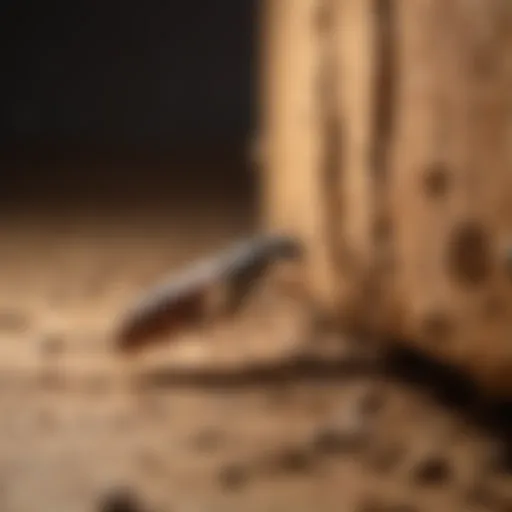
Termites are often regarded as silent destroyers. They are deceptively small but can cause monumental damage to wooden structures in no time. In Goose Creek, the Eastern Subterranean termite is the most prevalent species. To identify the presence of these pests, homeowners should look for mud tubes along walls or the foundation of their homes. Also, if you tap on wooden beams and hear a hollow sound, that's a sure sign that termites are at work.
Regular inspections, especially during the sweltering summer months, can help catch infestations early. Homeowners should also be aware of discarded wings near windows or doors, which are signs of reproductive termites swarming.
Dealing with Ants
Ants may seem like a minor annoyance, but they can create significant issues, particularly within the home. The fire ant, for instance, has made itself a notorious resident in South Carolina, with its painful sting and propensity for building mounds that can obstruct outdoor activities.
To tackle an ant problem, homeowners should identify the species first. Regularly cleaning surfaces to remove food residue can deter them. For those stubborn ants, a line of commercial bait stations can be placed along their pathways to attract and eliminate the entire colony. Also, sealing entry points with caulking can prevent them from invading your space in the first place.
Ants may be small, but their ability to invade homes swiftly can turn into a larger headache if not addressed promptly.
Rodent Infestations
Rodent infestations are another pressing concern in Goose Creek. Species like the Norway rat and the house mouse are common, especially during the crisp fall months when they seek warmth indoors. Identifying a rodent problem isn’t too difficult; signs include droppings, gnaw marks on food packaging, or even nests found in hidden corners of attics or basements.
For effective management, homeowners should not only act quickly but also maintain cleanliness. This includes securing food sources and plugging holes that could serve as entry points. Setting traps in strategic locations where evidence of activity is noticed allows for prompt removal of these intruders. Furthermore, it is essential to understand that rodent control is not simply about elimination; it also involves preventing reentry and addressing any potential points of attraction.
In summary, a solid grasp of the common pests that plague Goose Creek can arm homeowners with the knowledge needed to manage or prevent infestations. Recognizing the signs of termites, ants, and rodents ensures that any issues can be tackled head-on, maintaining the integrity and comfort of the home.
Prevention Techniques for Homeowners
Understanding how to prevent infestations can save homeowners a heap of trouble and expense. Implementing effective pest control methods at home is essential for creating a healthy living environment. These preventive measures not only help to deter pests but also ensure that your home remains a sanctuary.
Keeping the Exterior Pest-Free
The first line of defense against pests often lays outside the walls of your home. It's crucial to keep the exterior tidy and unfriendly to uninvited guests. Start by sealing all gaps, cracks, and openings in walls, windows, and doors. Even the tiniest hole can serve as a gateway for ants or rodents. Consider applying caulk around window frames or mesh screens to barricade any potential entry points.
Regularly inspect your property for standing water or moist areas, which can attract various pests. Drain any stagnant water from bird baths, clogged gutters, or old tires lying around. Plus, keeping the vegetation around your home trimmed and maintained can prevent easy access for many types of bugs.
A clean yard isn't just for aesthetics; it acts as a deterrent. Once in a while, take a stroll around your property with an eagle eye to catch any issues early on. After all, a proactive approach is worth its weight in gold.
Managing Indoor Environments
Once pests make it inside, removing them becomes a battle of wills. Before they invade, take steps to make your home less appealing to pests. This begins with maintaining cleanliness. Regular vacuuming and thorough cleaning of surfaces can eliminate crumbs that attract insects. Don't let dirty dishes stack up in the sink, either; pests like fruit flies can make a meal out of a leftover half-eaten peach.
Also, take note of how you store food. Sealing food in airtight containers can work wonders against pantry pests. Close those bags of flour or sugar tightly! Keep in mind that pests can thrive in humidity, so consider using a dehumidifier in damp areas like basements and bathrooms.
Along with keeping it clean, regular inspections of the indoors are crucial. Look for signs of infestation, such as droppings or nests, especially in hidden corners or behind appliances. Remaining vigilant means you can tackle issues before they spiral out of control.
Importance of Landscaping Choices
Your yard can be either a pest paradise or a repellent, depending on your landscaping choices. Think twice before planting flowers that attract unwanted insects. Instead, consider incorporating pest-repelling plants like lavender or marigolds around your home. Not only do they beautify the surroundings, but they also work like nature’s own sentinels.
Furthermore, consider your choice in mulch. Organic mulches are attractive to many pests, so opting for rock or pine bark can limit pest habitats around flower beds. Keep plants trimmed and spaced well apart to enhance air circulation; this can deter pests that thrive in dense foliage.


Lastly, placing wood or other debris away from the foundation and regularly maintaining your gutters can help reduce moisture levels, making your home less hospitable to pests.
To summarize, prevention is the best way to handle pest control in Goose Creek, SC. By being proactive about exterior upkeep, managing indoor environments, and opting for smart landscaping choices, homeowners can keep their properties safe from pest invasions and enjoy peace of mind.
"An ounce of prevention is worth a pound of cure."
For more information, check out resources on pest prevention at CDC.gov, EPA.gov, and other specialized sites that provide further guidance.
Effective Treatment Options
Understanding the variety of treatment options available is pivotal when considering pest control in Goose Creek, SC. Having a well-rounded approach to combating pests not only leads to more effective results but also ensures that the solutions implemented are sustainable and safe for the household. The following subsections break down the major approaches—each with its own set of benefits and considerations—that homeowners can explore when faced with pest challenges.
Chemical Solutions
Chemical solutions have long been the go-to method for pest control. These products range from insecticides to rodenticides, and they are designed specifically to target and eliminate pests quickly. The effectiveness of these solutions is often apparent in their rapid results, giving homeowners a sense of relief in short order.
However, there are key considerations when going down this path. For starters, the safety of household members and pets should be paramount. Ensuring that the chemicals used are safe for residential use is crucial. Additionally, it's advisable to follow the manufacturer's instructions to the letter to avoid any potential hazards.
It's also worth noting that chemical treatments sometimes only address the symptoms of a pest issue rather than the root cause. Thus, while they can provide an immediate fix, they should be part of a larger, integrated approach. Furthermore, improper use of chemical solutions could lead to pests developing resistance, making future control efforts ineffective.
Natural Remedies
With an increasing focus on sustainability and environmental health, many homeowners in Goose Creek are leaning towards natural remedies. These solutions often involve common household items or plant-based compounds that can deter pests without the harsh effects of chemicals. Examples include vinegar, diatomaceous earth, and essential oils like peppermint and tea tree.
The benefits of natural remedies lie in their eco-friendliness and relative safety for both humans and non-target species. For those who prefer to avoid commercial chemicals entirely, these methods can be ideal. However, it's important to remember that natural solutions may need to be applied more frequently, as they can be less persistent than chemical treatments.
While they might not always match the speed of chemical interventions, natural remedies can be a longer-term solution when combined with preventive practices. In Goose Creek, many residents have found that integrating these approaches into their pest management systems allows for a balance between effectiveness and environmental mindfulness.
Integrated Pest Management Systems
Integrated Pest Management (IPM) is perhaps one of the most holistic approaches to pest control. This method combines multiple strategies to manage pests effectively while minimizing risks to people and the environment. IPM focuses on understanding the pests’ lifecycle and behavior, which facilitates the development of a comprehensive plan tailored to the specific situation.
This strategy often incorporates monitoring, habitat modification, and the use of both chemical and natural treatments based on observed pest populations. Homeowners are encouraged to make ongoing observations and adjustments to their approaches, ensuring that the treatments remain effective over time.
The strength of IPM lies in its adaptive nature. By treating the problem as a broader system, homeowners can cultivate a pest-resistant environment in their homes. This not only addresses current infestations but can significantly reduce the likelihood of future issues. For Goose Creek residents, adopting IPM practices could mean more sustainable and long-lasting pest control solutions.
Key Takeaway: Effective treatment options go beyond just the application of chemicals or natural remedies; they require a strategic, informed approach that considers all aspects of pest management.
Understanding the Regulatory Environment
When it comes to pest control in Goose Creek, a solid grasp of the regulatory framework is crucial for both homeowners and professionals alike. This environment dictates how pest control services operate, ensuring they adhere to safety practices that protect both the public and the ecosystem. Knowing these regulations can make the difference between effective pest management and potential legal troubles.
Regulations serve multiple purposes. Firstly, they provide a clear standard of practice, establishing what pest control companies must comply with. Secondly, they ensure environmentally sound practices that minimize harm to non-target species and human health. Understanding these rules not only empowers homeowners to make informed choices but also urges professionals to uphold the highest standards in their work. Without this knowledge, both parties might find themselves in tricky situations—from improperly applied treatments to unsecured liability issues.
State Regulations on Pest Control
Each state has its own set of rules governing pest control. For Goose Creek, the South Carolina Department of Pesticide Regulation outlines specific measures for treatment protocols, pesticide application, and licensing requirements for pest control operators. Familiarity with these stipulations ensures that you or your chosen service act within legal boundaries.
Consider these critical elements:
- Pesticide Application: Most states, including South Carolina, have strict guidelines on when and how pesticides can be applied. Delaware’s regulations may differ; however, here, proper timing and technique are key to effective pest control and compliance.
- Record Keeping: Companies must maintain meticulous records of pesticide usage, including the type of pesticide and the area treated. These records are essential in the event of a complaint or inspection.
- Safety and Environmental Standards: Residential pesticide applications must be executed in accordance with safety standards that limit exposure to non-target organisms. Ignoring these regulations can not only endanger the local wildlife but put human health at risk too.
The overall takeaway? Being aware of state regulations not only helps consumers navigate their options but also promotes a community that prioritizes safety, ultimately creating a healthier environment.
Licensing and Requirements for Professionals
When hiring a pest control professional, their licensing and credentials are paramount. In South Carolina, pest control operators are required to obtain a license through the South Carolina Department of Pesticide Regulation. This ensures that they are trained properly in safe application techniques and can deal with different pest situations effectively.
Several factors go into the licensing process:
- Certification Exams: Potential operators must pass rigorous exams to demonstrate their understanding of pest behavior, treatment options, and safety practices. This indicates a minimum level of competence and professionalism that every homeowner should expect in service providers.
- Continuing Education: Ongoing education is mandated to keep professionals current with best practices, emerging pest control technologies, and updates to the legislation. This ensures that the service you receive is based on the latest developments in pest management.
When evaluating a pest control company, consider asking for proof of their licensing, and don’t hesitate to verify it with local regulatory bodies. This simple step can save you from hiring a company that doesn't meet industry standards, keeping both you and your property safe.
Understanding the regulatory environment of pest control is crucial for making informed choices that impact your home and community.


In sum, navigating the regulatory environment in Goose Creek is an essential part of pest control management. Familiarizing yourself with state regulations and the qualifications needed for pest control professionals allows homeowners to limit risks while securing effective solutions for their pest problems.
Choosing a Pest Control Professional
Selecting the right pest control expert can mean the difference between a long-term solution and a temporary fix. This decision isn’t just about getting rid of the pests; it involves finding someone who understands the local environment, the specific pest challenges in Goose Creek, and what methods work best in this region. In a nutshell, it’s about entrusting your home and wellbeing to the right hands.
When it comes to pest management, experience and qualifications are vital. A knowledgeable professional will not only eliminate the current infestation but also help prevent future issues. These experts are well-versed in various pest behaviors and can use targeted methods tailored to each situation, ensuring the best possible outcome.
Moreover, the importance of local expertise cannot be understated. A pest control professional who has operated in Goose Creek will be familiar with the types of pests most commonly found in this area, their life cycles, and peak activity times. This localized knowledge gives them an edge in rapidly identifying infestations and applying the most effective treatments.
"Your home is your castle; make sure you’ve got the right knights to defend it."
Assessing Qualifications and Experience
When assessing a pest control professional, start by evaluating their qualifications. Look for certifications from recognized organizations and check if they adhere to the latest industry standards. A trustworthy expert will typically have certifications from the National Pest Management Association or state-specific agencies like the South Carolina Department of Pesticide Regulation.
In addition to qualifications, consider their experience. A seasoned professional will likely have encountered various pest problems and developed effective strategies to deal with them. Ask about their track record and if possible, request references from past clients. This can provide insights into how the provider handles extermination and follow-up services.
Furthermore, inquire about their ongoing training. The pest control industry is ever-evolving, with new treatments and environmental regulations regularly emerging. Professionals who invest in continuing education demonstrate a commitment to staying current in their field.
Evaluating Treatment Plans
Once you’ve identified potential pest control professionals, it’s time to evaluate their treatment plans. It's crucial to ensure that their methods align with your expectations, especially regarding safety—both for your family and the environment.
Engage them in conversation about their approach to eradication. Here are a few key points to explore:
- Treatment Techniques: Ask about the methods they employ, whether they utilize chemical, natural, or integrated pest management solutions. Knowing this will help you gauge their alignment with your own preferences regarding safety and effectiveness.
- Custom Solutions: A good pest control provider should offer tailored plans based on your specific issue rather than a one-size-fits-all solution. If they cannot detail how they would handle your unique situation, it may be a red flag.
- Follow-Up Process: Inquire about their follow-up strategies. A successful treatment doesn’t end with a single visit but requires proper monitoring and additional visits if necessary. They should provide a clear plan on how they’ll ensure pests don't return.
By carefully assessing qualifications and treatment plans, you can choose a professional who not only gets the job done but does it well. In Goose Creek, being thorough in selecting a pest control expert will safeguard your home effectively.
Monitoring and Follow-Up Strategies
Monitoring and follow-up strategies play a pivotal role in pest control management, especially for homes in Goose Creek. These strategies not only help in early detection of pest issues but also contribute significantly to the effectiveness of any treatment plan implemented. Regular monitoring allows you to keep tabs on the pest population, ensuring that they don’t come back stronger or in greater numbers. For housewives and homeowners, understanding the nuances of these strategies can be the key to maintaining a pest-free environment.
Establishing a Monitoring Schedule
Creating a systematic monitoring schedule is essential. This involves planning regular checks around your home, particularly during peak seasons for pests. For instance, different pests such as ants, mosquitoes, and termites tend to thrive in specific months. To get started:
- Decide Frequency: Choose a frequency that suits the specific pests in your area. Monthly checks are commonly effective, but you may want to increase this based on observed activity.
- Focus on Hotspots: Pay attention to common pest entry points such as windows, doors, and foundations. Areas like these should be prioritized during your inspections.
- Document Findings: Keeping a log of your findings can help identify patterns and give you a clearer understanding of the pest activity.
When a schedule is adhered to, you can catch issues before they escalate. It’s like having preventative maintenance for an appliance; addressing minor problems fast can save time and money in the long run.
Signs of Recurrence
Despite best efforts, pests can sometimes reappear. Recognizing the signs of recurrence is crucial in crafting an effective pest management plan. Here are common indicators that pests may be trying to set up shop once again:
- Sightings of Pests: Spotting insects or rodents during your routine checks is the most obvious sign. Any visible activity should trigger a reevaluation of your pest control measures.
- Droppings: Finding droppings in areas like cabinets or near food sources indicates that pests are present and active. The size and shape can help identify the specific pest at hand.
- Damage to Property: Chewed wires, gnawed furniture, or visible burrows can confirm pest activity. There’s often a direct connection between the signs of damage and the type of pest responsible.
"Keeping a vigilant eye on areas where pests have previously been found is crucial for long-term success in pest control management."
Following up with the appropriate measures upon noticing signs of recurrence allows homeowners to tackle issues head-on. This proactive approach minimizes the risk of infestation becoming overwhelming and supports sustainability in pest management practices.
Insights into Self-Management of Pests
Managing pests on your own can sometimes feel like a bit of a double-edged sword. On one hand, addressing pest problems yourself can save you money and give you a sense of accomplishment. On the other hand, a DIY approach comes with its own set of risks and complications. It’s essential to balance cost-efficiency and effectiveness when dealing with unwanted critters in your home in Goose Creek, South Carolina.
When it comes to self-management, the importance lies in understanding the local pest landscape and learning how to effectively handle it. This includes knowing what pests are common in the area, recognizing their habits, and understanding how to disrupt their life cycles. For instance, termites and ants don’t just invade for no reason; they are often attracted to specific conditions that homeowners can address. Being informed can greatly increase your likelihood of success.
Common DIY Mistakes
Often, DIY pest control attempts can go awry due to a few recurring oversights. Here are some of the common mistakes that can lead to more severe infestations:
- Using the Wrong Products: Sometimes, homeowners grab just any store product off the shelf without checking if it’s suitable for their specific pest. Not all solutions will work on every type of pest; using a bait designed for ants won’t do you any good for a termite issue.
- Ignoring the Source: Focusing solely on eliminating the visible pests while neglecting to examine the source of the infestation is a classic blunder. Critters don’t appear out of thin air; they have nests or entry points that need to be addressed.
- Over-Application of Chemicals: Relying heavily on chemical products can lead to adverse effects on the environment and may even cause health issues. This overuse is often due to an urgency to eliminate pests quickly and can yield counterproductive results.
"Addressing the root of the issue is crucial to effective pest management; otherwise, you might just be treating the symptom and not the disease."
Effective DIY Techniques
On the flip side, there are numerous DIY techniques that homeowners can lean on to manage pests effectively. Preparedness and knowledge can set you on the right path. Here are effective strategies to consider:
- Natural Deterrents: Many people have found success using natural ingredients to repel insects. Peppermint oil, for instance, is known to deter ants and spiders. You can mix a few drops with water and spray in areas where these pests are likely to invade.
- Seal Entry Points: Regularly inspect your home, focusing on areas like windows, doors, and other entry points. Sealing these gaps with caulking not only prevents pests from getting in but also makes your home more energy-efficient.
- Maintain Cleanliness: A clean home isn't just nicer to live in; it’s also less hospitable for pests. Regularly take out the trash, wipe down surfaces, and ensure food is stored properly in sealed containers to minimize attractants.
- Habitat Modification: Altering your landscape can make a significant impact. Consider trimming back bushes that touch your home and removing any standing water to discourage breeding environments for pests like mosquitoes.
In summary, self-management of pests can be an effective method for homeowners when approached with the right knowledge and techniques. By avoiding common missteps and employing effective strategies, you can seize control of your pest predicament and take charge of your living space.