Effective Management of Carpenter Bees with Ortho Solutions
Intro
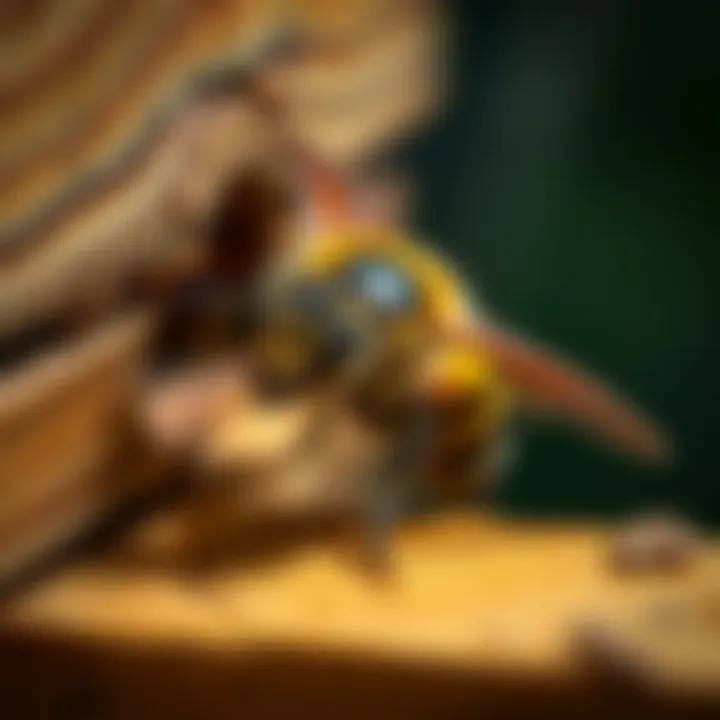
Carpenter bees can turn your beautifully crafted wooden patio or gazebo into a hollow shell of its former glory. As a homeowner or housewife, it is essential to understand how to tackle these pesky insects before they dig in deep and create a mess. These bees are not just nuisances; their nesting habits can lead to structural damage in your home over time. This comprehensive guide provides strategies for managing carpenter bees with a particular focus on effective solutions from Ortho Home Defense.
Understanding how to identify these pests, employ preventive measures, and implement treatment options can save you a lot of time, money, and heartache. Armed with the right information, you can ensure that your home remains undisturbed by these drill-happy insects.
Pest Identification
Detailed Descriptions of Common Pests
Carpenter bees are often mistaken for bumblebees due to their similar size and appearance. However, they can be differentiated by a few key traits. Carpenter bees are typically larger, with a distinctive shiny, hairless abdomen, and a pronounced yellow and black coloration. In contrast, bumblebees possess fuzzy bodies covered in hairs. Their size can vary from half an inch to an inch long, and they are known for their burrowing behavior.
Signs and Symptoms of Infestations
Recognizing the signs of a carpenter bee infestation early is crucial. Look out for:
- Holes in Wood: Carpenter bees drill perfectly round holes, usually around 1/2 inch in diameter, into softwoods such as cedar, pine, or fir.
- Sawdust Piles: You may find piles of fine wood shavings underneath their nesting sites, especially below the holes. This can appear as small heaps akin to a sprinkle of flour.
- Buzzing Sounds: These bees are not shy; their buzzing can often be heard nearby as they forage or drone around their nesting areas.
- Visible Adults: If you see large, black-bodied insects hovering near wood structures, there's a good chance they're carpenters.
Prevention Strategies
Home Maintenance Tips for Pest Prevention
Keeping your home exterior well-maintained can go a long way in preventing carpenter bee infestations.
- Seal Wood: Apply sealants or paints to wooden surfaces to make them less inviting. Carpenter bees prefer untreated wood to bore into.
- Use Hardwoods: Construct outdoor structures with hardwoods or chemically treated lumber, which are less attractive to these bees compared to softwoods.
- Routine Inspections: Regularly check for holes and other signs around your home.
Natural Deterrents and Barriers
There are various natural solutions to deter carpenter bees, including:
- Citrus Oil: Spraying a diluted citrus oil solution can repel bees due to its strong scent.
- Almond Oil: Similar to citrus, almond oil can be an effective repellent against carpenter bees.
- Decoys: Hanging up decoy nests can trick carpenter bees into thinking an area is already occupied, effectively keeping them at bay.
Treatment Options
Overview of Chemical vs. Natural Treatments
When it comes to treatment, you have two main approaches: chemical and natural. Chemical treatments, like Ortho Home Defense products, offer immediate results in controlling infestations, whereas natural treatments might take a while but come without the downsides of chemicals.
Step-by-Step Guides for DIY Treatments
If you choose a DIY approach, here’s a simple method:
- Locate the Nest: Identify and locate carpenter bee nests in wood or structures around your home.
- Choose Your Treatment: Decide between chemical sprays (like Ortho Home Defense insect killer) or natural remedies (such as soapy water or essential oils).
- Application: For chemical treatments, follow the manufacturer's instructions carefully, ensuring safety for yourself and the environment. When using natural methods, thoroughly soak the entrance of the nest and surrounding areas.
- Seal Up: After treatment, seal the holes to prevent reinfestation, using a wood filler that matches your structure.
- Monitor: Keep an eye on the treated area to ensure that bees do not return, adjusting your methods as necessary.
With an understanding of carpenter bees, as well as effective prevention and treatment strategies, address these pests head-on. Remember, simple upkeep and using targeted solutions can make a world of difference in keeping your home safe and sound. For more insights on pest control, check out resources like the EPA or NC State University for expert advice.
Understanding Carpenter Bees
Understanding carpenter bees is crucial for homeowners looking to safeguard their properties. These insects, while often mistaken for bumblebees, can cause significant damage if left unchecked. Carpenter bees have a tendency to burrow into wood, creating nests that can compromise the structural integrity of homes. Gaining insights into their identification, lifecycle, and nesting habits allows homeowners to take informed preventive measures, reducing the likelihood of infestations.
Identification of Carpenter Bees
Identifying carpenter bees is the first step in management. Unlike bumblebees, carpenter bees have shiny, hairless abdomens which can make them easier to spot. They are about ½ to 1 inch long and typically appear in colors ranging from yellow to black. Male carpenter bees are less aggressive, but they can be territorial, often buzzing near humans to ward off intruders.
To identify carpenter bees more effectively:
- Look for round holes (about ½ inch wide) in wood surfaces, as they create these entry points for nesting.
- Check for wood shavings scattered around the entry points. The presence of these shavings can indicate active nesting.
It's essential to act quickly once you suspect a carpenter bee infestation, as delaying can lead to further damage.
Biological Lifecycle and Behavior
Carpenter bees have a fascinating lifecycle that typically includes four stages: egg, larva, pupa, and adult. Females often emerge during the spring months when temperatures begin to rise. Upon emerging, they seek out existing holes or create new ones in soft, untreated wood to deposit their eggs.


Here’s a brief outline of their lifecycle:
- Egg Stage: Eggs are laid in the wood and are incubated by the female.
- Larval Stage: The larvae feed on pollen and nectar until they develop.
- Pupal Stage: They then pupate, undergoing transformation into adults.
- Adult Stage: The cycle continues as new adults emerge in late summer and fall.
Carpenter bees are key players in pollination; however, their nesting tendencies can spark homeowner concerns. Understanding their nesting behavior, such as their preference for softwoods like cedar, can prepare you for possible damage in certain areas of your home.
Nesting Patterns of Carpenter Bees
The nesting patterns of carpenter bees reveal much about their behavior and the potential threats they pose. They often choose unpainted, untreated wood, which is simpler for them to burrow into. Common locations for nests include:
- Eaves and overhangs of houses
- Decks and railings
- Wooden fences
- Sheds or outdoor furniture
Once a female carpenter bee establishes a site, she creates tunnels, often extending several feet long. These nests may contain separate chambers for each egg, lined with pollen as a food source. Recognizing these nesting patterns helps in identifying infestation areas and taking the necessary steps to mitigate damage.
"If you notice signs of carpenter bees, early intervention is vital - you can often prevent costly repairs before they become necessary."
By honing in on these key aspects of carpenter bees, homeowners can effectively prepare themselves for management and prevention. Understanding their identification, lifecycle, and nesting habits sets a strong foundation for the approaches that will be outlined in subsequent sections.
Impact of Carpenter Bees on Homes
Carpenter bees, though often mistaken for their more benign counterparts, the bumblebees, can be a real headache for homeowners. Understanding how these creatures impact our homes not only informs management techniques but also highlights the importance of taking preventive measures. Homeowners should be aware of the potential consequences of carpenter bee infestations, as these pests can compromise the integrity of structures and lessen the aesthetic appeal of properties.
Structural Damage Caused by Nesting
Carpenter bees are notorious for their nesting habits, which can lead to significant structural damage over time. Unlike wasps, these bees do not build hives made of paper; instead, they bore holes into unpainted or weathered wood to lay their eggs. Common targets include decks, eaves, siding, and fences.
- The initial drilling creates small holes, usually about half an inch wide. While these might seem harmless at first, the situation can escalate quickly. Once inside, the bees create tunnels that can stretch several feet, weakening the wood fibers.
- Over time, these tunnels can cause considerable damage, resulting in costly repairs that no homeowner wants on their plate.
By the time homeowners notice the first signs of damage, it may already be too late to limit the extent of the harm. Understanding where these bees tend to nest and the kind of wood they prefer can aid homeowners in spotting potential problems early.
Effects on Aesthetics and Property Value
The presence of carpenter bees can negatively affect not only a home’s integrity but also its outward appearance. Nesting holes tend to mar the surface of even the most pristine homes, leaving visible signs of the bees’ activities that can deter potential buyers if the house is on the market.
More significantly, homes that showcase visible damage from carpenter bees can see a decrease in overall property value. Property appraisers often consider the condition of a home’s exterior, which means that issues stemming from bee infestations can translate into financial loss for homeowners.
- The aesthetic impact can extend beyond just the physical damage. For many homeowners, the presence of bees evokes a sense of anxiety, leading to reluctance in hosting outdoor gatherings or simply enjoying their yards.
- A property that looks unkempt or damages from pests can signal neglect to others, which may further affect the homeowners' peace of mind.
Incorporating preventive measures can not only shield your home from carpenter bees but also maintain its appeal and value in the marketplace.
Understanding the impact of carpenter bees is crucial for effective home management. By addressing structural integrity and aesthetic concerns proactively, homeowners can safeguard their investments and enjoyment of their living spaces.
Ortho Home Defense Overview
In the quest to tackle carpenter bee infestations, Ortho Home Defense emerges as a reliable ally for homeowners looking to safeguard their properties. This section illustrates the significance of Ortho Home Defense solutions within the broader context of carpenter bee management, highlighting their unique offerings, benefits, and practical considerations.
Ortho's product range is particularly designed to combat various pests, including the wood-boring carpenter bee. By integrating pest control options into your management strategy, you can effectively reduce the risk posed by these insects. Homeowners, especially those with wooden structures, will discover that prevention and treatment, when supported by a proven line of defense like Ortho, can make a marked difference.
Key benefits include:
- Ease of application: Many products are user-friendly, allowing homeowners to apply treatments with minimal hassle.
- Long-lasting effects: Ortho's formulations are designed to not only eliminate present infestations but also create a barrier that deters future invasions.
- Specific targeting: The precision of Ortho products means that you can focus on affected areas without affecting non-target species, providing peace of mind.
However, with every solution, some considerations are to take into account. Homeowners should familiarize themselves with every product's instructions to ensure optimal results. Understanding the proper use of Ortho solutions, alongside an awareness of environmental factors influencing carpenter bee activity, will empower users to make informed choices in their pest management efforts.
Product Range and Efficacy
Ortho Home Defense offers a variety of products specifically crafted for treating and preventing pest infestations, including carpenter bees. These solutions range from sprays to granular applications, allowing homeowners to select the most suitable method for their particular situation.
For instance, the Ortho Home Defense Insect Killer formula is effective against a wide array of pests, including carpenter bees. Its dual action – killing on contact and providing lasting residual control – means that treatment can be done with confidence. Homeowners appreciate products like this because they save time and energy while ensuring effectiveness.
Active Ingredients: Mechanisms of Action
Products within the Ortho lineup feature various active ingredients, each contributing in specific ways to combatting carpenter bee infestations. Some common ingredients include bifenthrin and carbaryl, which play pivotal roles in controlling insect populations.


- Bifenthrin: This ingredient works by disrupting the nervous system of carpenter bees. When they come in contact with lost or treated surfaces, it can quickly lead to paralysis and death.
- Carbaryl: Known for its versatility, it works by inhibiting the enzyme that helps regenerate the nervous system, effectively leading to fatal consequences for targeted pests.
Understanding these mechanisms of action aids homeowners in recognizing the significance of choosing effective pest control solutions. With knowledge of how these products work, users can adopt best practices for application, ensuring their homes remain protected from carpenter bee invasions.
Preventive Measures Against Carpenter Bees
Preventing an infestation of carpenter bees involves more than just a reactionary approach; it requires a proactive strategy that effectively safeguards homes from potential damages. Taking preventive measures is crucial because it not only protects your property integrity but also maintains your home’s aesthetic appeal. Moreover, it can ultimately save homeowners time and money by avoiding extensive repairs caused by these wood-boring insects.
Environmental Modifications
Any seasoned homeowner knows that addressing vulnerabilities is the first step in keeping pesky pests at bay. With carpenter bees, modifying the environment can make a significant difference.
Sealing Entry Points
When it comes to sealing entry points, this process involves identifying existing holes in wood structures and sealing them adequately. This strategy is paramount because carpenter bees often seek out these openings to establish their nests. A key characteristic of sealing entry points is that it disrupts their nesting patterns, making your home less appealing to these insects. Often, homeowners overlook this simple yet effective control method.
The unique feature of sealing entry points is that it’s not chiefly reliant on chemicals, which is a significant advantage for those seeking eco-friendliness in pest management. However, a downside can be found in the maintenance required; if not done properly, these seals may break down over time, allowing future access for the bees.
Eliminating Wood Sources
Eliminating wood sources addresses another critical aspect of management. Carpenter bees are fond of untreated or weathered wood. They often make their homes in such materials, leading to significant structural damage. The main benefit of removing wood sources is that it reduces the likelihood of an infestation in the first place. Wood piles and old decking can become hotspots for bee activity.
The unique feature of this approach lies in its effectiveness—homeowners can mitigate the risks by selectively treating wood or replacing it with more durable options like composite materials. Yet, it can be labor-intensive, and not every homeowner may have the resources to eliminate all wooden structures from their properties.
Natural Deterrents
In addition to structural modifications, employing natural deterrents can offer an organic alternative to controlling carpenter bees. These methods allow you to minimize environmental impact while effectively keeping your home secure.
Exploring Essential Oils
Exploring essential oils is another route homeowners might take. Certain oils, such as lemon and peppermint, are believed to deter carpenter bees due to their strong scents. This method is beneficial because it’s safe and poses no risk to humans or pets, making it a popular choice for many. The unique aspect of essential oils is that they can easily be mixed into sprays and applied around areas where bees are likely to nest. However, a disadvantage may be the need for frequent reapplication, especially after rainfall, to ensure ongoing effectiveness.
Utilizing Predatory Insects
Utilizing predatory insects brings a unique ecological approach to the table. Some gardeners advocate for the introduction of species like ladybugs or certain wasps that naturally prey on bee larvae. This natural control method not only helps in keeping bee populations in check but also supports a balanced ecosystem. The standout characteristic of this method is its low environmental impact and harmony with nature.
Nevertheless, the effectiveness of this approach can vary, and it may require investment in time for new homeowners to monitor and nurture these predatory species, which may not be feasible for everyone.
The collective efforts of implementing environmental modifications and utilizing natural deterrents can significantly reduce the risks of carpenter bee invasions. These strategies highlight a commitment to preserving both the structure of your home and the environment.
Treatment Options for Carpenter Bee Infestations
Managing carpenter bee infestations effectively is crucial for preserving the structural integrity of homes and reducing the risk of property damage. The treatment methods employed will influence not only the immediate outcomes but also long-term prevention strategies. Homeowners must weigh their options closely, considering factors like the effectiveness of the chosen method, ease of application, and safety to both people and pets. Understanding the available treatments will help in making informed decisions that protect both home and environment.
Using Ortho Home Defense Solutions
Application Techniques
One key aspect of using Ortho Home Defense solutions is the proper application techniques. Effective pest management hinges on not just using the product but how you apply it. For example, utilizing a sprayer can ensure even coverage on surfaces where carpenter bees may tunnel into wood structures. The key characteristic of this approach is precision. With a targeted application, you're less likely to overspray, which minimizes waste and environmental impact.
This technique allows homeowners to reach those tricky spots where bees often nest, ensuring maximum efficacy. However, it’s crucial to follow the manufacturer’s instructions closely—unique features, such as adjustable nozzles, might help depending on the specific conditions of your home.
Is it beneficial? Absolutely! A good application can spell the difference between a visible reduction in bee activity and a recurring problem.
Safety Precautions
Another critical element when using chemical treatments like Ortho Home Defense is adhering to safety precautions. These precautions are often outlined in the product guidelines and can significantly mitigate risks associated with chemical exposure.
The key characteristic here is awareness. Knowing how to protect yourself and your pets ensures that you can address the bee issue without creating new problems. For instance, wearing gloves and a mask during application can prevent inhaling fumes or skin irritation, which is a common concern when using pest control substances.
One unique feature of modern formulas is their lower toxicity levels, making them easier to handle. Yet, while these products are often easier on the ecosystem, they still require careful attention during use. Not adhering to safety guidelines could lead to unintentional harm.
Alternative Pest Control Methods
Chemical vs. Non-Chemical Solutions
When considering alternatives to Ortho Home Defense solutions, it’s important to weigh chemical vs. non-chemical solutions. Chemical methods, like insecticides, are often quick and effective, targeting infestations head-on. Yet, there is a growing interest in non-chemical solutions, which may include natural or mechanical methods.
The key characteristic of chemical solutions is their immediacy. They often yield fast results, but they also come with potential risks of chemical exposure to both humans and pets. On the flip side, non-chemical solutions might take longer to show results but are generally more environmentally friendly.
A unique feature of this discussion is the nuance involved—some homeowners may find a hybrid approach works best, implementing both methods to address both immediate threats and long-term management.
Professional Extermination Services
When infestations become overwhelming, professional extermination services often become a viable choice for homeowners. These services offer expertise in identifying the extent of the infestation and tailoring treatments accordingly.
The key characteristic of hiring professionals is the assurance that you’re getting a methodical approach to pest control. Trained technicians understand not only how to eliminate current populations but also how to prevent future issues from arising. Their knowledge of local pest behaviors can be invaluable.
One unique feature of professional services is their access to treatments that may not be available to the general public, sometimes yielding quicker results. However, the downside can be the cost-reach for various budgets, which may deter some homeowners from seeking professional help.
In summary, each treatment option carries its merits and considerations. By exploring these strategies, homeowners are well-equipped to manage carpenter bee infestations effectively.
Monitoring and Evaluation
Monitoring and evaluation represent crucial components in the management of carpenter bee infestations. These steps not only help determine how effective treatment options have been but also serve as a foundation for ongoing prevention strategies. Homeowners must understand their value in ensuring that actions taken against carpenter bees are effective and sustainable.
The main goal of monitoring is to keep a close eye on bee activity after implementing treatment solutions, such as those offered by Ortho Home Defense. By observing where carpenter bees reappear and mapping their nesting patterns, homeowners can assess whether the treatment is thwarting the invasion successfully. Evaluation, on the other hand, involves a broader analysis, considering both the treatment's short-term and long-term impacts.
Assessment of Treatment Efficacy
To effectively assess treatment efficacy, homeowners should employ a variety of methods. One practical approach is to use a checklist to record observations, focusing on the following elements:
- Bee Activity: Note any sightings of carpenter bees over a period of time post-treatment. A significant reduction in sightings would typically indicate effective management.
- Nest Visibility: Inspect areas for new nesting holes or damage. If new holes appear, it indicates the treatment is not fully effective.
- Behavioral Changes: Monitor the bees' behavior. Are they as active as before? Reduced activity often suggests that treatments are working.
In addition, it’s beneficial to engage with local pest control forums or communities on platforms like Reddit or Facebook where homeowners share their experiences and remedies. Such discussions can provide insights into how well similar products have worked for others facing comparable situations.
Ongoing Prevention Strategies
Prevention doesn't stop after the initial treatment. Ongoing evaluation and adaptive strategies are key to long-term success. Here are some effective ongoing prevention strategies to implement:
- Regular Inspections: Periodic checks around the home are essential. Look for signs of re-nesting or new bee activity. A proactive approach can help in early detection.
- Fill Previous Nesting Sites: Once it’s clear that carpenter bee activity has minimized, seal old nesting sites with non-toxic fillers. This prevents bees from being attracted to old locations.
- Maintain Landscaping: Keeping plants away from the house can deter bees. Focus on keeping wood surfaces painted or stained, which makes it less appealing for these insects.
- Engage the Community: Building a network with neighbors can aid in collective prevention efforts. By sharing knowledge and resources, the community not only helps its members but creates a less inviting environment for carpenter bees in the entire area.
Overall, monitoring and evaluation create a feedback loop that encourages informed decisions for future management. This continuous cycle allows homeowners to tailor their approach, ensuring their efforts remain effective for years to come. By incorporating these strategies, along with solutions like Ortho Home Defense, homeowners can take a concerted stand against carpenter bee infestations.
Common Myths About Carpenter Bees
Understanding myths surrounding carpenter bees is crucial for effective management. These misconceptions can steer homeowners in the wrong direction, causing unnecessary stress or leading to ineffective solutions. A thorough understanding of the facts helps in developing a tailored approach that ensures your home remains safe and free from these wood-boring insects while also preserving the environment.
Debunking Misconceptions
- Carpenter Bees are Honey Bees
Many people mistakenly believe that carpenter bees are merely a type of honey bee. In reality, they are quite distinct. While both are part of the bee family, honey bees are known for their hives and honey production, whereas carpenter bees drill holes into wood to create their nests. This difference is significant in understanding their behavior and nesting patterns, which is critical when addressing infestations. - Carpenter Bees are Aggressive
Another common myth suggests that these bees are rebellious and aggressive. However, it’s important to note that carpenter bees are generally not prone to stinging unless provoked. The males, often seen buzzing around, do not sting; the females have the ability but tend to be more docile when it comes to human interaction. Understanding this can help mitigate fear and encourage more practical approaches to managing them. - All Holes in Wood are from Carpenter Bees
People often point to holes in wood and jump to the conclusion that carpenter bees are the culprits. In fact, a variety of insects can cause similar damage. Woodpeckers, for instance, are notorious for making holes in wood to access other insects. Proper identification can lead to a better-targeted strategy for pest management, allowing homeowners to avoid unnecessary treatments. - Using Chemical Solutions is the Only Way
While chemical treatments certainly play a role in controlling carpenter bee populations, they are not the end-all-be-all solution. Many homeowners might think the only recourse is to use synthetic pest control measures. In reality, integrating preventive methods, such as sealing wood and using natural deterrents, is often much more effective in the long run. - Carpenter Bees Only Nest in Old or Damaged Wood
There's a popular belief that carpenter bees only target dated or decaying wood. This simply isn’t true. They will peck their way into untreated wood – even new construction when it hasn't been properly treated. Hence, ensuring that all wooden structures are sealed and treated adequately can significantly decrease the likelihood of an infestation.
The End
Understanding how to manage carpenter bees is essential for every homeowner. These insects are not just a nuisance; they pose a real threat to the structure and aesthetics of your property. Throughout this article, we delved into the specific behaviors and nesting patterns of carpenter bees and highlighted the consequences of neglecting an infestation. Failing to address these pests can lead to significant damage, which can be costly and time-consuming to repair.
The strategies we discussed, particularly those featuring Ortho Home Defense solutions, provide practical and effective options to combat these unwanted guests. By utilizing these products and adopting preventive measures, homeowners can safeguard their properties from future infestations. Awareness of the various treatments, their active ingredients, and how to apply them safely can enhance a homeowner's confidence in dealing with these pests.
Be proactive rather than reactive; the sooner you address a carpenter bee problem, the less damage you will incur.
In summary, effective management of carpenter bees not only protects your home but also contributes to your peace of mind.
Recap of Key Points
- Identification of carpenter bees is crucial for effective management. Recognizing their physical features and behaviors can help in early detection of infestations.
- Biological lifecycle insights are key. Understanding how carpenter bees reproduce and thrive enables targeted intervention strategies.
- Nesting patterns often lead them to prefer untreated wood, highlighting the importance of environmental modifications such as sealing entry points.
- Preventive approaches: This includes both environmental changes and the use of natural deterrents. Essential oils and introducing predatory insects can be non-invasive yet effective.
- Treatment Options: Acquainting oneself with the various Ortho solutions, understanding how to apply them, and maintaining safety measures is essential.
- Ongoing monitoring is necessary to assess treatment efficacy and to adapt prevention strategies accordingly.
- Common myths surrounding carpenter bees were debunked, emphasizing the need for accurate information.
Encouragement for Effective Management
Taking the initiative against carpenter bees requires a balanced combination of knowledge and action. As a homeowner, being informed equips you to handle these challenges head-on. You want to embody the principle of acting wisely rather than hurriedly—understand the products you use, and never hesitate to seek professional help if the infestation is beyond your control.
Home is where the heart is, and it should also be a sanctuary from unwelcome pests. By employing the strategies highlighted in this article, you can turn the tide against carpenter bees. Regular monitoring, quick responses to early signs of infestation, and the proper application of Ortho Home Defense products are key steps.
Empower yourself with knowledge, invest in preventative measures, and create a home that’s not only beautiful but safe.
For further reading on pest management strategies, check out Pest Management Guidelines and University of California Agriculture and Natural Resources for research-backed information.