Effective Strategies to Manage Woodpecker Intrusions
Intro
Dealing with woodpeckers on our homes can feel like a battle of wills. These clever birds, often known for their rhythmic tapping, can turn a peaceful abode into a frustrating zone of noise and potential damage. Homeowners might shrug off their presence initially, thinking it's all in good nature, but the repercussions can be quite serious. A few pecks here and there can lead to extensive damage that hits hard on repair budgets.
Understanding why woodpeckers are drawn to houses is crucial for effective management. Whether it be nesting, foraging, or simply establishing territory, these behaviors can lead to headaches for homeowners. Seeing a woodpecker hard at work might be fascinating, but spotting holes and wood shavings after the fact is far from captivating.
In this comprehensive guide, we will explore identification methods, prevention tactics, and effective treatment options. By equipping yourself with knowledge, you will not only protect your property but also create a harmonious living environment. Let’s delve into the world of these intriguing birds, ensuring that your home remains unbreached by their persistent pecking.
Pest Identification
Detailed Descriptions of Common Pests
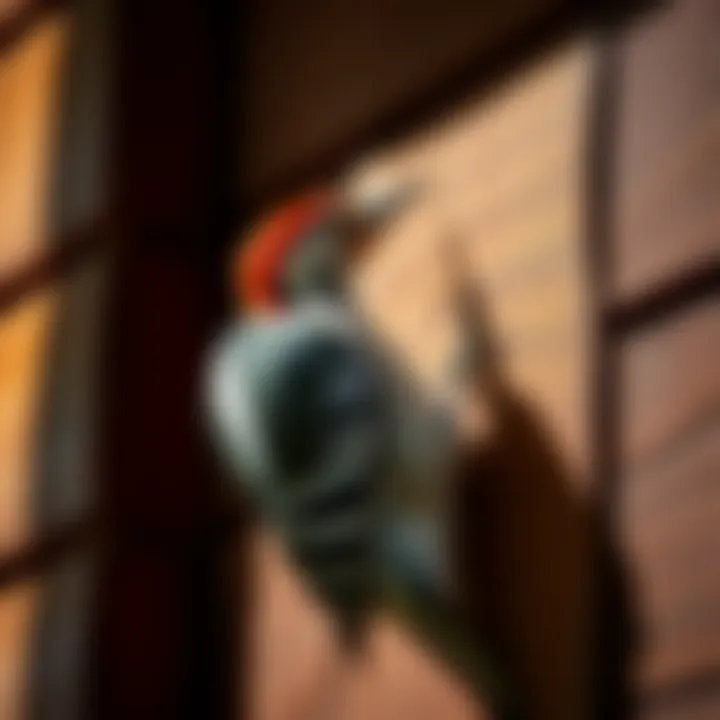
Woodpeckers are typically known for their distinctive coloring and shape. The most common varieties that create trouble for homeowners include the Downy Woodpecker, the Hairy Woodpecker, and the Northern Flicker. The Downy Woodpecker, small at around 6.5 inches, features a white belly and black-and-white patterned wings. Meanwhile, the Hairy Woodpecker closely resembles its Downy cousin but is larger, coming in at about 9 inches. The Northern Flicker stands out with its brown-spotted feathers and a distinctive downward swoop of the tail.
Signs and Symptoms of Infestations
Spotting a woodpecker in action is one thing; recognizing the signs of their incursions is another. Common indicators include:
- Drilled holes: Look for shallow or deep holes on wooden surfaces like siding, fascia boards, or even eaves.
- Wood shavings: Tiny bits of wood scattered beneath the spots where the woodpecker has been drilling are clear indicators of their activity.
- Drumming sounds: The unmistakable tapping sound, especially during the spring mating season, signals that these birds are not just visiting but actively marking their territory or seeking food.
- Nesting behavior: If you see a pair of woodpeckers repeatedly visiting the same spot, take notice; they might be considering nesting, leading to more destructive behavior ahead.
By recognizing these signs early, you can take swift action to mitigate the issues before they escalate.
Prevention Strategies
Home Maintenance Tips for Pest Prevention
There are several practical steps homeowners can take to discourage woodpeckers from utilizing their homes as a playground.
- Inspect and Repair: Regularly check for peeling paint, damaged wood, and other signs of wear on your property. Closing up any openings will deter woodpeckers from nesting.
- Sealing Holes: If you find existing holes, carefully seal them to prevent these persistent birds from returning. Make sure to use materials that they cannot chip away.
- Change Colors: Woodpeckers are often attracted to bright colors. If you plan to repaint, consider muted tones that may not entice them as much.
Natural Deterrents and Barriers
Using certain materials can help keep woodpeckers at bay naturally.
- Reflective objects: Hanging shiny items, such as aluminum foil strips or old CDs, can create visual disturbances that birds shy away from.
- Sound deterrents: Wind chimes or even recorded bird distress calls can confuse or annoy woodpeckers, persuading them to look elsewhere for food.
- Netting or mesh: Placing bird netting over eaves or problem areas can act as a physical barrier, preventing access while remaining unobtrusive.
Treatment Options
Overview of Chemical vs. Natural Treatments
Before reaching for chemicals, consider whether natural methods might suffice. Chemical treatments can provide a quick fix, yet they often come with risks to the surrounding environment and non-target species.
- Natural treatments: Opt for approaches such as chili powder mixed with water sprayed onto the affected areas. This mix acts as a deterrent due to its unpleasant taste for woodpeckers.
- Chemical repellents: If natural methods fail, you could consider bird-safe repellents, though they require careful application and monitoring.
Step-by-Step Guides for DIY Treatments
If you’re feeling particularly handy, here’s a quick DIY guide to creating a deterrent solution:
- Gather materials: You’ll need chili powder, water, and a spray bottle.
- Mix: Combine 1 tablespoon of chili powder with 2 cups of water.
- Spray: Apply the mixture to problem areas after testing a small section to ensure no adverse reaction.
- Repeat: Reapply every two weeks or after rain to maintain deterrent efficacy.
"An ounce of prevention is worth a pound of cure." Making small adjustments today can save you time and money in the long run, ensuring that your home remains a safe haven among the trees.
Understanding Woodpecker Behavior
Understanding the behavior of woodpeckers is pivotal for homeowners keen on minimizing damage to their properties. These birds are not just random visitors; they are drawn to homes for specific reasons. By gaining insight into these triggers, you can proactively manage their presence and employ effective deterrents.
Why Woodpeckers Visit Homes
Woodpeckers frequent residential areas mainly for three reasons: food, nesting, and territory establishment. When it comes to food, woodpeckers have a particular fondness for insects found in wooden structures, such as termites and ants. If your home has any signs of these pests, it can easily catch a woodpecker's eye. Nesting is another significant reason. Woodpeckers create cavities in trees, but when those are scarce—like in urban settings—they look for suitable substitutes, often turning to the wooden parts of houses. Furthermore, woodpeckers are territorial creatures; a good meal or nesting site can attract them for years, leading to repeat visits each spring.
Common Species of Woodpeckers
Several woodpecker species tend to invade homes, including the Downy Woodpecker, Hairy Woodpecker, and Northern Flicker. The Downy Woodpecker, while smaller, can do just as much damage as its larger cousins if given the chance. The Hairy Woodpecker, similar in appearance yet larger, is known for its loud tapping that can echo through neighborhoods. The Northern Flicker is distinctive, often found on the ground looking for ants before it begins its drilling. Knowing which woodpecker species are in your area not only helps in identifying them but also in understanding their specific behaviors and preferences.
Life Cycle and Seasonal Patterns
Woodpecker behavior fluctuates with the seasons, making timing critical for homeowners. Generally, the mating season starts in early spring, prompting more aggressive drilling as males compete for territory and attract females. During this time, you might notice increased activity around your home as woodpeckers proclaim their presence. After pairing, they will seek out suitable nesting sites, often pecking on your house to hollow out cavities. Understanding this life cycle helps you anticipate their behavior and take action before they cause significant damage.
"The best approach to managing woodpecker problems is understanding them. Knowledge is your first and most potent tool."
Finale to Section
By comprehending why woodpeckers are drawn to homes, identifying the common species, and recognizing their seasonal behavior, you equip yourself with the insights needed to counteract these avian visitors. Taking the time to observe and learn can save homeowners from frequent repairs and stress, and ensure your home remains a safe sanctuary against these persistent birds.
Identifying the Damage
Understanding the harm woodpeckers can inflict is crucial for any homeowner battling these persistent birds. Identifying damage early can save you a headache – and a hefty repair bill. The sooner you spot trouble, the quicker you can act, which may also lessen the chances of further damage occurring. When you know what to look for, you'll be equipped with the tools necessary to protect your home effectively.
Types of Damage Caused by Woodpeckers
Woodpeckers are not merely charming little creatures; they can wreak havoc on your home in several ways. Below are some of the most common types of damage:
- Holes in the Wood: Woodpeckers, attracted to the sound of insects under your home's exterior, peck holes to reach their prey. These holes not only look unattractive but can also expose your home to moisture and mold.
- Chipping and Bark Loss: In their search for food, these birds often strip away bark from trees or wooden structures, compromising the integrity of the wood. This kind of damage can lead to more serious structural issues over time.
- Cavities and Nesting Sites: Woodpeckers may choose to drill cavities in your siding for nesting, leading to significant unwanted entry points. These sites can become gateways for other pests, amplifying your pest control problems.
- Noise Disturbance: While not physical damage, the drumming sound made by woodpeckers can be a nuisance, disrupting daily life for you and your neighbors.
When woodpeckers start showing up, they often leave a trail of destruction in their wake that can be quite challenging to repair. Recognizing these signs early on will empower you to take action before the damage spirals out of control.
Signs of Woodpecker Activity
Keeping an eye out for specific indicators of woodpecker activity can help you stay one step ahead. Here are a few telltale signs:
- Percussive Drumming: If you hear a repetitive knocking or drumming sound on your home, it's likely woodpeckers are in the area, making their presence known.
- Visible Holes: Inspect the exterior of your home closely. Small holes often indicate feeding or nesting activity.
- Wood Shavings on the Ground: Finding wood shavings beneath trees or wooden structures is a clear sign of woodpecker activity. The presence of these shavings typically means that woodpeckers are foraging nearby.
- Peeling Paint: Sometimes, the impact from their pecking can cause paint to chip or peel, providing another visual cue.
- Flecks of Insect Remains: In instances where they are feeding on insects, you may find remnants scattered around the area.
Identifying these signs promptly can make all the difference in tackling woodpecker issues before they escalate. The key is to pay attention and remain vigilant. Address these signs with a proactive approach, and protect your investment from their unfortunate operational methods.
Remember: The sooner you identify the damage, the better you'll be at mitigating future issues.
Basic Woodpecker Deterrent Techniques
Understanding and implementing basic woodpecker deterrent techniques can play a significant role in keeping your home safe from unwanted intrusions. Woodpeckers can cause a heap of trouble, hammering on your wooden siding or eaves, leading to unsightly damage and potential structural issues. By applying these deterrent methods, homeowners can not only preserve their property but also safeguard their peace of mind.
Visual Deterrents
Visual deterrents are among the simplest yet effective methods for discouraging woodpecker visits. They rely on the principle that certain sights can scare away these birds, making your home less appealing.
Reflective Surfaces
Reflective surfaces, like aluminum foil strips or shiny tape, serve as a powerful deterrent for woodpeckers. The key characteristic of these surfaces is their ability to bounce sunlight in multiple directions, creating flashes that can startle birds.
These reflective materials are a popular choice because they are easy to install and inexpensive. Hang them from eaves, windows, or any affected areas. A unique feature is that they require little maintenance; just be mindful to replace them should they become worn out or lose their shine.
However, there's a downside. While effective, reflective surfaces may need to be combined with others methods over time since birds can become habituated to their presence if they remain unchanged for too long.
Decoy Predators
Utilizing decoy predators is another visual deterrent technique. This method involves placing lifelike models of birds, such as owls or hawks, around your property. The presence of these supposed threats can convince woodpeckers that your home is not a safe place.
The key here is the realistic appearance of the decoys; an authentic-looking owl can effectively mimic a natural threat. Decoy predators are beneficial since they can be reused year after year, making them a cost-effective choice.
However, it's essential to move decoys around periodically. If woodpeckers become familiar with a stationary decoy, they may ignore it.
Auditory Deterrents
Auditory deterrents take a more sound-based approach to keep woodpeckers away. These methods produce sounds that can disrupt a woodpecker's routine and make your property feel less hospitable.
Ultrasonic Devices
Ultrasonic devices exude high-frequency sounds that are inaudible to humans but can be quite irritating to woodpeckers. One significant characteristic is their continuous operation, emitting these sounds without needing human intervention. Ultrasonic devices are becoming increasingly popular for their ease of use since they simply require plugging in to work.
However, their effectiveness can vary. Some homeowners report success, while others find the results hit-or-miss. It's crucial to consider that these devices cover specific ranges, so multiple units might be necessary, depending on your home's layout.
Noise Makers
Lastly, noise makers, like wind chimes or motion-activated devices, can also work wonders. They utilize loud sounds to startle woodpeckers, which can help in deterring them.
One key characteristic is their ability to create a varying sound pattern; unlike static sounds, the randomness can keep birds on edge. Noise makers are popular due to their low-cost and easy setup. They also double as garden decoration, adding an aesthetic touch to your outdoor space.
However, it's worth mentioning that noise makers may attract other wildlife, which might not be the intended outcome. Over time, some woodpeckers might acclimatize to the sounds, reducing their deterrent effect.
In sum, combining visual and auditory deterrents can maximize effectiveness in preventing woodpecker problems. From reflective surfaces to decoy predators, each method offers unique benefits that homeowners should consider.
For further insights, refer to articles on wildlife management and deterrent strategies on U.S. Fish & Wildlife Service or state wildlife agencies.
Structural Modifications
Addressing woodpecker problems often requires fundamental changes to the structure of your home. Structural modifications are important because they offer a sturdy solution, providing both immediate relief and long-term protection against future intrusions. By reinforcing your home’s defenses, you can deter these pesky birds and prevent the potential damage they may inflict. Ultimately, making these modifications not only helps protect your property but also enhances its overall value and aesthetics.
Repairing Existing Damage
Before implementing any preventive measures, it's essential to assess and repair any damage already caused by woodpeckers. Ignoring this aspect can lead to further complications, including deterioration and even pest infestations. Conducting a thorough inspection helps identify areas that need immediate attention.
- Utilize durable materials during repairs to ensure the integrity of the structures.
- Consider employing professionals for extensive damage. An untrained approach may leave vulnerabilities unaddressed, paving the way for subsequent woodpecker activity.
- Seal cracks and holes effectively. Applying caulk can prevent not just woodpecker access, but other pests as well. A well-sealed area can act as a deterrent, inhibiting further intrusions.
Installing Woodpecker-Proof Barriers
To further safeguard your home from these determined birds, installing woodpecker-proof barriers emerges as a viable option. These barriers act as a physical deterrent, disrupting the birds’ drilling activities and protecting the integrity of your residence.
Wire Mesh
Wire mesh serves as a remarkable barrier against woodpecker interactions. Its robust construction provides both deterrence and resilience against persistent peckers. This specific aspect of wire mesh is what makes it a popular choice among homeowners who want to go the extra mile in safeguarding their properties.
- Key Characteristic: The strength of wire mesh means it can withstand not just woodpeckers but other larger wildlife as well, ensuring a more comprehensive protective measure.
- Advantages: Wire mesh is versatile and can be cut to fit various shapes and sizes around your home. It's relatively affordable and easy to install as a DIY project; adults can often handle this task with some basic tools.
- Disadvantages: One aspect to consider is that wire mesh might be less aesthetically pleasing. However, balancing function over form prioritizes home safety and preservation.
Netting Solutions
Netting solutions prove to be another effective means to fight woodpecker intrusions. This strategy opts for flexible barriers that can cover larger areas without obstructing broader views or sunlight. Its ability to adapt to irregular shapes makes it a reliable choice for unique architecture.
- Key Characteristic: Netting is lightweight yet durable, designed to endure harsh conditions while still compliant enough to adjust to variations in structures.
- Advantages: Since they are often available in various colors and styles, netting can potentially complement your home’s aesthetics better than traditional woodpecker deterrents.
- Disadvantages: A downside may include the requirement for regular maintenance. Over time, wear and tear can occur, and visibility of the netting can affect the overall view from windows or porches.
"Prevention is better than cure." By focusing on structural adjustments, homeowners can eschew the persistence of woodpeckers and secure their properties effectively.
Natural and Chemical Deterrents
When it comes to keeping woodpeckers from becoming unwelcome guests at your home, understanding natural and chemical deterrents is key. These methods can provide effective solutions to reduce the likelihood of woodpeckers causing damage at your residence. One great thing about these deterrents is that they often favor environmentally friendly options, making them appealing to homeowners concerned about sustainability.
Natural deterrents are especially valuable for a few reasons. First, they tend to be less intrusive to the environment as they can be derived from safe, organic materials. Second, they often rely on simple household items or local plants. In contrast, chemical deterrents can offer a more aggressive approach and can sometimes provide longer-lasting effects, although with them comes the need for cautious handling and awareness of safety concerns.
Both options have specific elements worth considering:
- Natural solutions can often be created at home, allowing you to customize what you use according to your specific situation.
- Chemical products can be more effective for long-term solutions but require careful application and consideration of local wildlife laws to ensure they don't harm the ecosystem.
Let's delve deeper into actionable strategies regarding both homemade and commercial chemical products for woodpecker control.
Homemade Deterrent Solutions
Crafting your own deterrents can be both an effective and rewarding approach to warding off woodpeckers. Here are some popular homemade solutions:
- Spicy Spray: Mixing water with cayenne pepper or hot sauce can create a spicy deterrent. The strong scent and taste can keep woodpeckers away.
- Vinegar Mixture: A solution made from equal parts of white vinegar and water can discourage woodpeckers from pecking at your siding or trim due to the strong smell.
- Soap and Water: A unique combination of soap and water sprayed on affected areas can create a texture that woodpeckers tend to avoid.
- Reflective Objects: Hanging CDs, aluminum foil strips, or reflective tape around areas being targeted by woodpeckers can frighten them away since they dislike highly reflective surfaces.
These natural solutions are not only cost-effective but also allow a bit of creativity. Just remember to reapply as needed, especially after rain or inclement weather.
Commercial Chemical Products
For those looking for a more potent way to manage woodpecker issues, commercial chemical products offer a variety of options. It is essential to opt for products specifically designed for avian deterrence to ensure safety and effectiveness. Some common types include:
- Bird Repellent Gel: This sticky substance can be applied to areas that woodpeckers frequent. They dislike walking on it, which discourages them from returning.
- Spray Repellents: There are many sprays available that contain ingredients that are unpleasant for birds. These often need to be reapplied after rain.
- Granules: Another approach involves placing granules around your property that deter birds due to unpleasant scents.
When choosing a chemical product, always read labels for proper application instructions and safety information. It’s also wise to consider the impact on local wildlife and pets, as well as understanding your local regulations regarding chemical use.
In summary, whether you opt for homemade remedies or commercial products, the goal remains the same: to create an inhospitable environment for woodpeckers while protecting your home from damage. Since woodpecker problems can often require multiple approaches, it may be beneficial to incorporate both strategies into your control efforts.
Remember, a proactive stance coupled with the right mix of natural and chemical deterrents can lead to a more peaceful coexistence with nature and protect your beloved residence.
Long-Term Prevention Strategies
Woodpecker intrusions present a challenge that requires thoughtful and sustained efforts. Long-term prevention strategies play a pivotal role in ensuring your home remains a sanctuary, free from the incessant pecking and potential damage caused by these birds. Understanding the dynamics of woodpecker behavior is essential in crafting a resilient environment where these creatures find little incentive to roost.
Habitat Modification
When it comes to keeping woodpeckers at bay, one of the most effective long-term strategies is habitat modification. This concept revolves around changing the elements of your environment to remove the attractions that draw them to your property.
1. Trim Trees Wisely
Woodpeckers are often lured by the insects residing in dead or dying trees. Regularly inspect the trees on your property and consider trimming or removing those that shows signs of decay. Additionally, if you have tall trees nearby, those can easily become nesting spots, so keeping their branches appropriately trimmed can discourage woodpeckers from settling in.
2. Use Insecticides:
If you notice a significant insect population infesting your trees or wood structures, it might be worth considering a professional pest control treatment. This won’t eliminate woodpeckers outright but may make your home less attractive by reducing available food sources.
3. Ornamental Landscaping:
Creating a less appealing habitat can have a profound effect. Replace grass patches with ornamental gardens that lack the insects woodpeckers eat. Planting certain flowers and shrubs can also serve to repel unwanted wildlife naturally.
By tailoring your landscape in this way, you create a less enticing habitat for these birds.
Regular Maintenance of Exterior


Keeping your home in top shape is another critical aspect of long-term woodpecker prevention. A well-maintained exterior not only preserves aesthetic appeal but also reduces vulnerabilities that woodpeckers might exploit. Here’s why regular upkeep matters:
1. Inspect and Repair Siding:
Holes, cracks, or peeling paint can give woodpeckers a legitimate reason to target your home. Carry out regular checks on siding materials, especially wooden structures that can attract them. Sealing any gaps effectively can help deter these birds.
2. Roof Maintenance:
Check for loose shingles or roof damage regularly. Woodpeckers often peck at roofing materials, seeking entry points for nesting. Securing your roof not only protects against the birds but also improves your home's overall integrity and insulation.
3. Regular Gutter Cleaning:
Clogged gutters can lead to water damage, and this might attract insects that woodpeckers feast on. By ensuring that they’re clean and functional, homeowners can mitigate possible attracting factors for woodpeckers and other pests.
Implementing these maintenance practices creates a barrier against woodpecker intrusions while ensuring your residence remains structurally sound.
Effective long-term strategies not only save homeowners from future damage but also support the overall health of your property.
Adopting a combination of habitat modification and regular maintenance can significantly minimize the risk of woodpecker problems. Plan ahead and infuse these strategies into your home care routine to safeguard against these intruders, allowing you to enjoy your living space without disturbances.
Dealing with Persistent Woodpecker Problems
Woodpecker issues can escalate quickly if not addressed properly. It's crucial for homeowners to recognize when their usual tactics aren’t doing the trick. This section not only delves into signs that the problem is more serious than previously thought but also highlights why timely intervention is needed. Letting the problem fester could lead to significant damage, affecting both structural integrity and property value.
When to Seek Professional Help
Sometimes, despite the best laid plans, woodpecker problems persist. Knowing when to throw in the towel and call for expert help is key to tackling this situation effectively. Look out for the following signs:
- Worsening Damage: If you notice increased pecking or new holes appearing on your property even after initial deterrents have been set, that's a red flag.
- Stressful Situations: If your home is within close range of extensive woodpecker habitats, and if they seem particularly aggressive or persistent, it might be wise to bring in the pros.
- Time Constraints: Not every homeowner has the time or inclination to engage in DIY strategies. If your schedule is tight, professional assistance might deliver quicker results.
A pest control specialist with experience in avian issues will not only assess the situation but also implement tailored strategies that can effectively mitigate the problem. They have access to resources and methods that may be less familiar to most homeowners. Ultimately, professional help can save you time, stress, and possibly avoid further damage.
Understanding Local Wildlife Laws
Before taking any action against woodpeckers, it’s vital to understand the local wildlife laws in your area. Many species of woodpeckers are protected by law, which makes it illegal to harm or remove them without specific permissions. Here are some considerations to keep in mind:
- Research Local Regulations: Check your state or local government’s wildlife regulations. Websites such as www.nrcs.usda.gov can offer a wealth of information.
- Permits and Permissions: Some situations might require obtaining a permit before addressing a woodpecker infestation. Laws vary greatly from one location to another, so it’s best to be informed.
- Non-Lethal Options: Many laws promote non-lethal deterrents first, so learning about these can aid in adhering to legal frameworks while addressing your problem.
Monitoring and Adjusting Your Approach
Managing woodpecker intrusions is not a one-and-done solution. It requires an ongoing effort to monitor your strategies and adjust them as necessary. This segment emphasizes that a flexible approach can make a significant difference in your success rate. Understanding how woodpeckers interact with your environment can lead to effective long-term management.
Evaluating the Effectiveness of Strategies
To gauge whether your current deterrent techniques are effective, regular evaluation is crucial. This means paying attention not only to visible outcomes, such as reduced woodpecker activity but also to subtle changes.
- Observe the Frequency of Visits: Take time to note how often the woodpeckers return. If you find them pecking away with no sign of retreat, it might be time to rethink your tactics.
- Check for New Damage: Assess if new holes or markings appear over time. This can indicate that your previous methods are not doing the trick.
- Time of Year Influence: Some strategies may work better during specific seasons. Knowing the natural behaviors of woodpeckers can guide your strategy adjustments.
"Adjustment is at the heart of any successful strategy; without it, the risk of complacency grows."
By being observant, homeowners can adapt their methods to the specific woodpecker problem they encounter. If one approach fails, don’t hesitate to try something else.
Keeping Records of Woodpecker Activity
Keeping a detailed log of woodpecker behavior and the effectiveness of your strategies is essential. It can provide invaluable insights that will help you in the following ways:
- Trend Analysis: Record the specific dates and times of woodpecker sightings. By doing so, you can form a picture of their habits, which can inform your control measures.
- Strategy Effectiveness Tracking: Note what methods you’ve applied and when. Did a shiny surface really deter them, or did they return regardless? This information is vital for understanding what works and what doesn’t.
- Pattern Recognition: Patterns in behavior may become apparent over time. Perhaps the woodpeckers tend to visit earlier in the spring, leading you to adjust your proactive strategies to anticipate their arrival.
Creating this log doesn’t have to be overly complicated. A simple notebook or a spreadsheet can do the job. Regular updates can inform your wider strategy and keep you aware of any necessary adjustments.
Overall, both evaluating the effectiveness of your tactics and maintaining thorough records can dramatically enhance your abilities to deal with woodpecker problems more sustainably. With diligence in monitoring, adjustments can be made quicker, leading to proactive solutions that minimize damage and enhance your living environment.
Finale
In summing up this detailed guide on managing woodpecker issues, it’s vital to recognize that tackling intrusions requires a thoughtful approach. Woodpeckers, while appealing in their own right, can pose significant challenges when they seek refuge or food in residential spaces. Addressing this problem not only protects your property but also allows for a harmonious coexistence with nature.
This article offers several key strategies, ranging from simple deterrents to more involved structural modifications. Homeowners must stay vigilant and proactive, as understanding the root causes of woodpecker attraction—such as food sources and nesting spaces—can greatly aid in developing effective strategies. Additionally, monitoring woodpecker activity and assessing the effectiveness of your chosen deterrents ensures that you’re not merely chasing tail feathers.
Moreover, taking timely measures to repair existing damage can prevent more costly repairs down the line, emphasizing the importance of immediate action. If all else fails, professional assistance may be considered, but ideally, homeowners should aim to manage these intrusions independently through consistency and creativity.
"A stitch in time saves nine."
By internalizing these fundamentals presented here, you set the stage for both the protection of your home and the preservation of these fascinating birds, promoting a balance that benefits all.
Summary of Key Points
- Understanding woodpecker behavior is crucial for effective management.
- Regular monitoring and documentation of woodpecker activity can provide insights for choosing the best deterrent strategies.
- Simple visual and auditory deterrents can be effective, while structural modifications offer long-term solutions.
- Timely repairs prevent larger issues, and knowing when to seek help is an integral part of the process.
- A proactive mindset enhances your ability to control woodpecker presence in a sustainable way.
Encouragement for Proactive Management
Take heart, homeowners! You’ve got the tools at your disposal to effectively manage woodpecker intrusions. Start by implementing the strategies outlined in this article. Don’t just rely on chance or temporary fixes; be the captain of your own ship in this matter.
Engage with your neighbors, share insights, and possibly build collective strategies to address local woodpecker populations. Staying proactive not only aids your personal situation but contributes to a community approach that respects wildlife and their habitats.
So, roll up your sleeves and get to work! Understanding the natural world around you empowers your home defense against unwanted woodpecker guests. By taking consistent measures and making informed choices, you can cultivate a space both lovely for you and considerate of the local fauna.