Little Silver Bugs: Identification and Management
Intro
Little silver bugs, often overlooked amidst the commotion of daily life, play a surprisingly impactful role in our homes and ecosystems. These small insects, typically mistaken for harmless pests, can create significant challenges once they settle in. Homeowners might only catch a glimpse of them scurrying across a countertop or lurking in the corners, prompting questions about their identity, behavior, and the implications of their presence.
Understanding these creatures delves beyond mere identification; it hints at their behavioral patterns, what draws them into our personal spaces, and ultimately, how one can effectively manage their populations in a way that respects the ecological balance. This article aims to bridge knowledge gaps for homeowners and pest control professionals alike, providing a thorough investigation into little silver bugs, their unique traits, and how they can be managed responsibly.
In the sections that follow, we will explore key highlights, including pest identification, effective prevention strategies, and treatment options. The goal is not just to remove these pests, but to equip you with practical, evidence-based approaches to manage them with a keen awareness of their role in the environment.
As we peel back the layers of mystery surrounding these bugs, it’s vital to understand the signs and symptoms of an infestation. Equipped with this knowledge, you can take appropriate measures to protect your home without unwittingly disrupting the delicate balance of the ecosystem. Let's begin our journey into the intricate world of little silver bugs.
Foreword to Little Silver Bugs
Little silver bugs, though often overlooked, wield a significant influence in household ecosystems. These tiny insects can sneak into your home, leaving little trace behind but potentially larger problems in their wake. Understanding them serves more than just an academic purpose; it equips homeowners with knowledge to tackle unexpected pest issues head-on.
A comprehensive grasp of these bugs can make all the difference in maintaining a healthy living environment. As we delve deeper into the characteristics, behaviors, and ecological roles of little silver bugs, we aim to shed light on their often-misunderstood nature.
The hidden impact of these pests can range from mild annoyances to more serious concerns. By shining a spotlight on them, readers can expect to learn how to manage and mitigate their presence effectively while also recognizing their role in the ecosystem.
Defining Little Silver Bugs
Little silver bugs, commonly identified by their metallic sheen and small size, belong to various insect families, with some being more recognizable like silverfish. These pests can vary in size, generally falling within a range of 0.5 to 1 inch long, and exhibit elongated, slender bodies that taper towards the end.
Despite their scarce visibility, these insects play interesting roles in the homes they invade. As scavengers, they may consume a variety of materials, including paper and starchy substances, which can go unnoticed until damage starts to manifest.
In many cases, little silver bugs are harmless, though their appetite for household items makes them a concern.
Recognizing them includes noting their reproduction habits and preferred habitats, which are crucial for preventative actions—all these details will be elaborated on throughout this article.
"By understanding little silver bugs and their behaviors, we can navigate the complexities they introduce to our homes."
In sum, identifying little silver bugs, their traits, and their general tendencies not only feeds our curiosity but lays the foundation for successful pest management. Exploring this subject further could foster both peace of mind and protect household integrity.
Physical Characteristics
Understanding the physical characteristics of little silver bugs is crucial for several reasons. First, it allows homeowners to identify these insects accurately, ensuring that appropriate measures are taken for pest control. Recognizing their size, shape, and coloration helps differentiate them from other pests that might invade a home. Additionally, awareness of these characteristics can guide preventive actions to avoid infestation. The more you know about what these bugs look like, the better prepared you'll be to handle an encounter or a potential problem.
Size and Shape
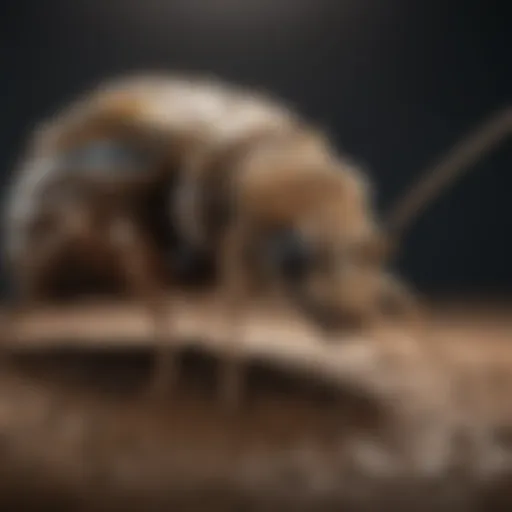
Little silver bugs, also known as silverfish, typically measure around 0.5 to 1 inch in length. The slender, elongated shape, often resembling a tiny carrot, is one of their defining features. When observing them, you will notice that their bodies are somewhat flattened, which enables them to squeeze into tight corners, cracks, and crevices with ease. This is quite advantageous for them as they search for food and moisture, allowing them to remain hidden from plain view.
One notable aspect is their antennae, which are long in proportion to their body. These antennae can exceed the length of the body itself, making them appear even longer than they actually are. When you look at a silverfish, its three long cerci at the rear further accentuate its unique shape. Such distinguishing features provide insight into their movement and behavior; they are nimble, darting quickly when disturbed by light or movement, which explains why they often go unnoticed.
Coloration and Texture
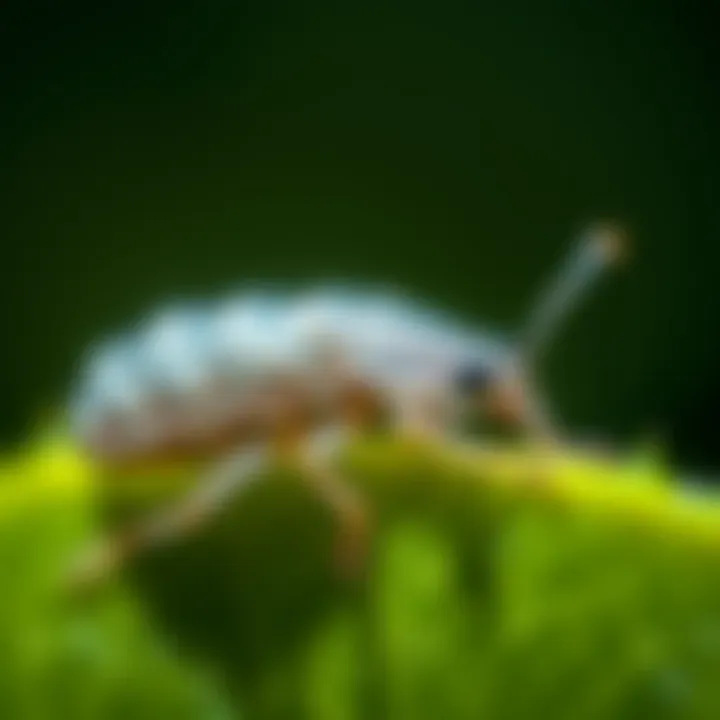
The coloration of little silver bugs can sometimes cause confusion. They usually sport a silvery-gray hue that can appear reflective under light, contributing to their name. However, depending on their environment, they might also take on a duller shading, blending seamlessly with their surroundings. Understanding these color variations can be vital when trying to identify them in your home.
The texture of their outer body is another important characteristic. It tends to be smooth and shiny, giving them that metallic look. This shiny coating can make them easier to spot against darker backgrounds. Note that when touched, these insects feel somewhat firm due to the chitinous exoskeleton that protects them from environmental hazards. Being familiar with both the color and texture can help a homeowner determine if what they see is indeed a silver bug rather than other household insects.
Remember: Recognizing little silver bugs not only helps in accurate identification but also aids in understanding how to deal with them effectively. Information is power when tackling pest issues!
Life Cycle and Behavior
Understanding the life cycle and behavior of little silver bugs is crucial for effective pest management. Their patterns can reveal how to prevent an infestation or control their presence in domestic settings. Knowledge about their life stages and habits can help homeowners prepare for potential issues, ensuring a proactive approach rather than a reactive one. The overarching goal is to equip readers with a detailed insight into the fascinating tapestry of these small creatures' lives, helping to mitigate their impact.
Reproductive Habits
Little silver bugs, belonging to the silverfish family, have rather interesting reproductive habits. They often engage in courtship rituals that may seem peculiar to the untrained eye. Males will often dance around females, vibrating or flicking their abdomens to win them over. After a successful mating encounter, females can lay multiple eggs - sometimes as many as 20 at once - in secluded, moisture-rich environments.
This reproductive strategy plays a significant role in their survival. When conditions are favorable, such as in warm and humid spaces, these insects can reproduce quickly, leading to large populations in a short period. This creates challenges for homeowners. Since the eggs are often laid in hidden places like crevices, behind appliances, or even under floorboards, it can be tricky to find and eliminate them. Here’s a closer look:
- Optimal Conditions: They prefer warm and humid areas, making kitchens, bathrooms, and basements prime real estate for reproduction.
- Egg Hatching: The eggs hatch in about two weeks under the right conditions. Understanding this timeframe can aid in planning prevention methods.
- Maturity: It generally takes a few months for them to reach adulthood, but environmental factors can stretch or shorten this period.
Feeding Patterns
The feeding habits of little silver bugs are equally intricate. They are primarily nocturnal creatures, seeking food when it's dark and quiet – a characteristic that adds a layer of challenge when it comes to controlling them. Their diet consists mainly of organic materials such as paper, glue, and other starchy items. This menu choice stems directly from their anatomical adaptations, including specialized mouthparts that allow them to scrape and consume materials found in homes.
- Diet Preferences: Beyond the expected choices like paper or cardboard, they are also drawn to damp materials, including mold and mildew, which makes areas with high humidity especially attractive to them.
- Impact on Housing: Their feeding behavior can cause significant damage, particularly to old books and documents. Homeowners may find that these pests create holes or observable wear in precious items over time.
- Competition for Resources: Since they often share their habitats with other pests, understanding their feeding patterns can illuminate the competition dynamics and how one species' presence might affect another.
In summation, grasping the life cycle and behavior of little silver bugs sets the framework for effective management strategies. Being informed of their reproductive habits and feeding patterns allows homeowners to better implement preventive measures and reduce the likelihood of encounters with these pests.
Understanding these behaviors can be invaluable. "An ounce of prevention is worth a pound of cure" still rings true when dealing with these small intruders.
Habitat and Distribution
The habitat and distribution of little silver bugs are crucial factors in understanding their behavior and impact. Knowing where these insects thrive allows homeowners to predict potential invasions and adapt their management strategies accordingly. Their preferred environments reveal key aspects about their lifestyles, feeding habits, and interaction with their surroundings.

Preferred Environments
Little silver bugs are often found in moist and warm areas, which provide not only the necessary humidity but also protection from predators and harsh weather conditions. These bugs have a remarkable ability to adapt, making them resilient to various environments.
Here are some of the most common places where you might encounter them:
- Homes: Particularly in kitchens or bathrooms where moisture levels are high. These areas create perfect havens for these bugs, allowing them to access food and water easily.
- Gardens: Little silver bugs can be spotted in damp soil or beneath mulch where they can find organic materials to feed on.
- Basements: Often overlooked, basements can harbor these pests if they’re damp and poorly ventilated. Conditions in such spaces are often conducive for their reproduction.
- Nearby Vegetation: They frequently inhabit gardens or grassy areas where moisture from dew and rain accumulates.
The ability of little silver bugs to infiltrate diverse habitats can render them a nuisance. As these bugs spread, they not only affect the aesthetic of the home but can also influence its structural integrity if their population grows significantly.
"Understanding where little silver bugs thrive allows for proactive measures in pest management."
Their distribution isn’t uniform, as factors like climate conditions play significant roles. For instance, regions with higher humidity and moderate temperatures may encourage stronger populations. This adaptability, coupled with their elusive nature, makes it vital for homeowners to develop strategies that mitigate their impact.
By grasping the intricacies of their habitat preferences and distribution patterns, homeowners can better anticipate and manage these little critters. When equipped with this knowledge, targeted prevention and treatment measures become achievable goals.
Ecological Role
The ecological role of little silver bugs, often overlooked, runs deeper than merely being a nuisance in homes. Understanding these creatures' contributions to our ecosystems can transform how we perceive them and manage their populations.
Contribution to Ecosystems
Little silver bugs play a part in various ecosystems, particularly in soil health. These insects participate in the decomposition process, breaking down organic material like leaves and dead plants. As they munch on decaying matter, they help enrich the soil, which can promote plant growth. This cycle of consumption and nutrient recycling plays an important role in maintaining a balanced ecosystem.
Their presence can also indicate a healthy environment. Populations that thrive in gardens or backyards often signal good plant health and biodiversity, serving as an indicator species. When the little silver bugs are proliferating, it often means microbial activity in the soil is high, leading to improved soil structure and fertility.
Moreover, these insects can be prey for a variety of other creatures, such as birds and other beneficial insects. In a typical food web, they fit snugly into the diet of small predators. This relationship illustrates the interconnectedness of life, showcasing how the removal or neglect of a small species can disrupt a much larger ecological balance.
Interactions with Other Species
The dynamics between little silver bugs and other living organisms are crucial. These insects are often seen dining on algae and fungi, which may help control their populations. In this way, they become part of a natural pest management system. When their populations are kept in check, they help ensure that no one species becomes too dominant in an ecosystem.
However, there is also the other side of the coin. As beneficial as they can be, these bugs may act as hosts for parasites or diseases. For example, certain fungi can infect little silver bugs, which then could spread pathogens to other species, including plants. This potential threat makes their interactions quite the double-edged sword. Looking closely, however, these ecological roles speak to the intricate balance found in nature.
In gardens, their interactions not only aid in the prevention of plant diseases but also facilitate the pollination process indirectly by maintaining a balanced insect population. Gardeners often overlook this nuance, failing to realize how crucial these tiny creatures are in moderating the balance of pests and pollinators.
In summary, while little silver bugs may catch your eye as tiny invaders in your home, their role in ecosystems should prompt a reconsideration. They offer crucial benefits, contributing to soil health, supporting food webs, and maintaining ecological balance. Engaging with their ecological role helps us appreciate the complexity and fragility of our environments.
Pest Status of Little Silver Bugs
When it comes to household pests, little silver bugs often fly under the radar. However, understanding their pest status is crucial for maintaining a healthy living environment. Many homeowners may not realize the significance of these seemingly harmless creatures until they become a nuisance. Addressing the pest status of little silver bugs can provide clarity on their behaviors, potential for damage, and the best strategies for management.
The relevance of this section cannot be overstated. Not only does it shed light on levels of infestations, it supports homeowners in identifying whether these insects are merely a nuisance or a bigger problem lingering just beneath the surface. For instance, knowing that little silver bugs can thrive in damp areas means that you need to keep your environments dry or else risk them multiplying faster than you can say "pest control."
Additionally, understanding this pest status helps demystify several common misconceptions that might circulate among the general populace. Below, we dive deeper into the most prevalent myths surrounding these little invaders.
Common Misconceptions
Many misconceptions surround the little silver bugs that can skew perceptions and potentially lead homeowners astray when it comes to effective management. Here are some of the most prevalent myths:
- They Are Always Harmful: While it's easy to lump all bugs into the "harmful" category, little silver bugs, such as silverfish, mainly feast on starches and sugars. They prefer items like paper and fabrics rather than damaging wooden structures or causing foundational issues. So, while annoying, they won't usually compromise the physical integrity of your home.
- They Jump Like Fleas: A common belief is that these bugs can leap high, contributing to the misconception of them being more dangerous than they are. In reality, they can scuttle quickly but lack the ability to jump.
- They Indicate Poor Hygiene: Just because little silver bugs appear in a home, doesn’t mean it’s dirty. Often, they’re simply searching for moisture or an organic material to munch on. An old book on the shelf or a damp corner in your basement might just happen to be their sanctuary.
- DIY Treatments Always Work: Many people think that DIY solutions are foolproof fixes. However, if infestations persist, it may indicate underlying moisture problems or a more extensive infestation requiring professional intervention.
Understanding these misconceptions helps to shift the focus from fear-based reactions to more informed, rational strategies that lead to effective pest management. Identifying these nuances can foster a healthier home and safeguard your space from the unnecessary panic surrounding little silver bugs.
As with many pest-related issues, the more you know, the better equipped you are for proactive action. For further reading and resources on understanding more about pest management, consider visiting Pest World or your local university’s extension program available at [*.edu].
"Knowledge is Power"
Recognizing the true pest status of little silver bugs, paired with debunking common myths, lays a solid foundation for effective management strategies. Stay tuned as we explore how to identify these bugs visually and take the next steps in prevention.
Identification Techniques
Identifying little silver bugs is a crucial step in managing their presence in homes. Understanding their specific traits is not just child’s play; it's the backbone of a successful pest control strategy. Identifying these bugs correctly can help homeowners differentiate between harmless insects and those that may pose a threat to their home or health.
By recognizing these creatures, one can determine the most effective methods of treatment or prevention. Misidentification could lead to unnecessary treatments, expense, and potential environmental harm.
Here are some specific elements to consider when identifying little silver bugs:
- Focus on Size: Most little silver bugs are relatively small but can be confused with other insects. Pay attention to the actual dimensions.
- Observe Color and Texture: The shiny exterior is a hallmark of many silver bug species. Their distinctive coloration can be a key identifier.
- Behavioral Patterns: How these bugs move can help in identification. Certain species have unique movements or feeding habits that can distinguish them from similar pests.
- Location Specificity: If you consistently find these bugs in a particular area of your home, it might be linked to their preferred habitats.
Understanding these identifiers can make the difference between a quick fix and a drawn-out battle against pests. For every homeowner, having a solid grasp of how to visually identify these bugs is essential.
Visual Identification
Visual identification of little silver bugs can seem daunting, yet with some practice, anyone can become adept at recognizing them. When it comes to this task, details reign supreme.
- Appearance: Little silver bugs usually have a sleek, oval body shape. They often gleam under light, which is how they earn their name. In specific lighting, they can almost appear metallic.
- Coloration: Look for a luminous silver-gray hue, often shiny or reflective. This can be a big giveaway when distinguishing them from other pests like ants or moths.
- Legs and Antennae: A keen eye may notice that these bugs have long legs and prominent antennae, characteristics that further help in the identification process.
"Identifying little silver bugs accurately can lead you to effective management measures while helping to preserve beneficial insects."
An effective way to check your observation is by comparing your findings against online resources. For instance, sites like Wikipedia or Britannica houses rich information.
Moreover, if you have a smartphone, considering using insect identification apps can provide real-time feedback. Alternatively, participatory forums like Reddit allow users to upload pictures and receive insight from fellow pest enthusiasts.
A good practice is to take notes on what you observe. Not just for your reference but for when you might consult a pest control professional. It can be insightful to have a documented account of what you’ve experienced.
Impact on Homes
Understanding the impact of little silver bugs on homes is crucial for homeowners who wish to maintain a comfortable and healthy living environment. These pests are often more than just a nuisance; their presence can lead to potential damage and health concerns. By recognizing their influence, homeowners can take informed steps to mitigate problems before they escalate.
Damage Potential
Little silver bugs have a knack for finding their way into the most unsuspecting corners of your home, often leading to significant consequences. While they might not seem harmful at first glance, these bugs can wreak havoc in ways that catch many off guard. It’s not only about finding them crawling on surfaces; the real concern lies in the damage they can cause to personal belongings and structures.
Sofas, curtains, and carpets may unknowingly serve as breeding grounds for these insects, ultimately undermining the aesthetic value of your home. Even more alarming, their tendency to nibble on paper products, such as important documents and books, raises valid concerns about protecting valuable items.
- Furniture Damage: Upholstered items can suffer stains or wear from silver bug excrement, leading to costly replacements.
- Structural Concerns: Over time, infestations can lead to a decline in the integrity of wooden structures, particularly if moisture is involved.
- Cosmetic Damage: Infestations may lead to visible staining, resulting in a less appealing living space.
"An unstopped issue with these bugs can turn your home sweet home into a headache."
Recognizing early signs of an infestation is key. Homeowners are encouraged to conduct routine checks in commonly affected areas. Effective monitoring can potentially save significant repairs and expenses later on.
Health Implications
The presence of little silver bugs may also pose health concerns for families. Although not known to transmit diseases, their presence can contribute to a variety of problems. For those with allergies or respiratory conditions, the effects can be magnified.
The droppings and shedding from these insects could act as allergens, intensifying conditions such as asthma or other respiratory irritations. Homes with compromised indoor air quality may experience increased incidences of health issues, particularly among vulnerable populations like children or the elderly.
- Allergic Reactions: Exposure to their excrement can trigger asthma and increase allergy symptoms.
- Infection Risk: While the insects themselves do not carry viruses, the areas they infest can become exposed to other microbes due to their presence and behavior.
- Mental Stress: The psychological impact of an infestation can also be significant, causing homeowners to feel uneasy or worried about their living conditions.
It is essential for homeowners to realize that the effects of silver bugs extend beyond mere irritation. The interplay of discomfort and potential health risks necessitates a prompt and strategic approach to pest management, ensuring a harmonious living environment and peace of mind.
Prevention Methods
Preventing little silver bugs from invading your space is crucial for maintaining a healthy and comfortable home environment. Without some forethought and precaution, these pests can easily take up residence in your home. Effective prevention methods not only help in keeping your sanctuary bug-free but also empower homeowners by instilling a sense of control over their surroundings. It’s often far easier to take measure to prevent an infestation than it is to eliminate one once it’s established.
Environmental Controls
Implementing environmental controls can significantly reduce the allure of your home for these pests. One of the key strategies is managing moisture levels. Little silver bugs thrive in damp settings, so it’s important to keep your environment dry. Ensure that plumbing leaks are repaired promptly and that areas prone to humidity, like bathrooms and kitchens, are well-ventilated.
Another essential factor is regular cleaning. A clean home is less inviting to pests. Diligently vacuuming areas to erase crumbs and food residues can help. Additionally, keep the backyard neat by trimming overgrown shrubs or removing any debris that could serve as a shelter for these bugs. Cultivating a barrier of gravel or mulch around the foundation of your home can also help, deterring bugs from easily accessing it. Here’s a short list of practical environmental controls:
- Repair water leaks in plumbing.
- Use dehumidifiers in damp areas.
- Regularly clean and vacuum living spaces.
- Trim shrubs and plants near the house.
- Create barriers with gravel or mulch.
Adopting these practices creates an atmosphere that’s not just uncomfortable for bugs but also lessens their chances of finding an entry point into your home.
Home Maintenance Strategies
It’s also vital to implement proactive home maintenance strategies that deter little silver bugs. This begins with sealing potential entry points. Small cracks and gaps in walls, windows, and doors can serve as gateways for these pests. Inspect your home’s exterior regularly and use caulk or weather stripping to seal these vulnerabilities.
Proper insulation also plays a role in prevention. Ensuring that your home is well-insulated minimizes the chances of temperature fluctuations that can attract pests. Furthermore, maintaining a clean and clutter-free environment inside lowers the likelihood of an infestation. Here are some strategies to consider:
- Seal cracks and gaps around windows and doors.
- Ensure proper insulation throughout the home.
- Maintain minimal clutter that may provide hiding spots.
- Store food in airtight containers.
- Regularly dispose of garbage and recycling.
Home maintenance requires a small time investment but can lead to substantial long-term benefits. By implementing these strategies, homeowners can create an unwelcoming environment for little silver bugs, thus promoting health and comfort in their living spaces.
"An ounce of prevention is worth a pound of cure." This age-old adage rings particularly true when it comes to pest management. Taking decisive action now can save headaches and expenses later on.
Treatment Options
When it comes to addressing the presence of little silver bugs, understanding the various treatment options available is key for homeowners. It is essential not only to identify the right method but also to consider factors like safety and environmental impact. This section will delve into natural remedies and chemical treatments, providing a well-rounded look into effective strategies for managing these pests.
Natural Remedies
Natural remedies have gained significant traction in recent years, appealing to those looking for eco-friendly and safer alternatives to chemical treatments. Despite being less potent than synthetic pesticides, these methods can effectively minimize or eliminate little silver bugs from your home environment. Here are a few noteworthy options:
- Diatomaceous Earth: This finely milled powder, derived from the fossilized remains of tiny aquatic organisms, can be sprinkled around areas where you suspect bug activity. It works by piercing the insect's exoskeleton, ultimately leading to dehydration. A sprinkle here and there can keep these pests at bay.
- Essential Oils: Oils such as peppermint, tea tree, and lavender are known for their insect-repelling properties. Mix a few drops with water in a spray bottle and apply it to entrances and other problem areas. The pleasant smell is a plus for your household, while the bugs find it most unwelcoming.
- Soap Sprays: A simple solution of liquid soap and water can deter these bugs. The soap clogs the spiracles that insects use to breathe, rendering them helpless. Simply mix a tablespoon of liquid soap in a quart of water, and spray it directly onto the little silver bugs.
These remedies not only provide a pest management solution but also ensure that your living space remains safe for generations to come, especially in households with children and pets.
Chemical Treatments
While natural treatments have their appeal, there are scenarios where stronger measures are required. Chemical treatments can deliver quicker results and are often necessary in cases of severe infestations. However, caution is paramount; knowing when and how to use these products can make all the difference:
- Insecticide Sprays: Ready-to-use insecticides are available in store and are designed to take out a variety of pests, including little silver bugs. It’s often beneficial to look for products labeled safe for indoor use. Always carefully follow the application instructions and safety guidelines included with the product.
- Granular Insecticides: These are generally used outside, particularly around the foundation of your home. They can attract and kill little silver bugs before they venture inside. Apply a thin layer to the soil or grass in close proximity to your home's entryways.
- Boric Acid: This compound has been a staple in pest control for years. When ingested by the bugs, it disrupts their digestive systems. You may choose to sprinkle it in cranny and nook, making sure to use it with care to avoid human or pet contact.
It’s important to consider that while chemical treatments provide immediate solutions, they can have broader implications. Over-reliance on such products may lead to resistance, making pests harder to control over time. Thus, combining these methods with preventive measures is the recommended path forward.
In summary, homeowners have options at their disposal when it comes to battling little silver bugs. Both natural and chemical treatments have their places, but thorough understanding and cautious implementation are crucial for effective pest management.
For further reading and resources on pest control methods, you might find these links helpful:
Professional Pest Control Assistance
Engaging with professionals in pest control isn't merely an option; it's a necessary step when addressing the challenges posed by little silver bugs. These insects can multiply swiftly, making it imperative for homeowners to know when to enlist expert help.
Professional pest control services offer several benefits. First and foremost, they bring specialized knowledge. Trained pest control technicians are well-versed in the biology and behavior of little silver bugs. They assess infestations accurately and know precisely what strategies to employ. This expertise is especially crucial in avoiding the common DIY traps that can lead to ineffective measures or even exacerbate the problem.
Moreover, professionals use tools and treatments that aren't typically available to the average homeowner. For instance, they might implement integrated pest management strategies, combining chemical treatments with habitat modification for more sustainable and long-term solutions. This approach not only eliminates pests but also minimizes ecological impact, an aspect that's becoming increasingly important to many homeowners seeking green solutions.
In certain circumstances, the mere presence of little silver bugs can be a signal of larger underlying issues, such as moisture problems or structural weaknesses. Pest control experts can identify these issues, providing insights that go beyond eradication, hence protecting your home's integrity and value.
"When it comes to pest control, swift action can save more than just comfort; it can preserve your home."
When to Seek Help
Knowing when to call in the cavalry is key. If you notice that little silver bugs are becoming more than just an occasional sighting and are multiplying or spreading, it’s time to think about professional help. Here are some specific signs:
- Significant Increase in Numbers: If you spot a growing number of little silver bugs, it's often a clear indication of an established infestation.
- Unusual Behavior: When you see these bugs during the day—if they are usually nocturnal—this could suggest that their settlement has become more prominent.
- Failed DIY Methods: If you've tried home remedies or pest control solutions without success, professional intervention is likely your best bet.
- Property Damage: Finding signs of damage to fabric or other materials is a serious red flag. It implies that the infestation is impacting the structure and contents of your home.
Contemplating professional pest control means more than tackling the immediate issue; it’s about fostering a healthy environment within your home. Homes can be sanctuaries, and if little silver bugs disrupt that peace, getting expert assistance can bridge the gap between chaos and tranquility.
Case Studies
Case studies serve as vital components in understanding the practical implications of managing little silver bugs. They provide real-world examples that shed light on the challenges and successes associated with these often-overlooked pests. Through specific instances, one can observe firsthand approaches, strategies employed, and ultimately the outcomes that homeowners faced in their battle against these insects.
Importance of Case Studies
The significance of these studies cannot be overstated. They present a unique opportunity to:
- Gather Insights: Actual experiences offer direct insight into what works and what doesn’t when addressing little silver bug infestations.
- Communicate Best Practices: Successful management behaviors and innovative strategies can emerge from studying these real-life cases, shaping future guidelines for homeowners.
- Assess Impact: Observing how specific actions influence an infestation gives clarity on the potential ecological repercussions of various pest control methods.
- Learn from Others: Homeowners can avoid the pitfalls experienced by others, saving time and resources through shared insights.
Additionally, real-life examples resonate more significantly with a reader’s perspective. When others share their stories, it creates a sense of community and support among house owners. Understanding that you’re not alone in facing these issues can inspire action and encourage proactive measures.
Successful Management Experiences
Here are examples of successful management experiences with little silver bugs:
- Homeowner in Suburban Texas
After observing a spike in little silver bugs around their kitchen, a Texas homeowner adopted an all-natural insecticidal soap solution devised by a local extension office. Not only did this eliminate the immediate problem, but it also reduced the reoccurrence by treating potential habitats within their home. - Urban Apartment Dilemma
A couple in a high-rise apartment faced relentless little silver bug sightings, particularly near their windows. They embarked on a thorough cleaning routine and sealed openings around the frames. They documented their strategies through social media, eventually leading to a community-wide chat that engaged others experiencing the same issue, resulting in a collective pest prevention effort. - Family Business Case
Owners of a local café in Florida found their establishment overrun by the little nuisances. They hired a pest management professional who integrated both chemical and non-chemical solutions. This case illustrates the effectiveness of professional input when DIY efforts have been exhausted.
These examples highlight different facets of dealing with little silver bugs—from DIY tactics to seeking professional help. They not only show the resilience homeowners can summon but also emphasize the importance of community solutions and shared information in combating infestations.
"In retrospect, each decision we made contributed to the overall success. It takes a village, even in pest control!"
- A Texas homeowner reflecting on their experience.
Future Research Directions
In the ever-evolving sphere of pest management, recognizing and understanding little silver bugs is paramount. Future research in this area not only reinforces existing knowledge but also opens avenues for innovative pest control strategies. As our environment changes, these insects adapt, which makes ongoing studies essential to keep homeowners informed and equipped.
Looking ahead, there are a few key elements that deserve emphasis:
- Behavioral Studies: Diving deeper into the behaviors of little silver bugs under varying conditions will help define their triggers and survival mechanisms. This understanding can lead to targeted management practices that are both effective and sustainable.
- Ecological Impact: Understanding how these bugs fit into the broader ecosystem spaces, including their roles in nutrient cycling, is crucial. By deciphering these relationships, we can better appreciate their place in the natural world and manage their populations accordingly.
- Sustainable Practices: As more individuals become environmentally conscious, research focused on organic and less harmful treatments is vital. Exploring the efficacy of botanicals and natural repellents opens pathways to pest control that minimises damage to the environment while managing populations effectively.
- Integration of Technology: Advancements in technology, such as app-based pest identification tools and drones for monitoring infestations, could revolutionize how pest management is approached. Research into these innovative solutions could provide homeowners with real-time data, improving response times and effectiveness.
"The true measure of success in pest control can often be gauged by how well we balance management with ecological integrity."
Initially, the benefits of focusing on future research encompass enhanced safety for both people and pets, reduced reliance on chemical treatments, and a gradual shift towards a more comprehensive understanding of pest dynamics. Homeowners, in turn, can make informed decisions that not only manage pest presence but also support a healthy environment.
Considering the variety of factors at play, a multifaceted approach grounded in both scientific inquiry and community engagement will be crucial. It is essential for researchers to collaborate with homeowners, pest control experts, and ecologists in gathering data that addresses real-world concerns.
In summary, the future of pest management with respect to little silver bugs presents a fertile ground for discovery and innovation. By investing in research, stakeholders can remain proactive rather than reactive, leading to solutions that significantly improve the efficacy of pest control strategies.
Culmination
The conclusion serves as the final touchstone of our exploration into little silver bugs and their multifaceted impact. It becomes crucial to encapsulate the key discussions, guiding homeowners and pest control professionals in navigating the complexities surrounding these often-overlooked creatures.
Summarizing Key Points
In summarizing this article, several important elements come to the foreground:
- Identification: Understanding how to recognize little silver bugs is vital. Their distinctive physical traits can aid in accurate identification and differentiating them from other pests, preventing unnecessary panic.
- Behavior and Life Cycle: Gaining insights into their reproductive habits and feeding patterns helps in anticipating their presence. A proactive stance can often nip infestations in the bud and maintain household harmony.
- Environmental Role: Recognizing their place within the ecosystem provides a broader perspective. These little critters aren’t all trouble; they can contribute to ecological balance, hinting that eradication may not always be the best strategy.
- Damage Assessment: Understanding the potential damage they can cause in homes drives the need for effective management strategies. Homeowners must be aware of the implications these pests can have on property and health.
- Prevention and Treatment: This article presented multiple methods to manage little silver bugs, both natural and chemical. The emphasis here was on environmental controls and home maintenance strategies that set a strong defense against infestations.
- Professional Assistance: Knowing when to call for professional pest control can save both time and resources. Case studies highlighted effective management experiences, offering real-world insights.
- Future Directions: The need for ongoing research in pest control signifies the evolving nature of this topic. As new methods and trends emerge, staying informed becomes paramount for effective management.
By tying these threads together, readers are equipped not only with practical knowledge but also a deeper understanding of their environment. In recognizing the nuances of little silver bugs, homeowners can make educated decisions and foster a balanced coexistence with nature.
"Knowledge is power; awareness is the key."
For additional research and insights on little silver bugs, consider visiting resources like Wikipedia, Britannica, or CDC for related health implications.