Effective Strategies to Eliminate Wasps for Good
Intro
Dealing with wasps can be quite a nuisance for homeowners. While these insects play essential roles in ecosystems, their pesky presence can create significant discomfort and concern, especially during outdoor activities. Without a doubt, every house owner wishes for a peaceful home, free from the anxiety of an unexpected wasp encounter.
In this guide, we explore effective strategies to rid your living spaces of these unwelcome guests permanently. You will learn how to identify wasps, understand their behavior, and implement prevention and treatment methods that work.
Understanding wasps allows you to develop a more informed approach to managing infestations.
Throughout the sections, you'll find valuable insights and practical tips aimed at ensuring that your home remains a comforting sanctuary. Gather your supplies and let’s get started!
Understanding Wasps
Understanding wasps is not merely an academic venture; it's fundamental for anyone looking to maintain a safe and serene living environment. Knowledge is power, especially when dealing with these creatures that often provoke fear. Wasps play crucial roles in our ecosystems, and a thorough understanding can inform better management strategies. By appreciating their biology and behaviors, homeowners can appropriately address infestations without unnecessary harm.
Biology and Lifestyle
Wasps belong to the order Hymenoptera, which also includes bees and ants. Unlike bees, wasps tend to have a slender body with fewer hairs, making them less fuzzy and more streamlined. Their societies can be either solitary or social, with social wasps forming colonies that can number in the thousands.
Most wasps are predators or scavengers, hunting other insects or feeding on sugary substances. During the warm months, their populations boom as they reproduce and seek food. As summer turns to autumn, however, these creatures often become more aggressive, competing for dwindling food supplies and venturing closer to human spaces in search of nutrients.
Types of Wasps Commonly Encountered
Understanding the types of wasps that might invade your space can significantly affect your approach to dealing with them. Let's break down the most frequently encountered wasp types:
Paper Wasps
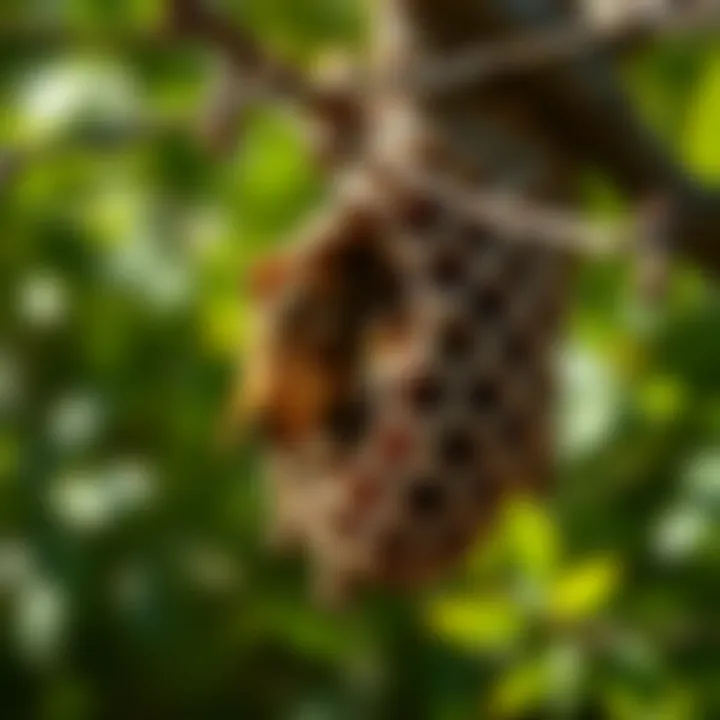
Paper wasps are easily recognized by their distinctive yellow and black coloration and thin bodies. They are known for constructing open nests that resemble an umbrella, often found hanging from eaves or tree branches. These wasps are beneficial in that they help control pest insect populations by preying on them.
A crucial characteristic of paper wasps is their generally non-aggressive nature, which makes them less likely to sting unless provoked. However, a unique feature of their nests, being constructed from chewed wood fibers combined with their saliva, makes them prone to damage from rain. Homeowners must take care when removing these nests, focusing on the timing—early mornings or late evenings when the wasps are less active is ideal.
Yellow Jackets
Yellow jackets are among the most aggressive wasps and are often mistaken for bees due to their black and yellow markings. They build nests underground or in wall cavities, making their presence less visible until a threat arises. What's notable about yellow jackets is their scavenging behavior; they are attracted to human food, especially sugary beverages and meats.
This attraction to food makes them a nuisance at outdoor gatherings. While yellow jackets contribute positively to pest control, their aggressive defense of their nests poses risks to humans, particularly during late summer when their numbers peak. This means that preventive measures to limit their access to food sources are critical.
Hornets
Hornets are a type of social wasp, often larger than other varieties. They are infamous for their painful stings and can be quite territorial. The bald-faced hornet, for instance, is characterized by its white and black appearance and builds large and distinctive, paper-like nests high in trees or shrubs.
Hornets can defend their nests vigorously and exhibit aggressive behavior if their territory is threatened. While they play a role in controlling pest insect populations, their stings can provoke allergic reactions in some individuals. Taking preventative measures, such as monitoring potential nesting sites early on, can help minimize encounters.
In summary, being informed about the various types of wasps and their characteristics can be invaluable. Homeowners can take more effective measures in preventing infestations and managing existing populations when equipped with this knowledge.
Identifying Wasp Nests
Recognizing the presence of wasp nests is a crucial component of any pest management strategy. Identifying nests not only helps in tackling an existing infestation but also in preventing future occurrences. It offers a clear road map for homeowners, highlighting where these pests settle, breed, and pose risks. Without pinpointing the nests, efforts to control wasps may end up being as futile as trying to catch smoke with bare hands.
Being aware of the signs and locations of wasp nests can significantly lower your chances of unpleasant encounters with them, especially as the weather warms up and wasps become more active. This section will clarify the key indicators and structural characteristics of their nests, laying the groundwork for effective management strategies.
Signs of a Wasp Nest
First things first—how do you know if you've got wasp nests in your vicinity? A few signs can point you in the right direction:
- Increased Wasp Activity: One of the more obvious indicators is simply seeing wasps swarming around your outdoor areas, especially during the late afternoon when they are most active.
- Nesting Material: Wasps often gather materials such as wood fibers. If you notice small bits of wood or paper-like material scattered around, it could be a telltale sign.
- Sound: If you’re near a nest, you might hear a faint buzzing noise. It can be unsettling, but it's a good way to identify where they are hiding.
- Actual Nests: Adult wasps often construct nests in areas like tree branches, under eaves, or in abandoned structures. Locating these nests is essential to effectively deal with the problem.
Keeping an eye on these signs will help you track down and deal with these pests before they spiral out of control.
Location and Structure of Nests
Identifying where nests are located can significantly influence your eradication efforts. Knowing whether they are indoors or outdoors can dictate your strategy for removal.
Indoor Nests
Indoor nests can be particularly challenging due to their proximity to your daily life. Wasps tend to favor spots that offer some concealment, such as:
- Attics: Warm and dry, attics can be ideal spots for wasps looking to settle in for the season.
- Characteristics: These nests usually have a paper-like look and can be hidden among insulation or rafters. Their size can vary, but even a small infestation can signal trouble.
- Advantages: Identifying indoor nests early allows for quicker management, reducing the risk of stings within your home.
- Disadvantages: The confined space often makes reaching and disrupting these nests more challenging, warranting careful planning.
Outdoor Nests
Outdoor nests pose their unique set of challenges. Typically found in:
- Trees and Shrubs: Many wasps prefer to build their nests high off the ground, utilizing tree branches and thick bushes.
- Characteristics: Outdoor nests can grow quite large and often resemble a grayish ball or umbrella shape. They tend to be more visible than indoor nests, betraying their location through the activity of coming and going wasps.
- Advantages: It's usually easier to manage outdoor nests without the restrictions of indoor space, allowing for methods like distance removal or traps.
- Disadvantages: Proximity to human activity can still create danger, especially if the nest is disturbed.
In both scenarios, having a clear understanding of the location and structure of wasp nests will guide necessary intervention strategies aimed at ensuring your living space remains wasp-free.
Risks Associated with Wasp Infestations
Understanding the risks associated with wasp infestations is crucial for any homeowner looking to maintain a safe and comfortable living environment. Wasps, while often overlooked, can pose serious health threats and potential property damage. Ignoring an infestation can lead to an escalation of these risks, making prompt action essential. Whether you’re battling small garden nests or a larger population, awareness of these risks can inform your removal and prevention strategies.
Health Hazards of Wasp Stings
Wasp stings are not just painful; they can also be dangerous, especially for individuals who suffer from allergies. The venom injected during a sting can cause reactions ranging from mild discomfort to severe anaphylaxis, a life-threatening condition that requires immediate medical attention. Symptoms of a wasp sting may include:
- Localized pain and swelling
- Itching and redness around the sting site
- Allergic reactions such as hives or difficulty breathing
- Anaphylactic shock, which can occur in hypersensitive individuals, leading to a rapid drop in blood pressure and loss of consciousness
The potential for multiple stings increases the risk, as wasps are known to defend their nests aggressively. For instance, a single yellow jacket can sting multiple times; thus, a nest located near human activities can become a significant hazard.
"It takes just one sting to ruin a picnic. For those allergic, it could mean a trip to the ER."
This health risk underscores the importance of not just removing a wasp nest but also taking comprehensive measures to ensure that future encounters are minimized. Awareness and prompt action can help avoid unwanted surprises during outdoor activities.
Property Damage Risks
Beyond personal safety, wasps can also create significant damage to homes and properties. Their nests, especially when constructed in or around structures, can lead to several forms of damage, including:
- Structural Integrity Issues: Nests often get built within walls or attics. Over time, this can compromise the integrity of the structure, leading to costly repairs or even loss of insulation efficiency.
- Material Degradation: Some types of wasps, like paper wasps, utilize plant fibers mixed with saliva to create their nests. This can lead to wear and tear on wooden surfaces as they gather materials, making your home susceptible to other pests or moisture damage.
- Pest Attraction: Active wasp nests can attract other pests, including rodents, which may then seek refuge in your home, compounding the infestation issue.
Homeowners need to act at the first sign of wasps to prevent these kinds of damage. Regular inspections and timely interventions can save considerable costs in the long run. Additionally, being aware of these risks will help property owners prioritize prevention, reinforcing their home against unwelcome intruders.
In summary, understanding the health hazards and property risks associated with wasps not only helps in crafting an effective removal strategy but also enriches your broader approach to home maintenance and safety. Always weigh these risks before deciding how to handle an infestation.
Preventive Measures Against Wasps
Wasp control often begins before any nests are even built. The importance of preventive measures cannot be overstated. It’s not just about getting rid of wasps once they appear, but also about stopping them from showing up in the first place. Taking proactive steps can save homeowners both hassle and potential injury. By focusing on the environment where you live and maintaining proper home hygiene, you can dramatically reduce the likelihood of wasp presence.
Environmental Modifications
Creating Unfriendly Habitat
Creating an unfriendly habitat for wasps is like putting up a sign saying "Keep Out!" Wasps thrive in areas where they find food, shelter, and water. By altering your environment to make it less appealing, you’re taking a significant step towards preventing wasps. For example, keeping your yard tidy, eliminating standing water, and maintaining your garden can disrupt their nesting habits.
One effective method is to introduce plants that repel wasps, like mint or citronella. This not only makes your garden more pleasant for humans but also less inviting for these pesky insects. It's a beneficial choice because it utilizes nature’s arsenal against wasps without harmful chemicals. However, keep in mind that there’s no magic bullet, and some levels of wasp activity might still occur, especially during late summer when food sources are scarce.
Eliminating Food Sources
Another critical aspect is eliminating food sources. Wasps are drawn to sugary substances and protein-rich foods. If there's an abundance of food, it’s like handing them an open invitation. You can keep your outdoor trash bins sealed, clean up spills and crumbs promptly, and avoid leaving pet food outside.
This strategy is not just a good idea—it's essential for prevention. Particularly during summertime, wasps become more aggressive as they search for food to feed their young. Reducing available food will not only deter them but also help keep any honey bees around, which are beneficial for your garden and the environment. Just remember, while this tactic is effective, it doesn't guarantee complete removal of wasps from your area.
Home Maintenance Strategies
Sealing Entry Points
Home maintenance plays a vital role in preventing wasps from entering your living space. Sealing entry points means identifying and covering up gaps and cracks in your home’s exterior. Look around windows, doors, and even the eaves of your roof for potential vulnerabilities. It’s like fortifying your castle against unwanted invaders. This preventative measure is a smart choice because it not only keeps wasps out but also helps with energy efficiency by preventing drafts.
However, it’s important to regularly check these seals. Weather conditions can wear down materials over time, leaving room for them to wiggle their way inside. Homeowners must be diligent in keeping their homes tightly sealed.
Regular Inspections
Carrying out regular inspections around your property is another proactive step. Think of it as a check-up for your home. You should inspect frequently for new nests or signs of wasps. Early detection can mean the difference between a small inconvenience and a full-blown infestation.
Look for nests in hidden areas like attics, sheds, or tree branches. An ongoing commitment to this type of monitoring demonstrates your dedication to keeping wasps at bay. Also, it’s a smart practice because it can prevent larger pest issues down the line. Be sure to document your findings, as this might inform future adjustments to your strategies.
Regular inspections are like reading the tea leaves; catching potential problems before they escalate is half of the battle.
DIY Methods for Wasp Control
Engaging with DIY methods for wasp control can be a savvy and effective strategy for homeowners. Not only does it provide individuals with the tools to tackle the situation head-on, but it also fosters a sense of empowerment. Delving into these approaches allows us to utilize resources that are often found around the house, cutting down on costs associated with professional services. Additionally, the sense of knowing what’s happening around one’s living space can be reassuring.


While these methods can be effective, it is crucial to approach them with caution. Not every method is suitable for every nest type, and the effectiveness can vary based on the situation. Therefore, it’s critical to stay informed and adaptable in your approach.
Homemade Traps
Creating homemade traps for wasps can be a surprisingly simple yet effective way to reduce their numbers in your vicinity. The concept is rather straightforward: you set up traps that lure wasps in but make escaping nearly impossible.
To craft a basic trap, consider the following steps:
- Obtain a two-liter plastic bottle and cut it into two parts horizontally.
- Fill the bottom half with bait; this can be sugar water, soda, or pieces of fruits.
- Invert the top part, placing it into the bottom half. Secure it with tape, then hang the trap where you notice wasps flying.
This approach allows you to take proactive measures without resorting to harsh chemicals, and it fits well with eco-friendly living. However, keep in mind that trapping alone may not eliminate the nest entirely, which needs further attention.
Natural Repellents
Natural repellents offer a holistic approach to deterring wasps without resorting to chemical-laden products, which can pose risks to other wildlife and pets. Two popular options in this category are essential oils and vinegar solutions, both of which are readily available and easy to use.
Essential Oils
Essential oils are noteworthy in the realm of natural repellents. Certain varieties like peppermint oil and clove oil are known for their wasp-repelling properties. The strong scent can effectively mask the food sources, discouraging wasps from approaching areas scented with these oils.
Key characteristics of essential oils include:
- Potent aromas that wasps find unpleasant
- Easy to apply – a few drops in a diffuser or mixed with water as a spray can work wonders
One unique feature of essential oils is their versatility; they can serve multiple purposes, such as aromatherapy or cleaning. However, keep in mind that they may require frequent application, particularly after rainfall.
Vinegar Solutions
Vinegar solutions, particularly apple cider vinegar, also provide a natural means of repelling wasps. The acidity in vinegar can disrupt their sense of smell and act as a deterrent, making it an excellent choice for homeowners looking for easy solutions.
Key highlights of vinegar solutions include:
- Non-toxic and safe for pets and children
- Simple to use – mix equal parts vinegar and water in a spray bottle
The unique feature of vinegar is its dual role; it can also be used for other cleaning purposes around the home. While it’s beneficial for repelling wasps, the scent might not be pleasant for some people, particularly in enclosed spaces. Nonetheless, the overall benefits deliver a commendable approach to wasp control without severe repercussions on the environment.
Professional Wasp Removal Services
Dealing with wasps can feel like a never-ending battle, especially when they seem to multiply faster than you can get rid of them. This is where professional wasp removal services come into play. These experts specialize in removing wasp infestations safely and effectively, not only helping you reclaim your space but also mitigating the risks that these pests can bring. In this section, we'll explore the critical moments when it's time to call in the pros and how to choose the right pest control service for your needs.
When to Call Professionals
Knowing when to summon professional help is crucial. If you notice an escalating wasp presence, or you're dealing with a nest that is too high or in a tricky location, that’s a clear sign. Particularly concerning is when children or pets are around, as wasps can sting, potentially causing serious allergic reactions. Here are some telltale indicators:
- Size of the Nest: If the nest is larger than a basketball, it’s best to err on the side of caution and seek expertise.
- Frequency of Sightings: Feeling like you're going toe-to-toe with a swarm every time you step out? Time to call the cavalry.
- Nest Location: Nests tucked away in attics or under eaves can be hard to reach without proper equipment and knowledge. Rather than risking an encounter, call a pro.
A general rule of thumb: if your instinct is telling you that you're in over your head, it's perfectly fine to reach out for help.
Choosing a Reliable Pest Control Service
Finding a trustworthy pest control service can be a daunting task, considering the many options available. Not all companies are created equal. When selecting a service, focus on the following elements:
Evaluating Credentials
When choosing a pest control service, one of the key aspects is evaluating their credentials. This involves checking whether the company is licensed and insured, which reflects their professionalism and adherence to safety regulations. A reputable company will proudly display this information, offering peace of mind to customers.
Additionally, it's essential to consider how long the company has been in the business. An experienced service can better diagnose and manage infestations. Though this doesn’t mean newer companies can’t perform well, experience often correlates with more comprehensive knowledge and practical skills, thereby leading to more effective results. Being cautious of companies that promise unrealistic outcomes is wise; a good service will lay out realistic expectations and tailor solutions to specific situations.
Understanding Methods Used
Equally important is understanding the methods used by the pest control service. Different companies utilize varying techniques to handle wasp infestations, and recognizing these methods can reveal much about their efficacy. Some may rely on chemical treatments, while others prefer more environmentally-responsible approaches. It’s beneficial to look for services that offer integrated pest management, combining biological, mechanical, and chemical methods to minimize risks whilst effectively managing the wasp population.
All in all, a reputable pest control service will be transparent about their methods and open to discussing any concerns you may have. This approach builds trust and ensures that you're informed about the choices being made regarding your property and family’s safety.
Always shoot for a pest control service that is as clear as glass about their tactics and intentions. This kind of openness is a go-getter’s sign of commitment to customer satisfaction.
Wasp Removal Safety Considerations
When tackling a wasp problem, safety should be at the forefront of every homeowner’s mind. These insects may appear small, but they pack a punch when it comes to their defense mechanisms. Understanding safety considerations can significantly reduce the risk of stings and ensure you have a successful removal experience.
Let’s explore the critical aspects of wasp removal that can aid not just in effectiveness but also in safeguarding you and your loved ones.


Protective Gear Required
If you plan to engage with wasps or their nests, investing in protective gear isn’t just a good idea; it’s a necessity. Think of it like going into battle. Just as a knight wouldn’t face a dragon without armor, you shouldn’t face wasps without proper protection.
Here are some essential items to consider:
- Bee Suits: These are usually made of thick fabric and feature netting for your face. They protect your entire body from stings.
- Gloves: Thick gloves are crucial, as wasps can sting through thin fabric.
- Face Shields or Masks: Alongside the bee suit, these help keep your face protected. Consider using a helmet with a mesh face shield.
Wearing this gear not only minimizes the chance of being stung but also gives you confidence during the removal process. Once you're dressed for the occasion, you're less likely to act rashly and more likely to execute your plan methodically.
Safe Removal Practices
Using safe practices when dealing with wasps can make all the difference. Many people assume that aggressive actions will yield quicker results. In reality, they may just aggravate the situation.
Timing and Weather Considerations
Timing is everything when it comes to wasp removal. Early morning or late evening hours are typically best for tackling nests because the wasps are less active during these times. The cooler temperatures slow down their movement, making them easier to manage. Moreover, choosing days that are windy can also work to your advantage because it masks your noise and the scent of any repellents you may be using.
The unique aspect of timing lies in its potential for minimizing confrontation. Wasps tend to be more aggressive during the day when the temperature rises, so managing removal during off-peak hours not only decreases your chances of being stung but also provides a more effective approach.
Beware, though. Stormy or rainy weather can increase aggression, so it’s best to steer clear of those days. Always remain mindful of nature’s signals—this could save you a lot of hassle.
Distance and Equipment Handling
Maintaining a safe distance from the nest is an essential part of your approach. You may think that getting close will help you deliver a faster solution, but the opposite is often true. Stepping back can allow you to assess the situation without drawing attention to yourself. Positioning yourself further away gives you the advantage of observing wasp behavior without becoming a target.
Moreover, understanding how to handle equipment properly, like sprays or traps, is just as crucial. When using sprays, aim for long-range options that let you stay at a distance. This way, you can effectively rid yourself of wasps without putting yourself in harm's way. Hands-on guidance can be found from resources like OSU Extension.
Long-Term Management of Wasp Populations
Effectively managing wasp populations should not just be a one-time exercise but rather a continuous effort. Homeowners who want a permanent solution must adopt a long-term approach. This means regularly monitoring, adjusting control strategies, and understanding the natural behaviors of wasps. By nurturing an ongoing relationship with their environment, individuals can greatly minimize the chances of a wasp infestation recurring.
One key benefit of long-term management is the proactive stance it takes. Instead of waiting for wasps to become a nuisance, homeowners can anticipate and address potential issues before they escalate. The decisions made during this phase directly influence the sustainability of a wasp-free home.
Ongoing Monitoring Techniques
To stay ahead of any potential wasp issues, ongoing monitoring is essential. This involves routinely inspecting your property, especially during the warmer months when wasps are most active. Simple measures like walking around your home and backyard can uncover early signs of wasp activity. Pay attention to any increased insect presence, as wasps often indicate larger problems nearby.
Utilizing trap devices to catch wasps before they build nests works well. Regular visual checks of these traps can indicate population changes and reveal if adjustments are necessary.
Adjusting Control Strategies
Managing wasps effectively requires flexibility in strategies. As populations shift, adapting control methods can mean the difference between success and failure.
Seasonal Adjustments
Seasonal adjustments are an undeniable necessity in wasp management. The behavior of wasps fluctuates with the seasons, meaning what worked in one month might not work in the next. For instance, early spring is their nesting season, while late summer often sees them scavenging for food. The key characteristic here is recognizing these patterns.
Ignoring the seasonality of wasps can lead to ineffective control efforts, ensuring wasps linger longer than wanted.
Managing your yard and modifying food sources during these specific periods can help. For example, during late summer, ensure that any fruit trees are regularly cleared of fallen fruit, since this becomes a feast for wasps. Such seasonal tweaks can build a stronger barrier against these pests.
Behavioral Observations
Understanding wasp behavior is just as critical as environmental changes. Observing their flight patterns and nesting habits provides insight into their life cycles. A unique feature of behavioral observations is that they allow homeowners to foresee when wasps might be more aggressive or active.
By knowing when these insects tend to be more territorial, you can avoid unnecessary encounters. For instance, if you notice more wasps buzzing around a certain part of the yard, it might indicate a nest nearby, prompting you to take action before the problem escalates.
These insights into wasp behaviors not only prevent infestations but also foster respect for their role in the ecosystem, allowing homeowners to manage pests with a thoughtful approach.
In summary, common wasp issues can be managed through regular monitoring and adjustments based on seasonal and behavioral observations, thus establishing a more sustainable approach to keeping your home wasp-free.
Concluding Thoughts
In this guide, we have taken a deep dive into confronting wasp populations. Understanding wasps is crucial for anyone interested in maintaining a safe, peaceful environment at home. Recognizing their behaviors, knowing how to identify their nests, and implementing effective removal and prevention strategies are all part of the puzzle. Ignoring wasps can lead to health risks or property damage, but dealing with them requires a balanced approach that respects the ecological roles they play.
Summary of Effective Strategies
To effectively manage wasps, homeowners should adopt a multifaceted strategy:
- Identifying Wasp Types: Familiarize yourself with the common types of wasps in your area, such as paper wasps, yellow jackets, and hornets. Understanding their nesting habits and behavior can aid in your control efforts.
- Preventive Measures: Create an environment that is less welcoming for wasps. This could include sealing gaps in your home, removing food sources, and regular inspections of potential nesting sites.
- DIY Control Methods: Explore natural repellents like essential oils or vinegar solutions. You can also construct traps using simple household items.
- Professional Help: If the infestation is beyond DIY efforts, don't hesitate to contact professional pest control services that can ensure a more thorough removal.
- Ongoing Monitoring: Always keep an eye on any signs of wasps returning. Seasonal adjustments to your strategies will ensure continuous management.
The Balance Between Pest Control and Ecological Respect
While it’s essential to manage wasp populations, it is equally important to remember that these creatures have their place in the ecosystem. Wasps contribute to pest control by preying on insects that may damage your plants or crops. They are also pollinators, albeit less well-known than bees. Therefore, the objective should not be complete eradication but rather effective population management.
By focusing on sustainable techniques, such as promoting natural predators and minimizing artificial pesticides, homeowners can find a harmonious balance. Respecting the role of wasps and mitigating risks can lead to a safer home without compromising the health of local ecosystems.