Effective Strategies for Cockroach Control After Treatment


Intro
Cockroaches can be the bane of any household, slipping in unnoticed and wreaking havoc beneath the surface. Once the pest control agents have done their job, many homeowners might breathe a sigh of relief, but the work doesn't stop there. Understanding what steps to take post-treatment is crucial for ensuring a lasting impact. The aim of this article is to equip you with a roadmap to navigate the aftermath of cockroach extermination effectively, emphasizing preventive measures, monitoring, and the necessity of an impeccably clean environment. What follows will not be a mere checklist but an insightful exploration into the behaviors of these resilient pests and viable strategies to ensure your peace of mind.
Pest Identification
Detailed Descriptions of Common Pests
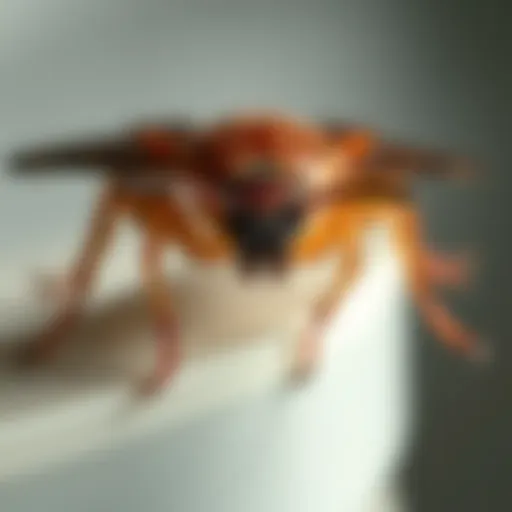
When dealing with cockroaches, it's essential to be acquainted with the various species that might invade your space. The American cockroach is one of the largest, reaching up to three inches in length. It often thrives in warm, moist environments, such as basements and kitchens. Then there’s the German cockroach, significantly smaller and known for its fast reproductive rate. It typically hides in cracks and crevices but can sometimes be spotted scurrying across countertops.
Signs and Symptoms of Infestations
Recognizing the signs of a cockroach infestation isn’t rocket science, but it does require a keen eye. Look for small droppings that resemble coffee grounds in kitchen cabinets or beneath appliances. A musty odor can also hint at a larger problem, particularly if you notice shed skins or carcasses lying around. Act quickly—if you can map out their trail, you’ll be one step closer to blocking their path back into your home.
Prevention Strategies
Home Maintenance Tips for Pest Prevention
Maintaining your home can be the best defense against cockroaches returning. Start by sealing up any cracks, especially around windows and doors. Pay special attention to plumbing and electrical entry points as well. Regularly clean out your kitchen—crumbs are an open invitation, so keeping surfaces spotless is non-negotiable. Also, store food in airtight containers and dispose of garbage in a timely manner to minimize attractants.
Natural Deterrents and Barriers
If you’re into natural solutions, consider using essential oils like peppermint or tea tree oil. Spraying a mixture of water and these oils in areas where you suspect cockroaches might enter can serve as a deterrent. Additionally, diatomaceous earth can be an effective barrier; it’s safe for humans and pets while being deadly for insects when ingested.
Treatment Options
Overview of Chemical vs. Natural Treatments
From insecticides to diatomaceous earth, treatment options abound. Chemical treatments might provide rapid results, but they can sometimes make a home feel like a war zone. On the other hand, natural treatments require more time and persistence but offer a safer environment for your family and pets.
Step-by-step Guides for DIY Treatments
For a do-it-yourself approach, start by mixing equal parts of sugar and baking soda. Place this concoction in strategic locations around your home; when the cockroaches consume it, the baking soda reacts with their stomach acid, effectively eliminating them. Another method consists of a boric acid mixture: combine boric acid, sugar, and warm water until a paste forms, then apply it in small amounts where you suspect cockroach activity.
"Prevention is better than cure. Taking steps post-extermination can save you trouble down the line." – Anonymous
Understanding Cockroach Behavior
Understanding the behavior of cockroaches is pivotal in refining post-treatment strategies. Such insights not only inform how to mitigate the effects of current infestations but also foster preventive measures for the future. Cockroaches are resilient creatures, capable of adapting to a variety of environments, and their survival instincts are robust. A closer examination of their behaviors can unearth critical information that aids in shaping effective pest control solutions. This understanding can lead to improved treatment efficacy and ultimately result in achieving a pest-free home.
Life Cycle of Cockroaches
Cockroaches have a life cycle that is often divided into three stages: the egg, nymph, and adult phases. The initial stage begins when the female cockroach, once mated, lays eggs encased in a protective structure called an ootheca. Depending on the species, one female can produce several oothecae, each containing dozens of eggs. The nimphs emerge from the eggs after a couple of weeks. These nymphs look somewhat like miniature adults but lack wings. They molt multiple times before reaching adulthood, typically within a few months. It's crucial to comprehend this life cycle because understanding the timings can help in targeting treatments effectively, ensuring that the nymphal stages, which can also be a source of infestation, are addressed.
Common Habitats in Homes
Cockroaches are known for their adaptability which allows them to thrive in a range of environments. In homes, they are commonly found in kitchens and bathrooms, where moisture and food are abundant. They often seek shelter in warm, dark places such as beneath sinks, behind appliances like refrigerators, and inside cabinets. Additionally, cockroaches can inhabit areas that are less frequently disturbed, for example, basements or attics. Recognizing these hotspots is vital for effective monitoring and subsequent treatment, as it highlights where the problem is most likely to fester. A thorough inspection of these areas can reveal signs of infestation that may otherwise go unnoticed.
Factors Contributing to Infestation
Several factors contribute to the likelihood of a cockroach infestation. First and foremost is the presence of food sources; cockroaches are opportunistic feeders. Leftover food, crumbs, and open containers can attract them. Additionally, excess moisture from leaks or poor ventilation can create an inviting environment. Clutter also plays a role, as it provides ample hiding spots. Another key factor is the structure of the home itself — cracks, gaps, and openings around doors or windows can serve as entry points for these pests. By addressing these contributing elements, you can significantly reduce the chances of an infestation taking hold.
To prevent cockroach infestations effectively, it is essential to understand the factors that attract them to your home. Whether it's food, water, or shelter, understanding these essentials aids in establishing a robust defense against them.
Involving yourself actively in these aspects after pest control is imperative. By maintaining cleanup efforts, removing potential food sources, and sealing entry points, you further reinforce the effects of the treatment and create an environment that is unfavorable for cockroaches.
Evaluating Treatment Efficacy
Assessing the effectiveness of pest control treatments for cockroaches is a crucial step in ensuring long-term results. Evaluating treatment efficacy isn't just about seeing what dead roaches remain; it involves a comprehensive understanding of the overall situation, making it pivotal for homeowners looking to maintain a pest-free environment. With various methods available for treating infestations, it's essential to analyze which strategies worked best and which may require additional attention. This evaluation provides insights into both the success of the treatment and potential changes needed moving forward.
Immediate Aftermath of Treatment
Directly after a treatment, the immediate surroundings can present various signs to observe. Some homeowners might experience a temporary uptick in cockroach activity. This phenomenon might seem counterintuitive, but it’s not uncommon. Freshly deployed treatments often cause roaches to wander away from their usual hiding spots in search of less inhospitable environments.
In these initial days, recording any sightings is important. Having a log in place helps spot trends in behavior post-treatment. Moreover, expect some residual chemical presence and keep areas well ventilated. It’s typically wise to refrain from cleaning the treated surfaces for a short while to allow the chemicals to work effectively.

Signs of Treatment Success
Identifying signs that treatment is working can significantly reduce anxiety over ongoing infestations. Some key indicators include:
- A noticeable decrease in cockroach sightings over time.
- Evidence of dead roaches in the immediate vicinity where treatments were applied.
- The absence of new droppings or shed skins.
These signs reveal that any existing population is being sufficiently impacted and that the treatment is effectively disrupting their life cycle. Furthermore, homeowners can also engage in a bit of detective work. Setting up monitoring traps in various areas can harvest valuable data on cockroach activity levels.
Understanding Residual Effects
Once initial signs of effectiveness are evident, it’s crucial to grasp the residual effects of treatments. Many substances used to combat cockroach infestations have lasting impacts that can continue to suppress future populations. However, not all treatments have the same longevity.
Some common residual effects include:
- Chemicals that remain active for weeks or even months, capable of killing newly entering cockroaches.
- The ability of some treatments to disrupt the reproductive cycles of cockroaches, ultimately preventing future infestations.
However, it’s crucial to monitor these residual effects carefully. Over time, roaches can develop resistance to certain treatments, underscoring the need for variability in approach rather than relying on a single solution.
"Understanding and evaluating treatment efficacy not only brings peace of mind but also marks the path to effective prevention strategies in the future."
By keeping a finger on the pulse of residual efficacy, homeowners can better anticipate future needs and act proactively to stave off any potential infestations.
Post-Treatment Monitoring
Post-treatment monitoring is an essential component in the overall strategy to combat cockroach infestations effectively. Once a treatment has been administered, it’s not simply a matter of crossing one’s fingers and hoping for the best. The reality is that cockroaches are persistent creatures, and it’s crucial to implement a strategy that allows us to ensure that any intervention has been successful. Effective monitoring not only helps in assessing the immediate effects of treatments but also aids in identifying any resurgence of these pests. By adopting a proactive approach, homeowners can create an environment that minimizes the chances of future infestations.
Setting Up Monitoring Stations
Setting up monitoring stations can be a game changer in tracking cockroach activity post-treatment. These stations serve as traps or observation points that provide insights into whether the cockroach population is dwindling or if they are still around. Rather than randomly guessing the extent of the problem, monitoring stations allow for targeted observation.
These stations can be strategically placed in areas previously identified as problem zones, such as under sinks or behind appliances. Using bait stations can not only attract remaining cockroaches but also help gauge their volume. It's like having an alert system that notifies you if they are creeping back into your space. Well-placed monitors can lead to early detection, allowing for timely remediation before a small problem grows into a larger headache.
Conducting Regular Inspections
Frequency of Inspections
When it comes to inspections post-treatment, frequency is key. Regular check-ups should ideally be conducted weekly right after treatment. This consistent pattern fosters a vigilant approach that can help in catching any lingering or re-emerging issues.
Increasing inspection intervals can be tempting as one may feel confident after treatment; however, the true test lies in maintaining rigorous monitoring despite a perceived calm. It’s not uncommon for cockroaches to remain hidden, silently multiplying. Regular inspections ensure that no signs of activity go unnoticed. This method is a favored option for many homeowners since it fosters an atmosphere of vigilance, much like a regular health check-up can prevent potential illnesses down the line.
Signs to Look For
Recognizing signs of cockroach activity boosts the effectiveness of your post-treatment strategy. You need to be observant. Look out for droppings, which often appear as tiny black pepper-like specks commonly found in corners or under furniture. Other indicators include egg cases, which have a distinctive oval shape and can be spotted in hidden areas. If you come across these signs, they serve as a wake-up call.
A key characteristic of these signs is their ability to inform you about the nature of your infestation. If droppings are seen in greater numbers or if you notice new egg cases, it’s a clear indication that not only are these pests still present, but they might also be thriving. Understanding these signs allows you to react promptly—either by boosting your cleaning efforts or considering additional treatments. Monitoring results can be more reliable when there’s a clear checklist you can consult during inspections.
Interpreting Monitoring Results
Interpreting results from monitoring efforts requires a level of discernment and analytical thinking. It’s not merely about counting how many traps have caught cockroaches; it’s a deeper investigation into the overall dynamics at play. For instance, fewer catches over time might indicate that treatment has been effective. Conversely, an uptick in activity can signal that baits aren’t effective, or the infestation was more pronounced than initially thought.
Taking notes on catch rates and inspection findings can help analyze trends. What patterns emerge in the data? Are certain areas proving more problematic than others? This step is crucial because it can guide subsequent actions, whether they involve changing bait types, enhancing sanitation measures, or consulting professionals.
"A stitch in time saves nine" is particularly apt; staying vigilant with monitoring could save you from a larger scale problem down the road.
Implementing Preventative Strategies
Taking extensive measures to prevent cockroaches from invading your space again is an essential part of maintaining a pest-free home. Even after a thorough treatment, if preventative strategies are not put in place, these stubborn insects could easily come back, finding new pathways into your environment. The impact of these strategies is far-reaching; they don’t just keep out roaches, but also ensure a comprehensive approach to maintaining overall household hygiene.
Maintaining Cleanliness
A clean home is your first line of defense against cockroaches. Roaches love the dirty and disheveled environments where food crumbs and clutter provide them cover. By implementing a strict cleaning routine, you can effectively reduce attraction and harborage for these pests.
- Wipe surfaces regularly: Make it a habit to wipe down counters and tables after every meal. Use soapy water to clean crumbs and spills to eliminate any potential food sources.
- Vacuum regularly: Not only should you vacuum visible crumbs, but think about those sneaky bits that fall beneath the fridge or stove.
- Take out the trash: Don’t let waste pile up; take out garbage daily, and keep bins tightly sealed.
"A clean house doesn't just look good; it actually deters dirt and pests alike."


Proper Food Storage Practices
The way you store your food can either aid or hinder your goal of keeping cockroaches at bay. Ensure food items are stored properly, limiting access for these pests.
- Use airtight containers: Store all food products, especially grains, snacks, and pet food, in airtight and sturdy containers to block off any potential snacks for cockroaches.
- Keep the pantry organized: Regularly checking your pantry to get rid of expired items can also clear potential food sources. Make sure any packaging is intact and without holes.
- Avoid leaving dishes in the sink: Dishes can easily attract pests, especially if food remnants are left behind. Wash dishes promptly and store them securely.
Sealing Entry Points
Cockroaches are masters at squeezing through the tiniest of gaps. Sealing any potential entry points will contribute significantly to your preventative strategy.
- Inspect for cracks and holes: Check exterior walls, foundations, around windows, and doors for cracks or holes. Even gaps as small as a quarter of an inch should be addressed.
- Use caulk or foam: Fill identified gaps with caulk or expandable foam to create a barrier that pests cannot penetrate.
- Install door sweeps: Ensure doors have sweeps or weather stripping to prevent roaches from finding their way in.
By weaving these preventative strategies into your daily routines and home care practices, you build a fortress against re-infestations. Staying vigilant and making cleanliness a priority can save headaches down the road, allowing a roach-free home.
Addressing Future Infestations
Addressing future infestations is crucial for homeowners and renters alike who wish to reclaim their living environments from the prying antennae of cockroaches. This section explores how to spot the signs of a resurgence, actions one should take immediately, and when it's wise to call in the cavalry—professional pest control. The aim here is to provide a strategic framework that not only focuses on remedying the problem but also ensuring it doesn't return often.
Cockroaches are notorious for their resilience. While your efforts to eliminate them may have proven effective temporarily, without the right monitoring practices, they could reappear faster than you can say "pest control." So, getting a grip on how to address future infestations is not just a good idea—it's essential for maintaining a pest-free home long-term.
Recognizing Early Signs
Early identification of cockroach activity can save time, money, and sanity. Familiarizing yourself with the signs that these uninvited guests are making themselves at home again is your first line of defense.
Some key indicators to keep an eye on include:
- Droppings: These can appear as small, dark granules, often found in kitchens or along walls where cockroaches tend to navigate.
- Molted Shells: As cockroaches grow, they shed their skins. Finding these sheds is a sure sign you're not alone.
- Egg Cases: The little brown casings may go unnoticed but signal a significant problem if discovered.
- Bizarre Odors: If you start to smell a damp, musty aroma, it could be something else, or it could signal cockroaches proliferating in hidden areas.
To keep tabs on these signs, it’s wise to make a simple checklist for daily or weekly inspections around your home.
Responsive Actions to Take
If you find yourself noticing these troublesome signs, jumping into action quickly can curb a full-blown infestation. Here’s what you can do:
- Secure Food Sources: Remove food and water that cockroaches love. Store food in sealed containers and wipe down surfaces to get rid of crumbs.
- Seal Hiding Places: Inspect for cracks or gaps where cockroaches can enter. Seal these with caulk or another appropriate material.
- Use Monitoring Devices: Consider using sticky traps or other monitoring systems to gauge the levels of cockroach activity in your home. This can give you real-time feedback on whether you have an ongoing problem or if your efforts are paying off.
Taking action not only removes immediate threats but also shows that you’re serious about keeping these pests at bay.
When to Consult Professionals
Not all battles can be fought alone, and sometimes, consultation with pest control experts is the best recourse.
Identifying Severity
Understanding the severity of an infestation is paramount before deciding on next steps. Here are some guiding questions:
- How many droppings and shed skins have you found?
- Are there living roaches visible during the day?
- Is the smell stronger than before?
A severe infestation, marked by numerous sightings and significant droppings, generally means do-it-yourself methods may not suffice. Consulting professionals can provide insights tailored to the specific severity of your situation, often backed by years of experience and expertise.
Choosing a Pest Control Service
Opting for a pest control service introduces specialized tactics that laypeople might not be familiar with. Look for a service that:
- Is licensed and insured: This safeguards you from liabilities.
- Offers guarantees: Knowing that they will return if the issues persist adds peace of mind.
- Uses Integrated Pest Management (IPM): This approach focuses on long-term prevention and control, rather than one-time solutions.
When meeting with potential services, ask questions about their methods and ensure they align with your home’s needs and your values regarding pest control. The right pest control service not only mitigates immediate problems but educates you on how to maintain a roach-free future.
"The best approach against cockroaches is not just about fighting them; it’s about educating yourself on how to keep your home their least favorite place to be."
By recognizing early signs, implementing quick responses, and knowing when to call in professionals, you're well on your way to addressing future infestations. Stay vigilant, and your efforts will likely pay off.
Utilizing Technology for Monitor and Control
In today’s fast-paced world, technology plays an integral role in ensuring our homes remain pest-free. Cockroaches, notorious for their resilience, demand consistent vigilance, and the use of technology can significantly enhance monitoring and control strategies. By leveraging the latest innovations, homeowners can not only respond more swiftly to any potential infestations but also create a preventive landscape that minimizes the risk of recurrence. This section explores how technology offers robust and efficient solutions for monitoring and controlling cockroach activity.


Smart Traps and Sensors
Smart traps and sensors represent the cutting edge of pest management. Unlike traditional traps, which merely capture these pests, smart devices provide real-time data on cockroach activity. For instance, these traps often have Wi-Fi connectivity, alerting homeowners via smartphone notifications when a cockroach is caught. This immediate feedback loop allows for prompt action, which is crucial in managing an infestation.
- Benefits:
- Real-time Monitoring: Homeowners can receive alerts without needing to check traps manually.
- Data Collection: Some smart traps compile data over time, helping users identify patterns in cockroach activity.
- Enhanced Effectiveness: By knowing which areas are most affected, targeted strategies can be employed.
One popular smart trap brand is the Victor M240, known for its effectiveness in capturing a variety of pests, including cockroaches. With such advancements, the days of setting and forgetting are long gone; we're in an era of proactive pest control.
Apps for Monitoring Pest Activity
With smartphones becoming ubiquitous, pest control apps have emerged as a practical tool for homeowners. These applications facilitate easy tracking of pest activity and provide timely reminders for inspection checks. Some apps even allow users to input findings, making it easier to develop a comprehensive pest management plan.
- Key Features Include:
- Activity Log: Users can record when and where cockroaches have been sighted.
- Expert Advice: Many apps feature resources and tips for effective pest management.
- Integration with Devices: Some apps can connect with smart traps for an all-in-one monitoring solution.
For example, the Pest Control PRO app offers excellent features that enable users to analyze trends and patterns, making it easier to predict when intervention might be needed.
Integrating Into Home Automation Systems
As smart homes become the norm, integrating pest control solutions into a home automation system can be a game changer. Automation allows for a unified approach where different systems work together harmoniously. Imagine setting up a system where your smart traps notify your home management app, which then triggers additional notifications to your smartphone or lights to alert you when cockroach activity is detected.
- Advantages of Integration:
- Seamless Operation: Homeowners can monitor pest activity alongside other home automation features, like security and energy management.
- Centralized Control: With a single app, users can manage everything from climate control to pest control, simplifying the overall management process.
- Resource Efficiency: Automated systems can reduce the need for excess pest control chemicals, promoting a more environmentally friendly approach.
Incorporating these technologies not only improves the effectiveness of monitoring but also enhances the homeowner's experience by providing peace of mind and convenience.
"As technology evolves, so do the strategies to deal with persistent pests like cockroaches, proving that success often lies in adaptation and embracing new solutions."
Regulatory Considerations
Understanding the regulatory landscape surrounding pest control is vital for any homeowner or pest management professional. Regulations on pest control help ensure that treatments are carried out safely and effectively, minimizing risks to people and the environment. Navigating these regulations, especially concerning cockroaches, can greatly impact the success of your pest control efforts, protecting both your home and community.
Local Ordinances on Pest Control
Each locale has its own set of regulations to govern how pesticide treatments can be applied. These local ordinances may dictate the types of chemicals that can be employed and when or how they should be applied. For instance, some municipalities may prohibit certain toxic substances, urging the use of safer alternatives. Compliance with these laws not only helps in prioritizing the safety of your family but also limits potential legal issues.
- Research Local Regulations: Start by consulting your local government website or public health department to understand specific requirements and restrictions. Failure to comply can result in fines or other penalties.
- Documentation: Ensure that any pest control company you engage with is licensed and operates within the legal frameworks established in your region. Request to see their credentials as verification.
"Understanding local ordinances not only keeps your home safe but fosters a healthier community by promoting responsible pest control practices.”
Street-wise homeowners might even want to join neighborhood forums or community groups to stay informed about any updates or changes in regulations related to pest control. Engaging with others can also provide a platform for exchanging experiences and effective strategies.
Safe Chemical Usage Guidelines
When it comes to using chemicals for pest control, adhering to established safety guidelines is imperative. These guidelines exist to minimize human and environmental exposure to toxic substances.
- Read Labels: Always familiarize yourself with the instruction labels of any pest control product. These labels provide crucial information regarding safe usage, application rates, and protective measures to be taken during handling.
- Preferred Practices: When applying pest control methods:
- Disposal of Chemicals: It's important to dispose of leftover chemicals properly. Many communities offer hazardous waste disposal days where you can safely discard unused pesticides.
- Wear safety gear such as gloves and masks.
- Ensure proper ventilation in the area being treated.
- Follow the suggested re-entry times specified on the label to ensure safety after treatment.
Combining an understanding of local ordinances with best practices for chemical usage forms a strong foundation for responsible pest control. Staying informed and proactive protects not just your home, but also contributes to safer communities overall.
Ending
After a thorough examination of the steps and considerations following pest control interventions for cockroaches, it becomes clear that the job doesn't end with a treatment. Indeed, the approach to cockroach management is not merely about eradication but involves a comprehensive set of strategies that, when harnessed effectively, can lead to lasting success in maintaining a pest-free home.
Review of Key Strategies
In summarizing the key strategies discussed, homeowners should focus on a multi-pronged approach. This involves:
- Post-Treatment Monitoring: Regular checks using strategically placed monitoring stations can help detect any renewed activity early on.
- Preventative Measures: Keeping environments clean, sealing points of entry, and ensuring proper food storage significantly reduce the chances of a reinfestation.
- Utilizing Technology: Smart traps or pest monitoring apps can provide advanced notification of pest activity, leading to quick responses if needed.
By embracing these strategies, one can effectively tackle not only an immediate cockroach issue but also fortify their home against future invasions. The collective effort transforms the process from reactive to proactive, positioning homeowners as informed and active participants in the maintenance of their living spaces.
The Importance of Vigilance
Vigilance in pest management cannot be understated. It’s akin to continually tending to a garden; a slip can allow weeds—here, cockroaches—to take root. Therefore, it's essential for homeowners to remain attentive to signs of infestation long after treatments are applied. Regular inspections should become a habit, not a chore. This persistence fosters an environment where pests are less likely to make a comeback.